Whale Shark Citizen Science
Since 2003, researchers at the University of Southern Mississippi (USM) have maintained a Gulf of Mexico whale shark sighting database. Wildpath is partnering with a whale shark research team, including researchers from USM, Blue World Research Institute, NOAA Fisheries, and the Bureau of Ocean Energy Management to expand photo identification efforts and satellite tagging projects that help track individual whale sharks throughout the Gulf.
With your help, every whale shark sighting will allow scientists to better understand where these gentle giants travel, and how best to protect them.
Before you submit, include:
- Date of the encounter
- Location (GPS if available)
- Estimated number of whale sharks
- Photos or video
- Notes about behavior
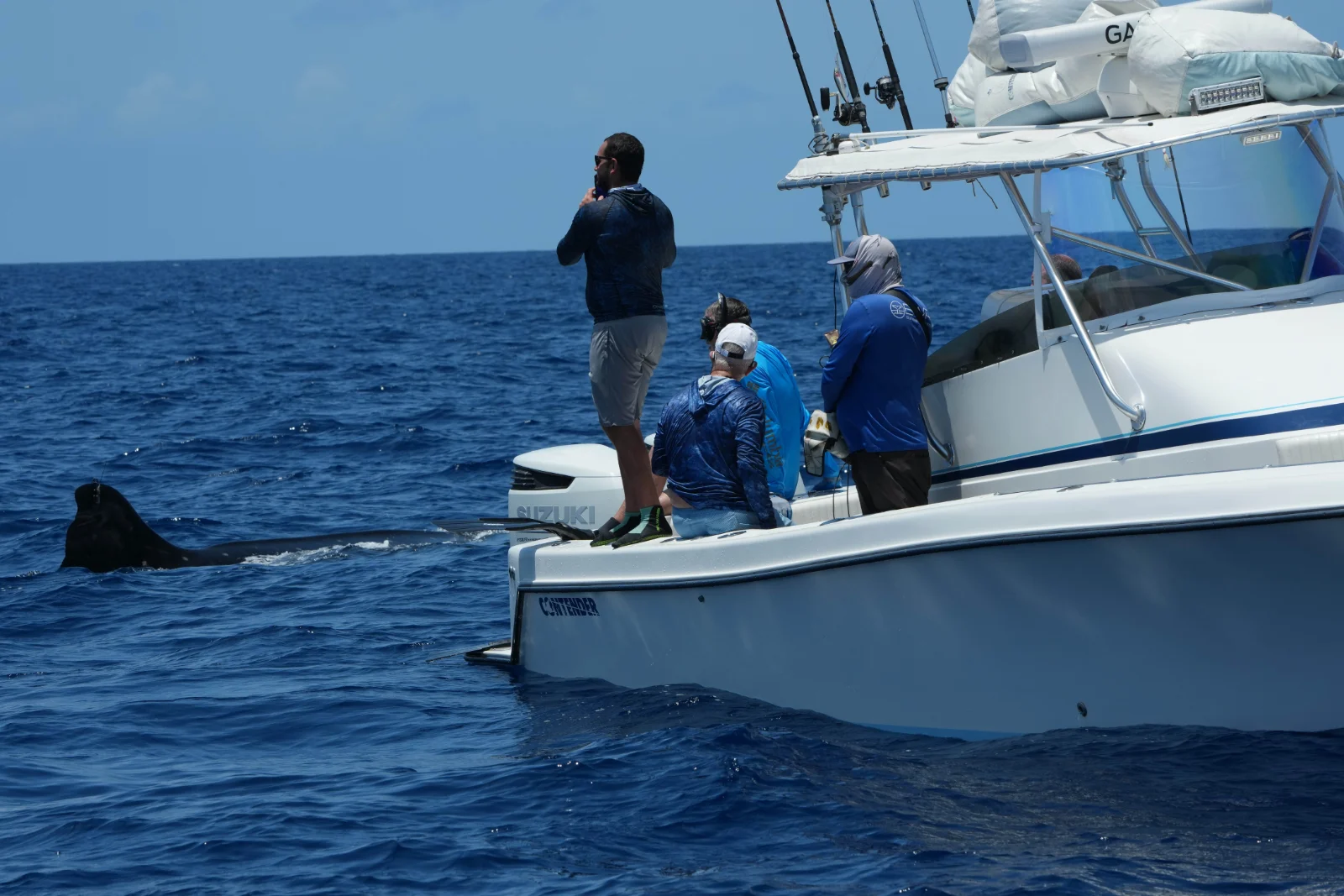
Photo Identification Guide
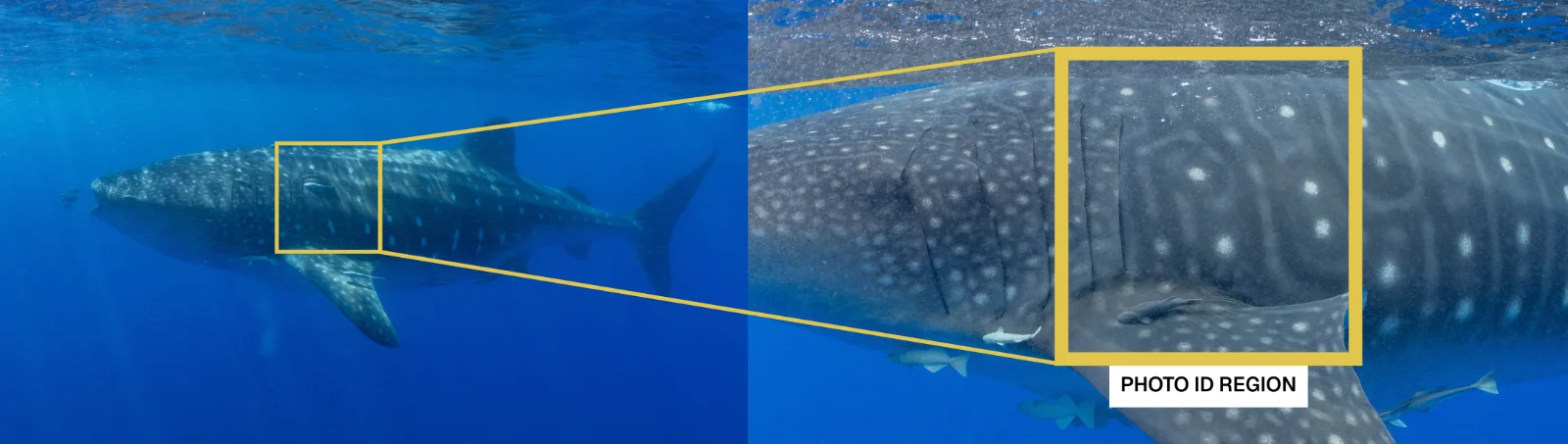
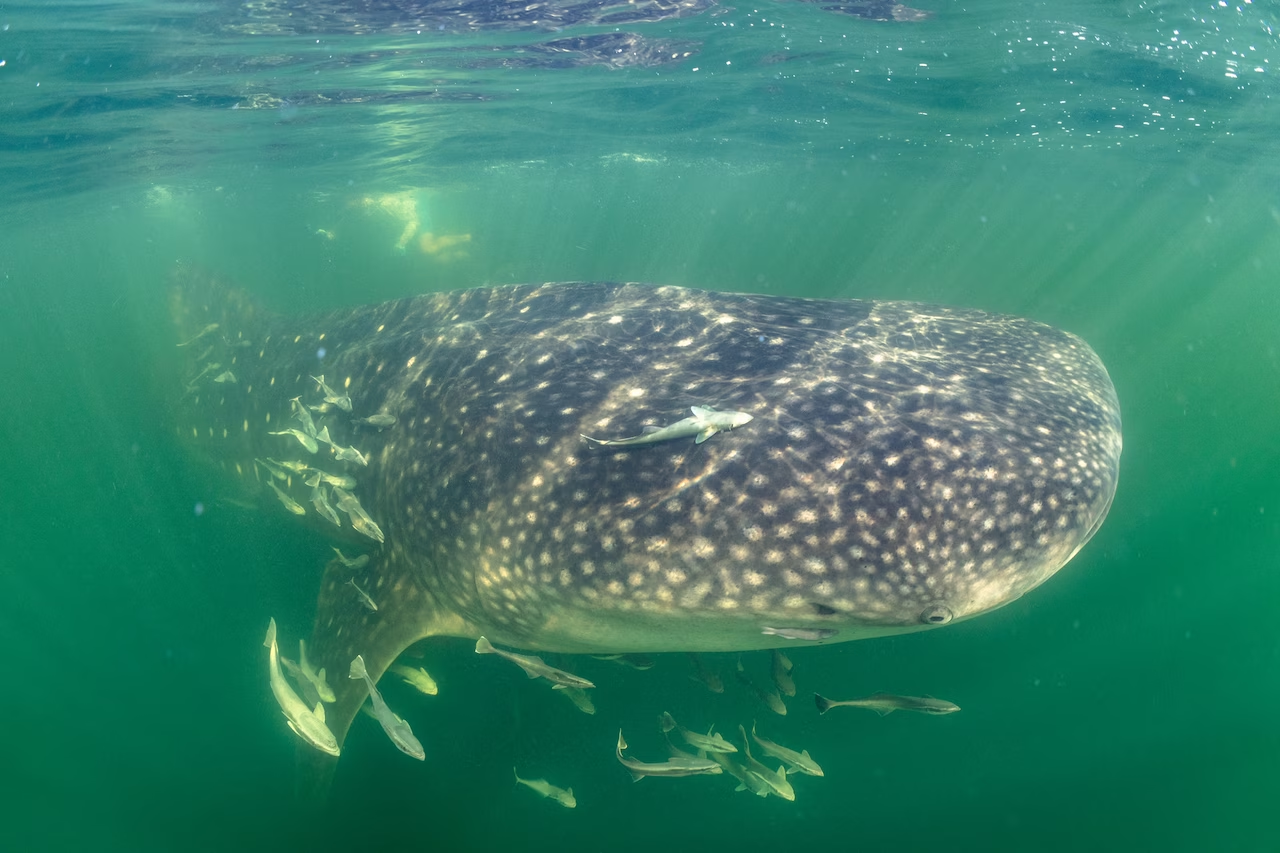
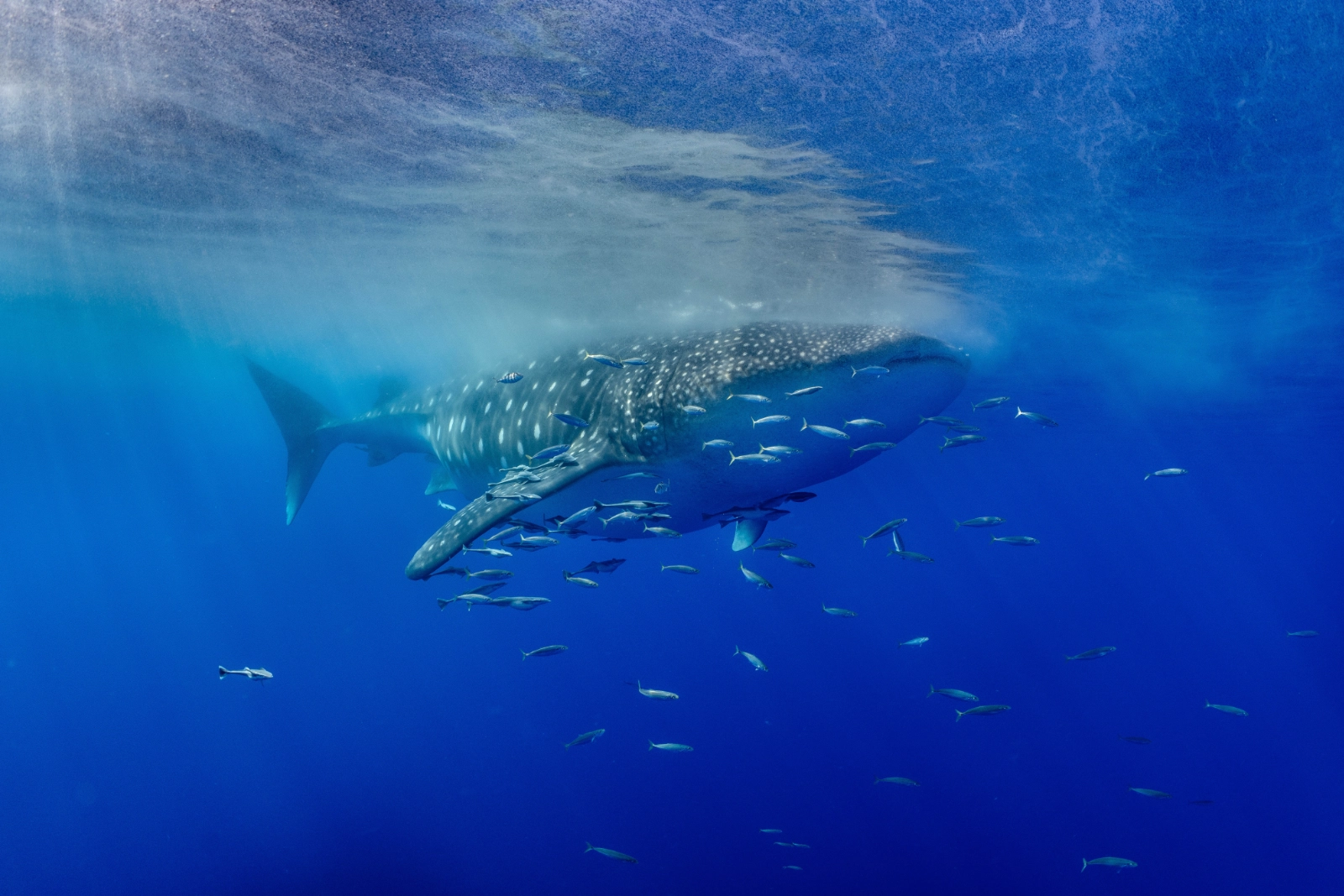
Just like a fingerprint, every whale shark has a unique pattern of spots. Scientists can identify individual animals by photographing the area just behind the gills and above the pectoral fin.
If possible, capture:
- Left side photo ID
- Right side photo ID
- Full body image (perpendicular or 90° from the animal)
Contribute to a global whale shark database, even if you see a whale shark outside of the Gulf.
Additional Photos That Help Science
If you have the opportunity, these images provide valuable research information:
- Left-side photo ID, Right-side photo ID, and Full-body image (90° to the shark)
- Tags attached to the shark
- Injuries, scars, or entanglements
- Pelvic fin region (for sex identification)
- Feeding behavior
- Surface swimming or diving behavior
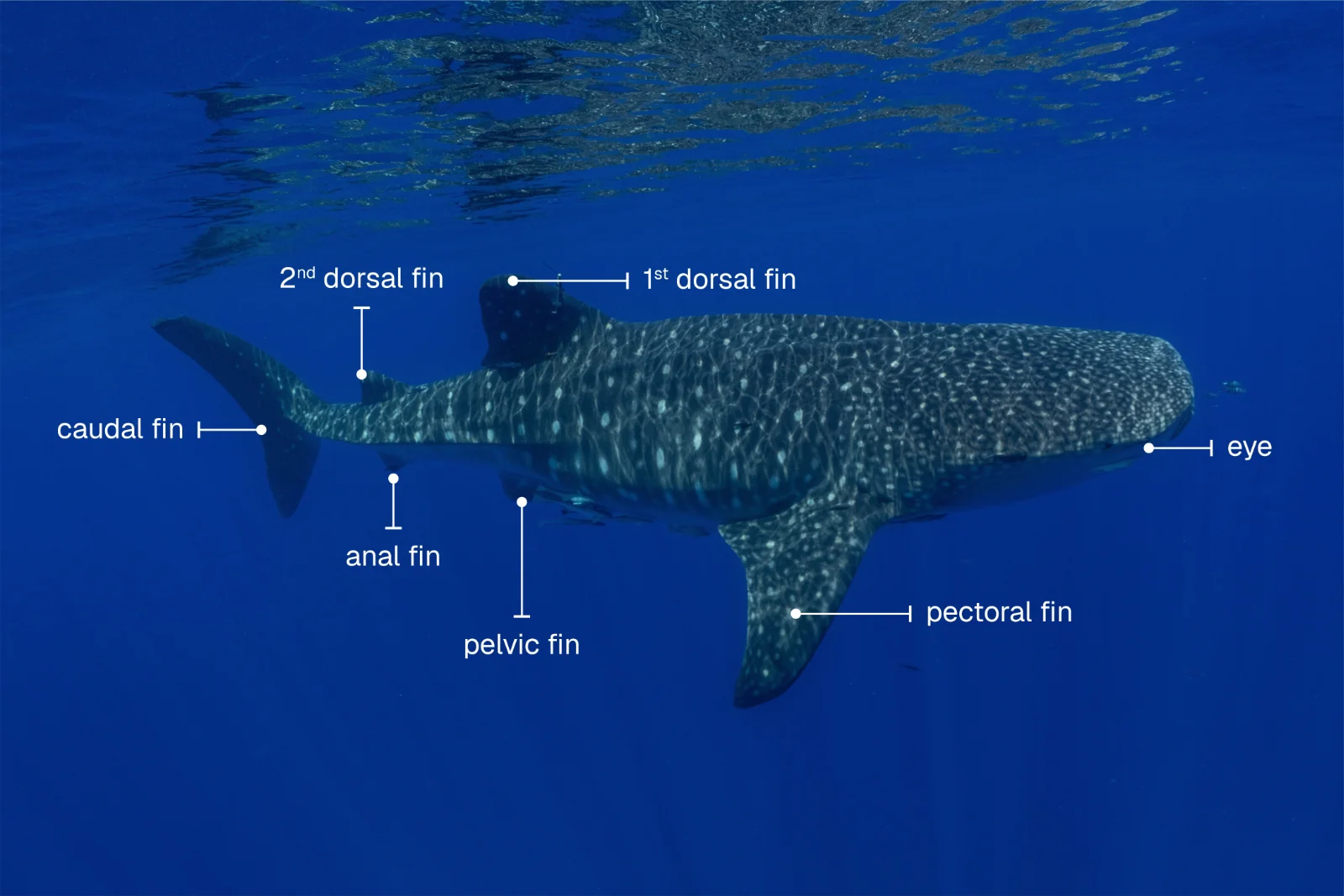
Examples of Photos to Capture:
-
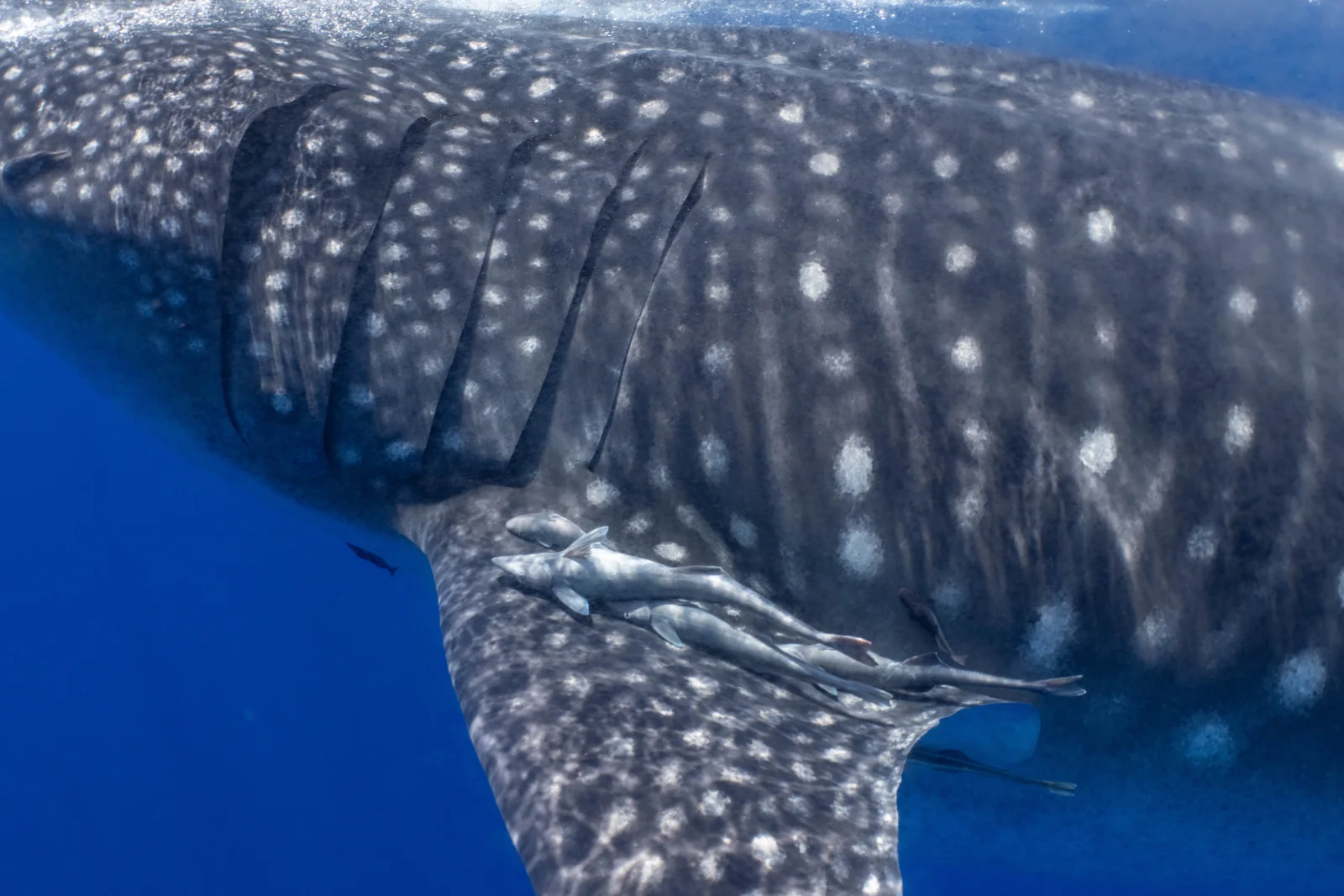
Photo ID left side (must be at 90 degree to shark)
-
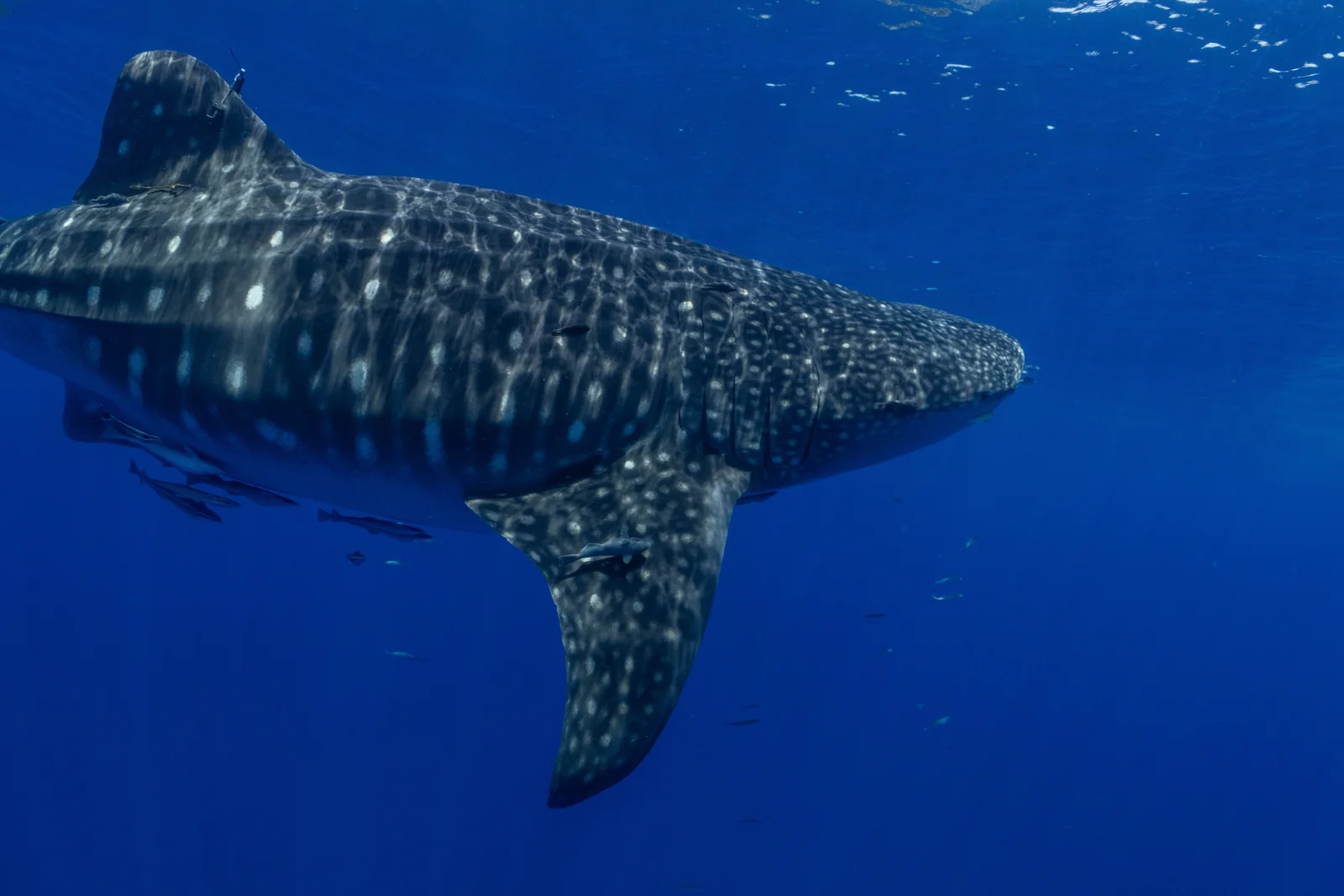
Photo ID right side (must be at 90 degree to shark)
-
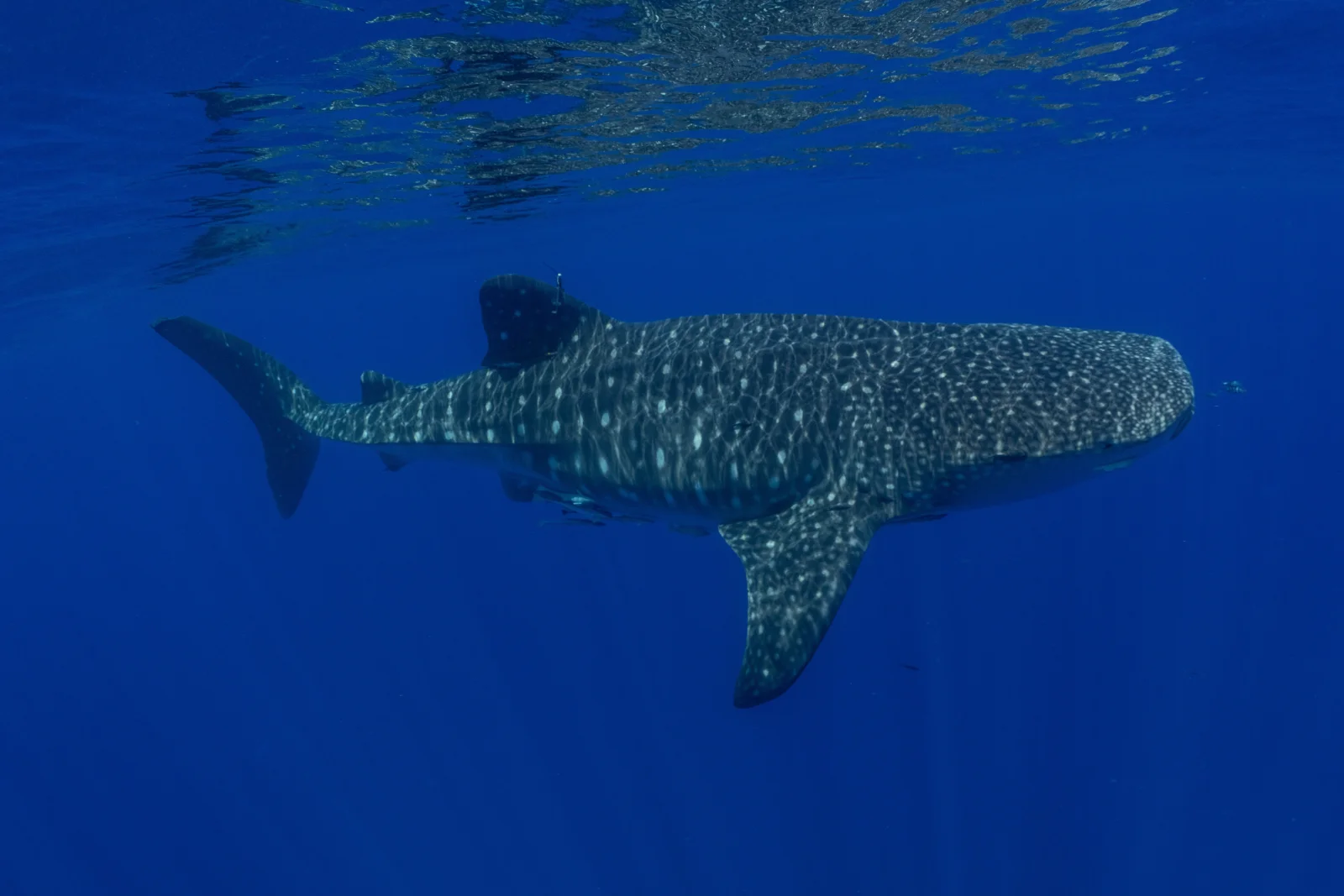
Full body (must be at 90 degree to shark)
-
Full body showing behavior
-
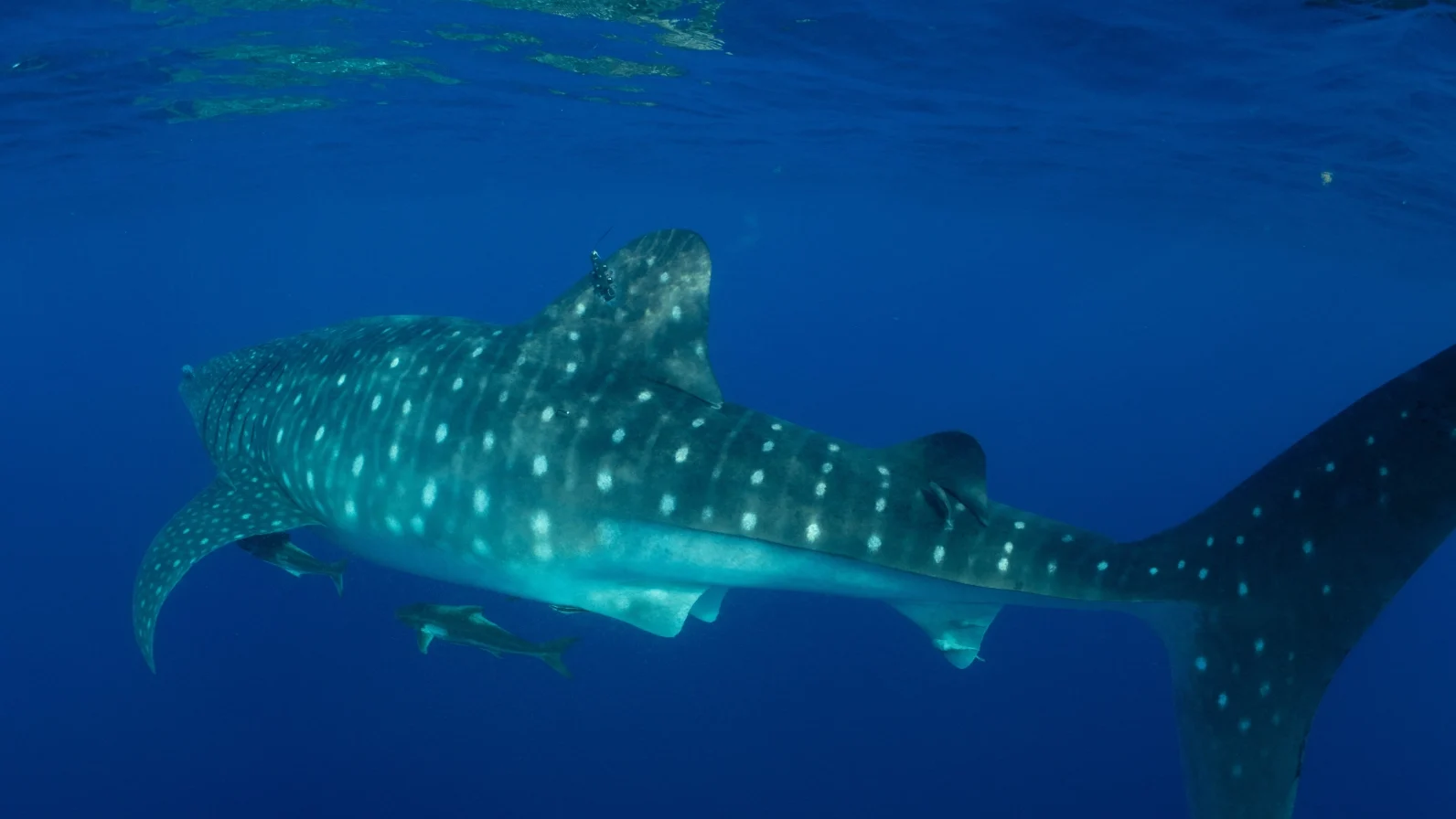
Sex ID, adult female
-
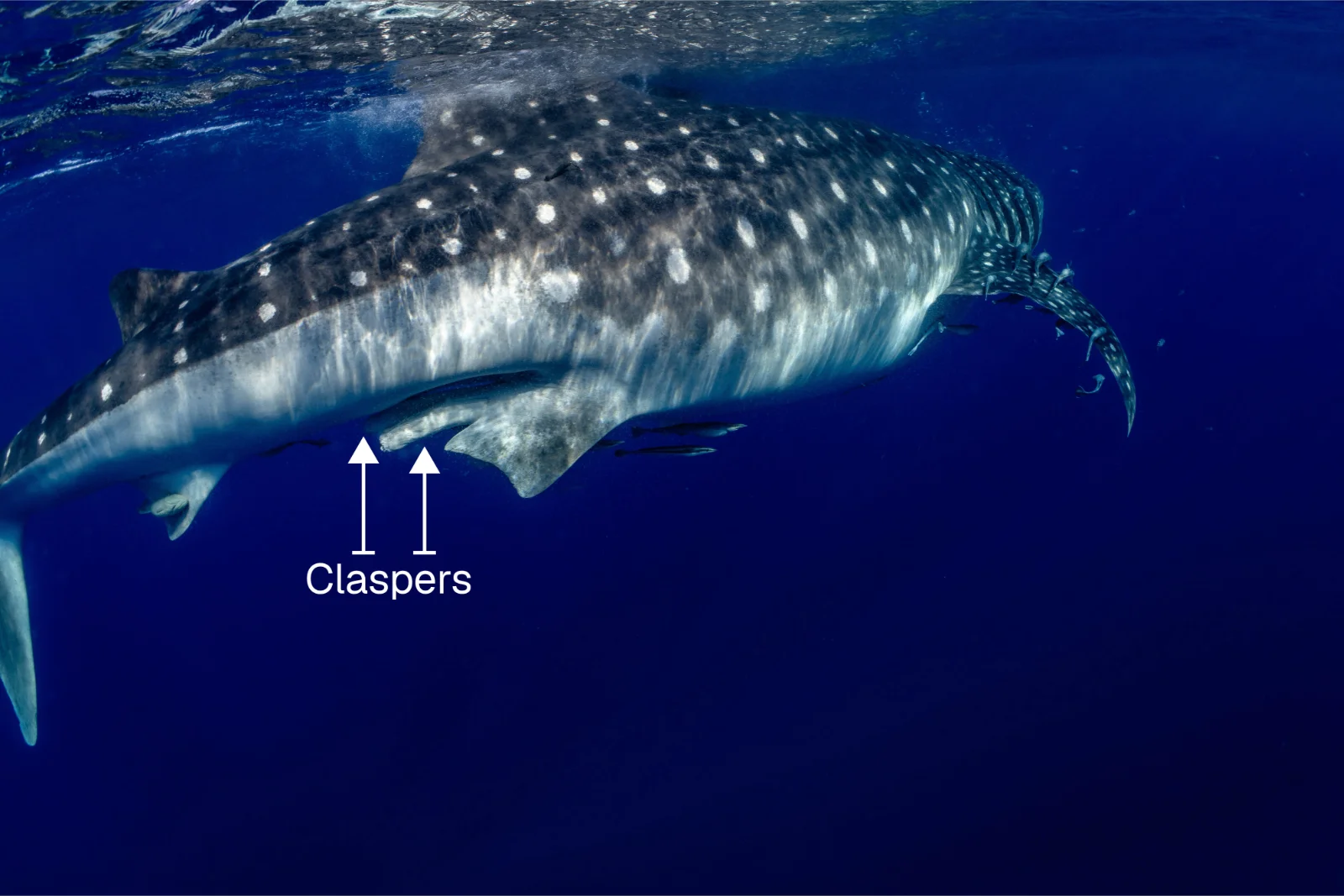
Sex ID, adult male. (Note, immature male claspers can be confused as females)
-
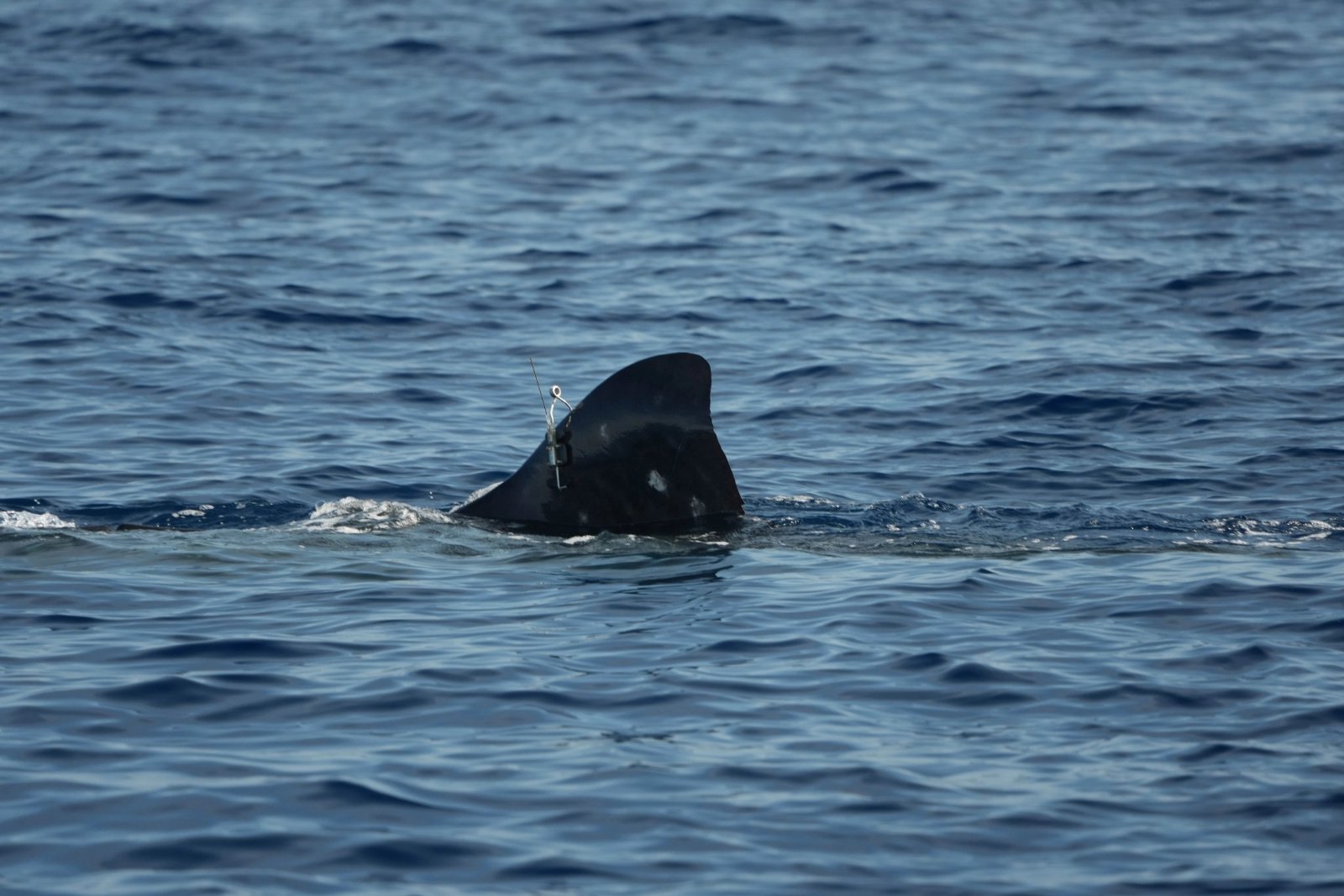
Tags
-
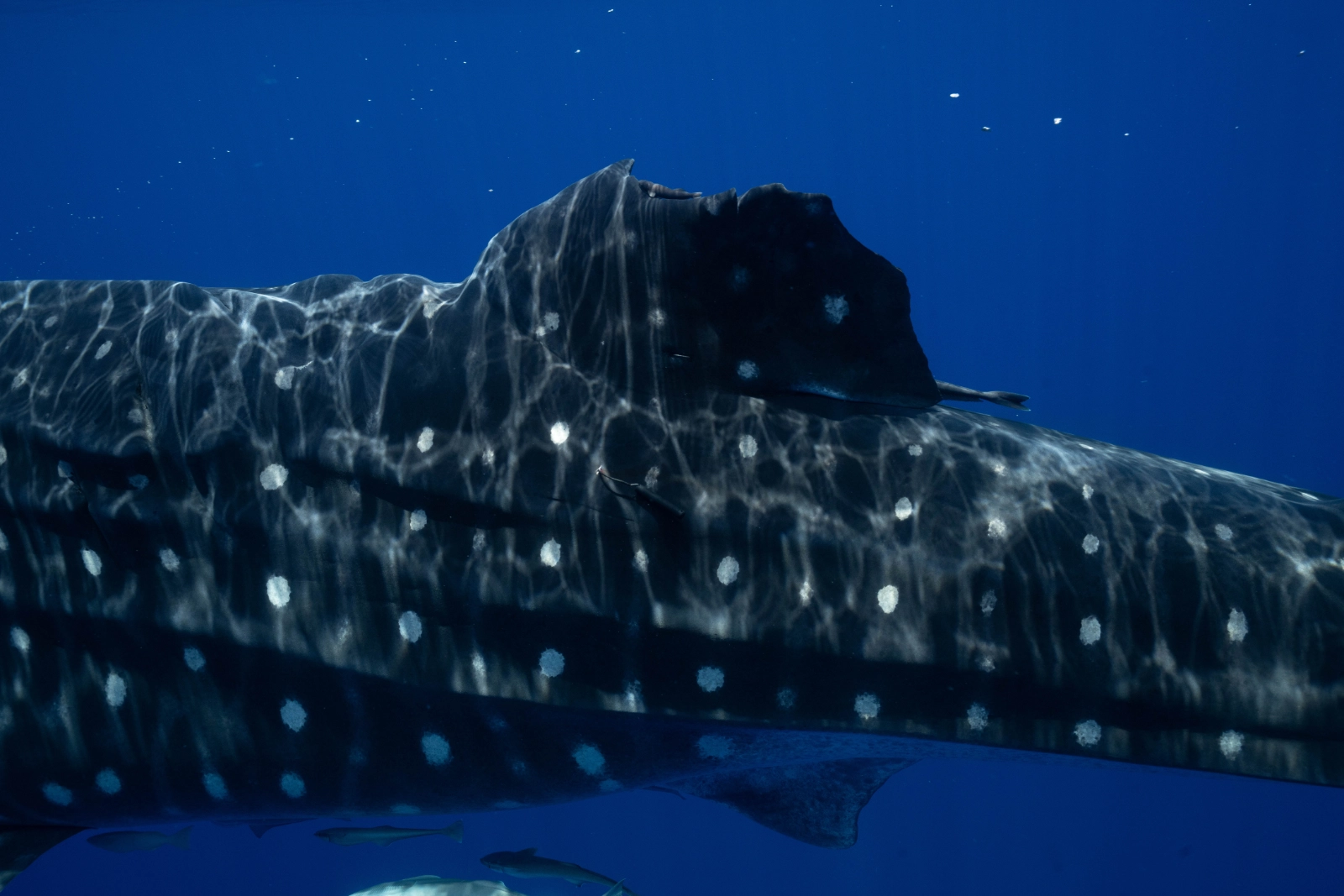
Injuries
-
Feeding Behavior
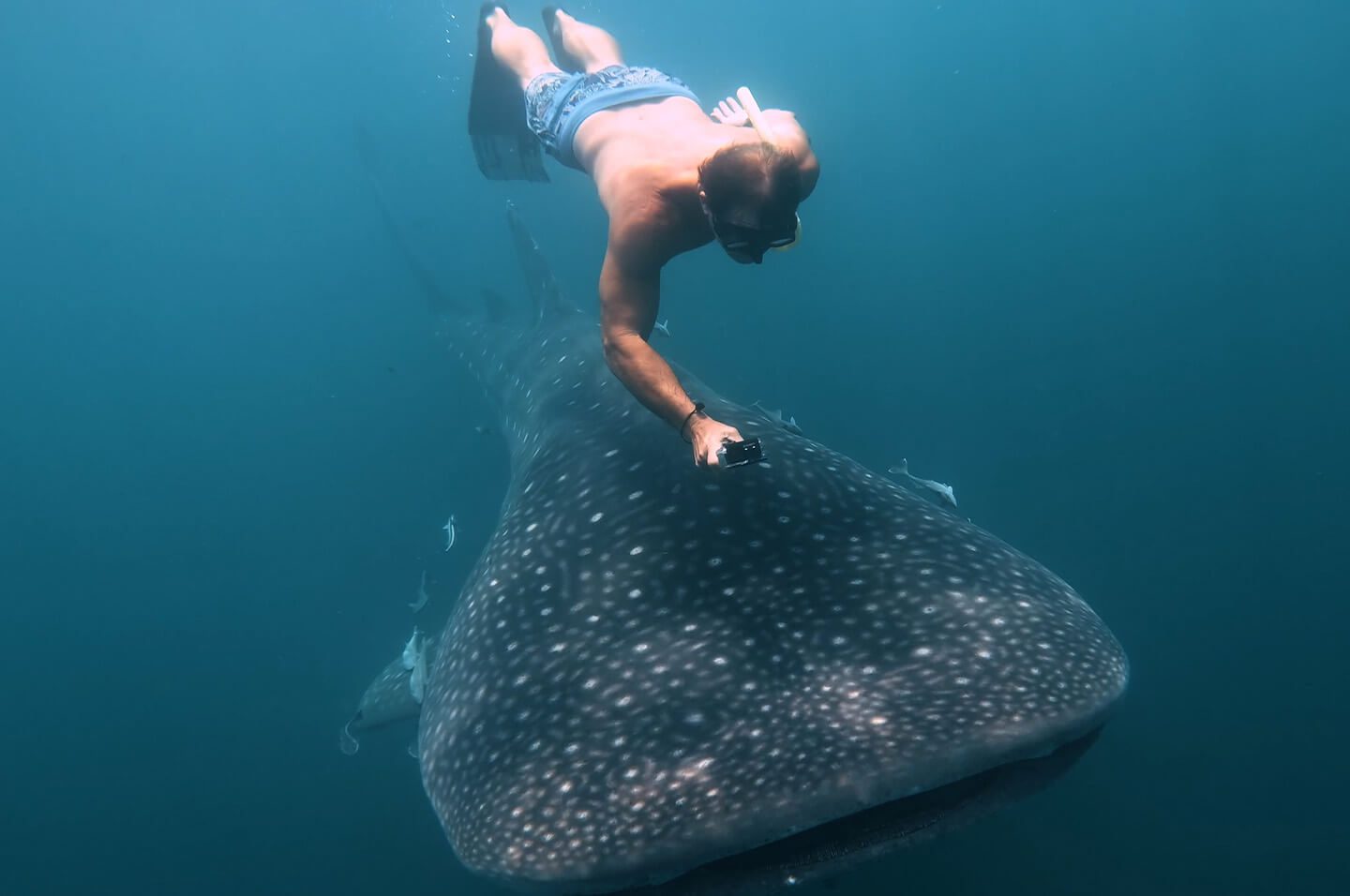
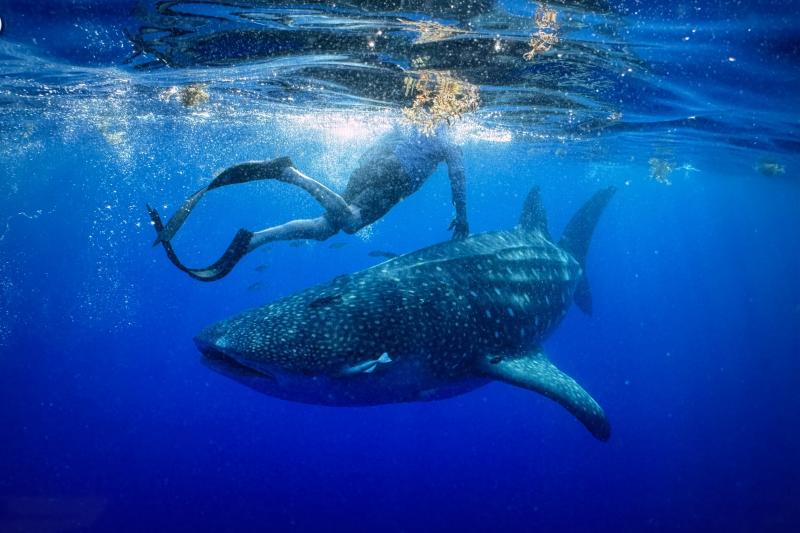
If you encounter a whale shark, observe it from a safe distance and never touch, chase, ride, or block its path. Whale sharks have a protective mucus coating that helps shield them from parasites, bacteria, and infection. Touching a whale shark can damage this natural defense and leave the animal vulnerable to disease.
Whale sharks are the largest fish on Earth, growing up to 40 feet long or more.
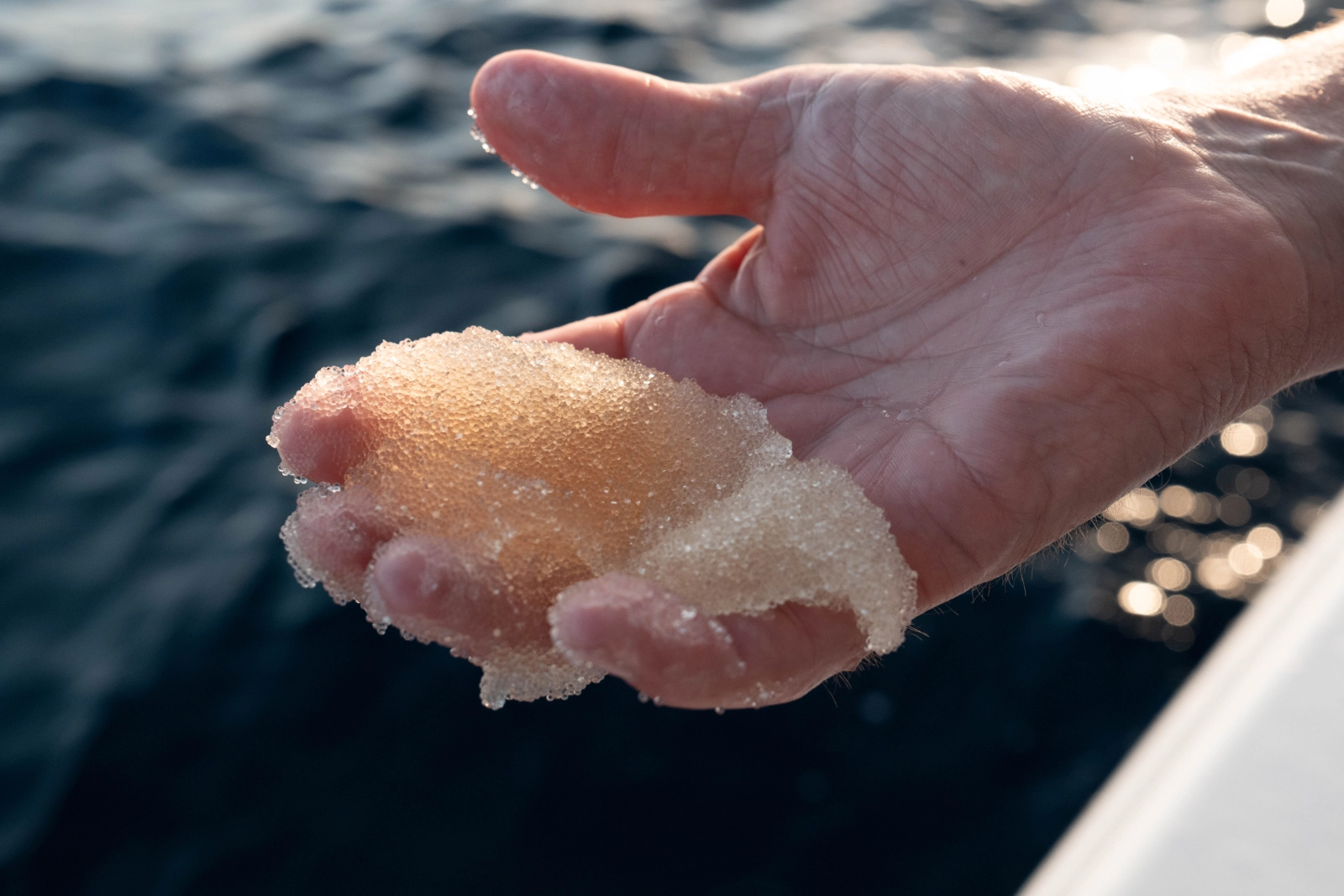
Despite their size, they are gentle filter feeders that eat tiny fish eggs, plankton, and other small organisms. Few people realize that whale sharks visit the Gulf of Mexico every summer.
From June through August, these ocean giants gather offshore to feed on massive concentrations of fish eggs. Researchers studying whale sharks in the waters off Florida’s Gulf Coast discovered that they are drawn to spawning events where billions of Spanish sardine eggs drift through the water.
Although whale sharks can be found across tropical oceans worldwide, their population has declined by more than 50% over the last century due to accidental entanglement in fishing gear, vessel strikes, and other human impacts. Today, they are listed as Endangered by the International Union for Conservation of Natural Resources (IUCN).