



As development threatens black bears, researchers chart path to safety

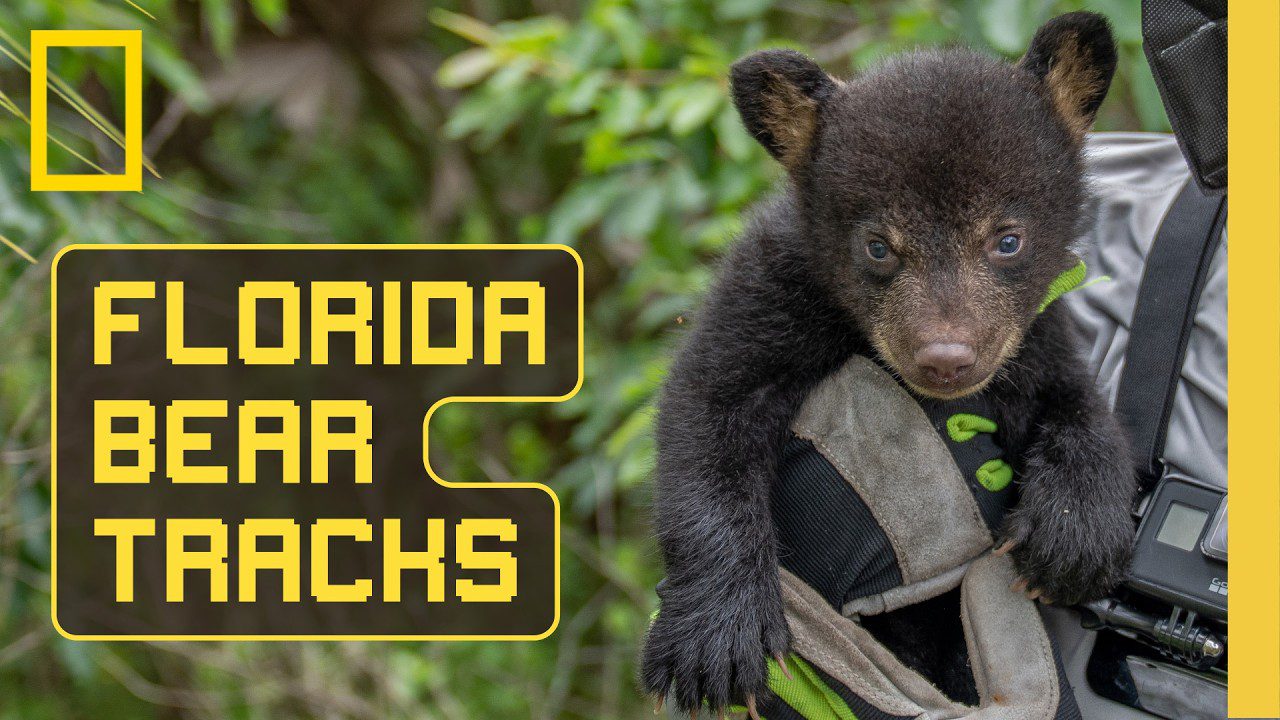
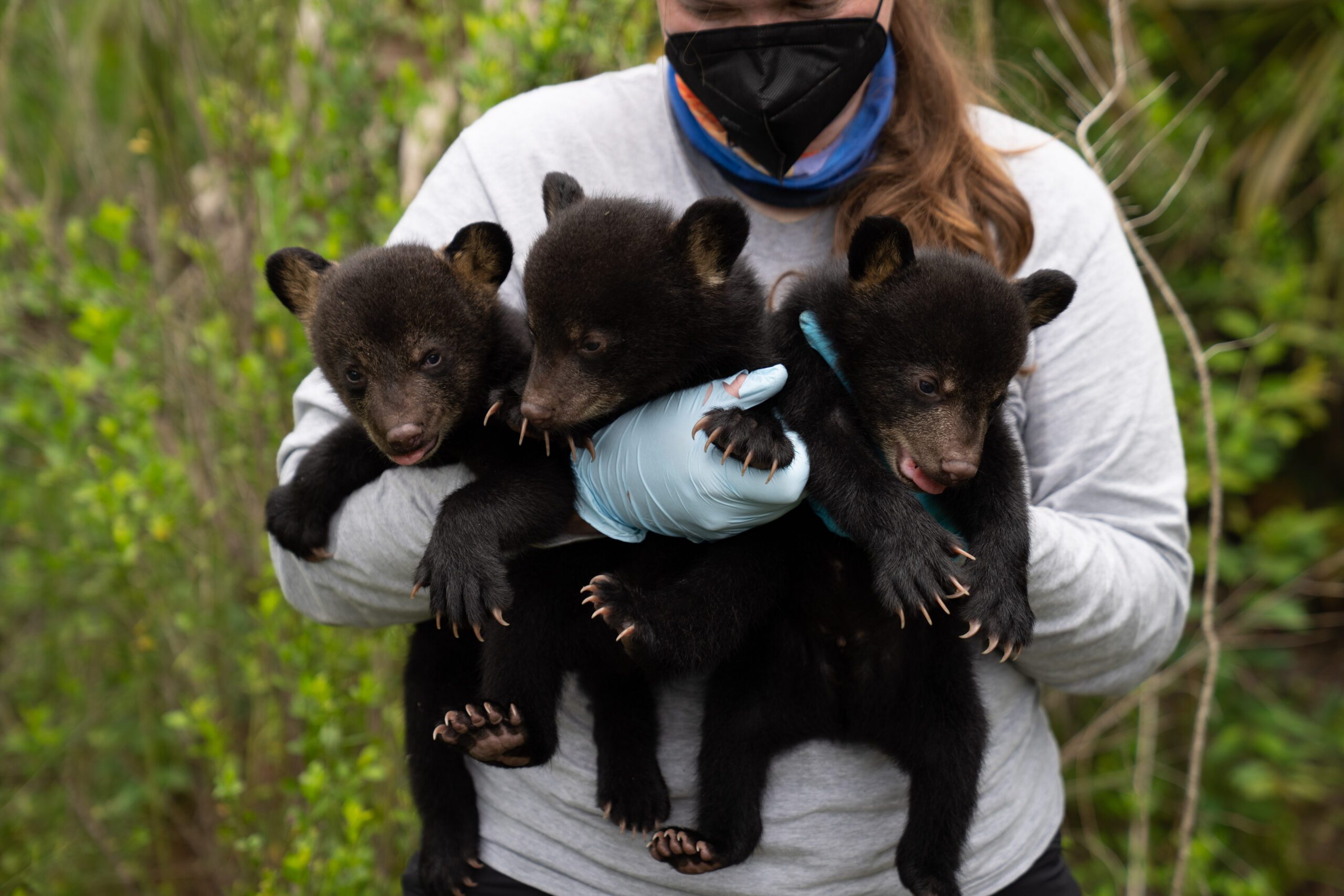
An all-female team of biologists sets out to collar black bears in South Florida on a quest to learn what the future holds for the species.
Wildpath and National Geographic premiered Florida Bear Tracks in August 2025 when Florida wildlife commissioners were voting on the state’s first bear hunt in a decade.
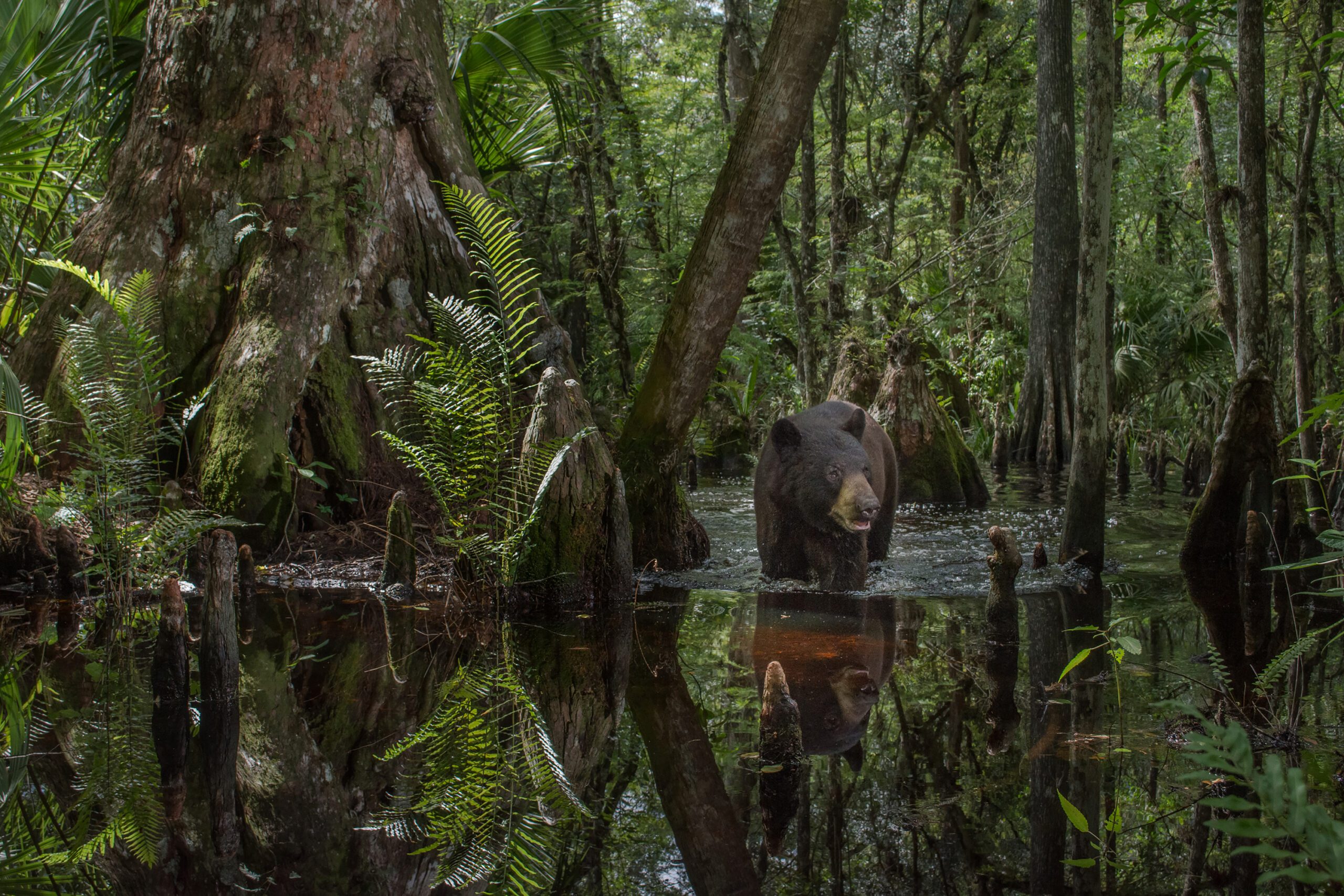
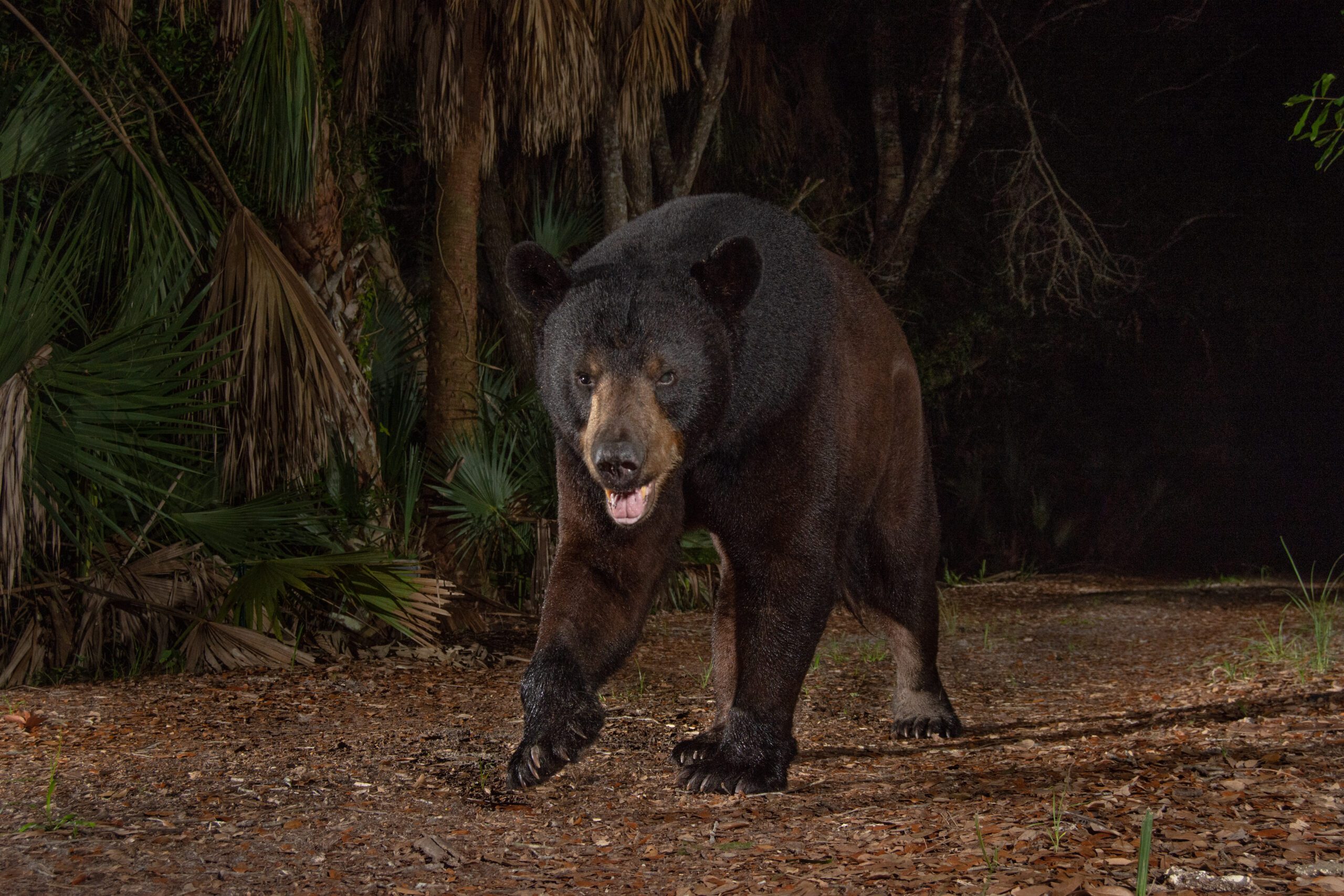
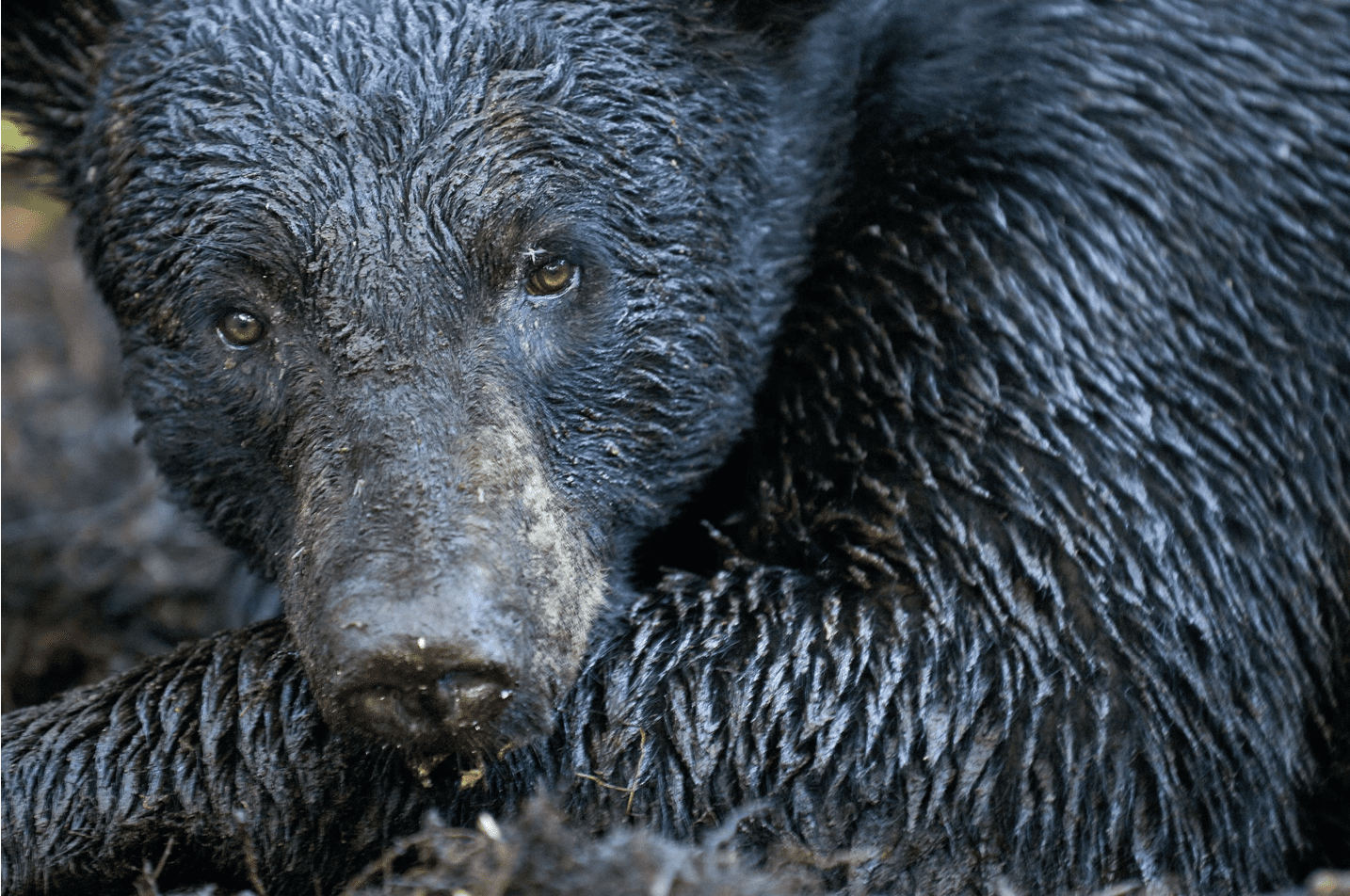
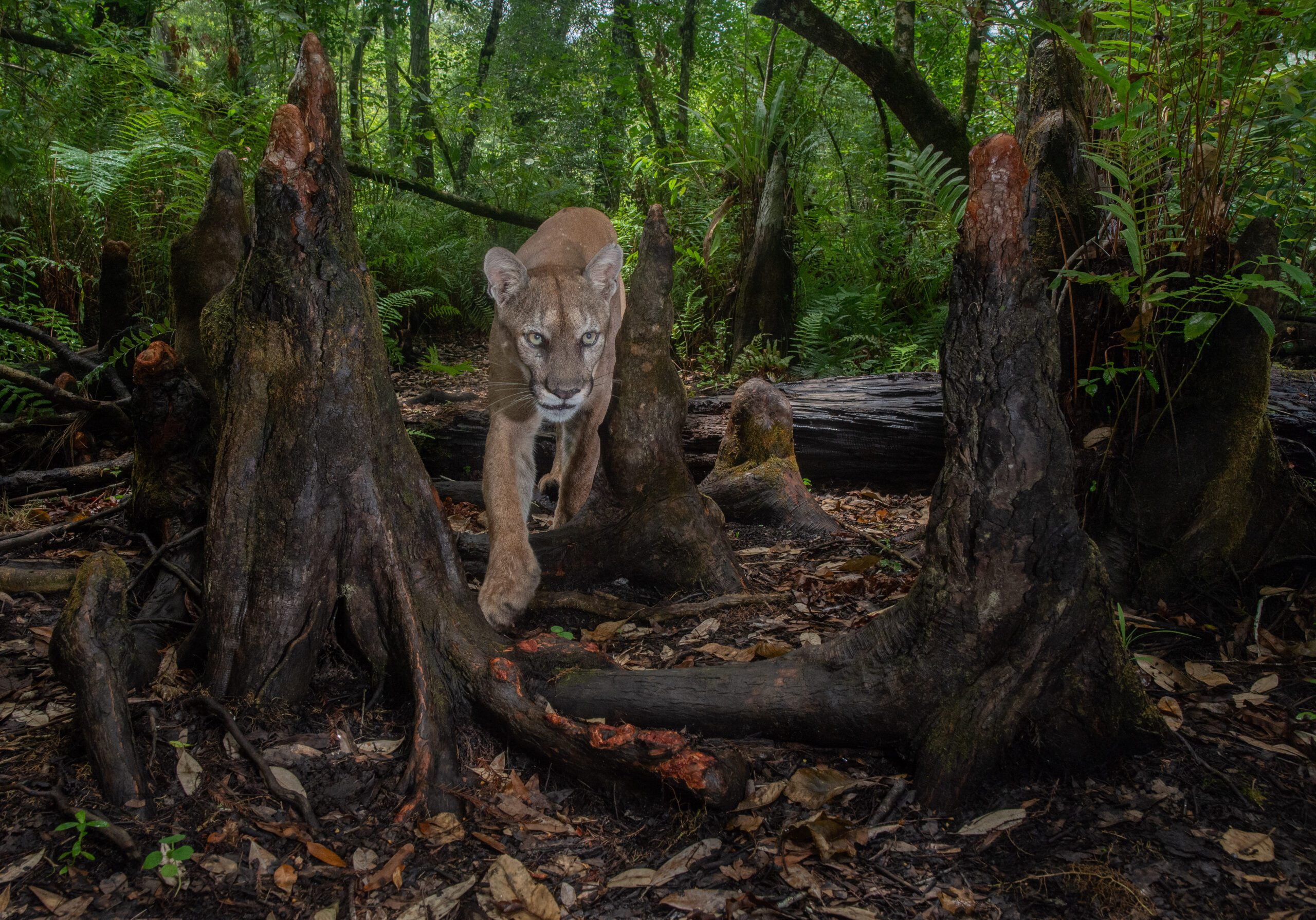
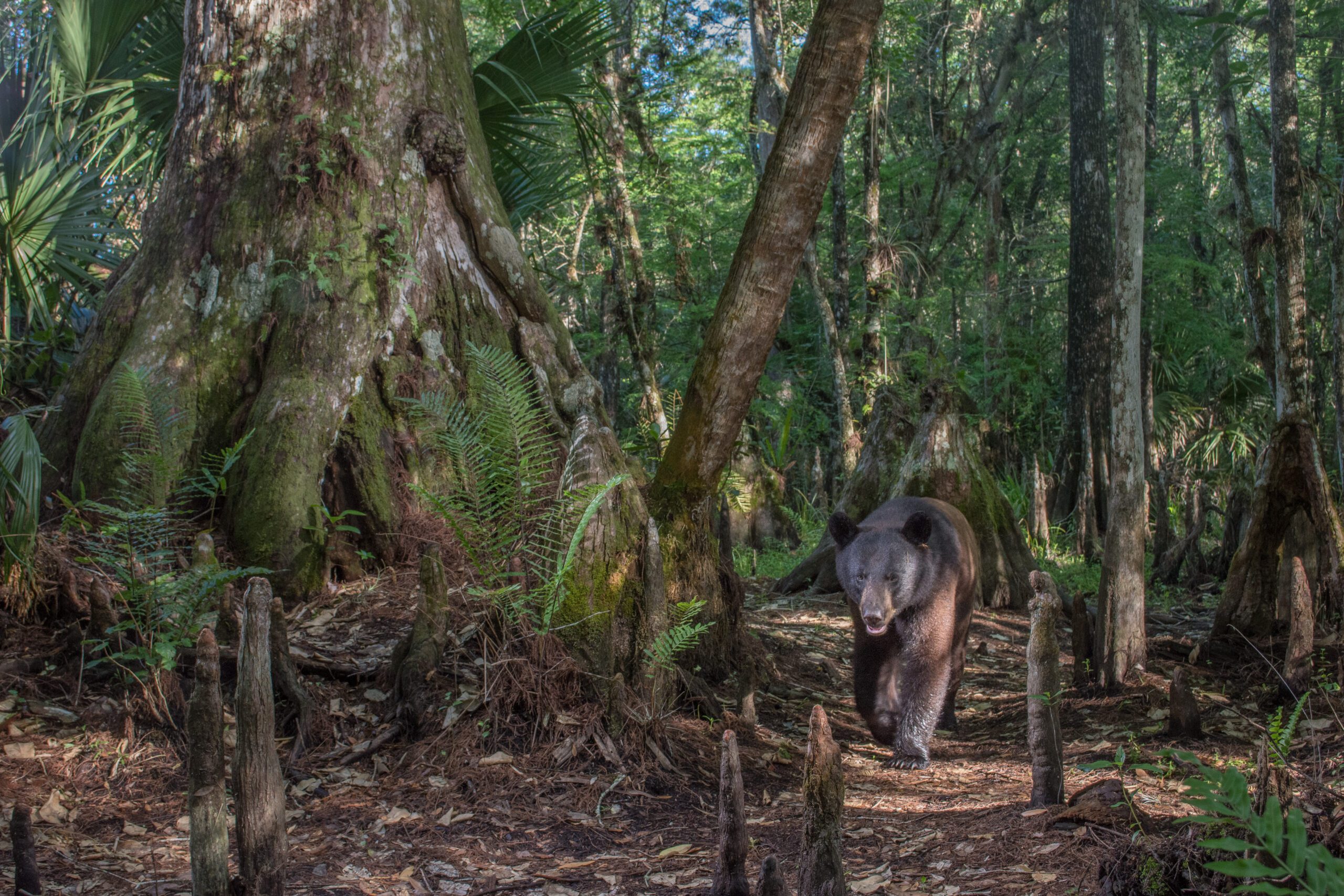
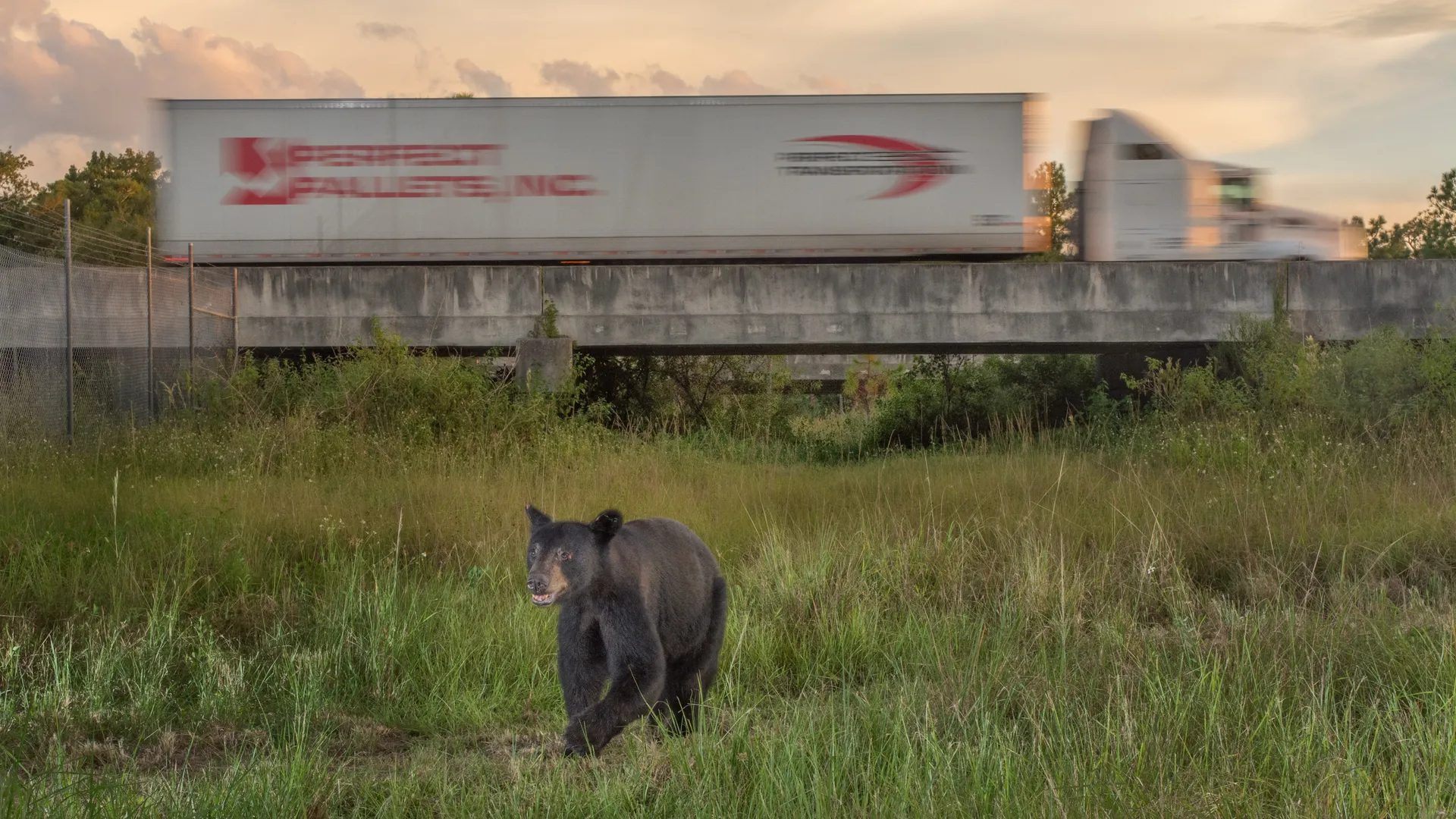
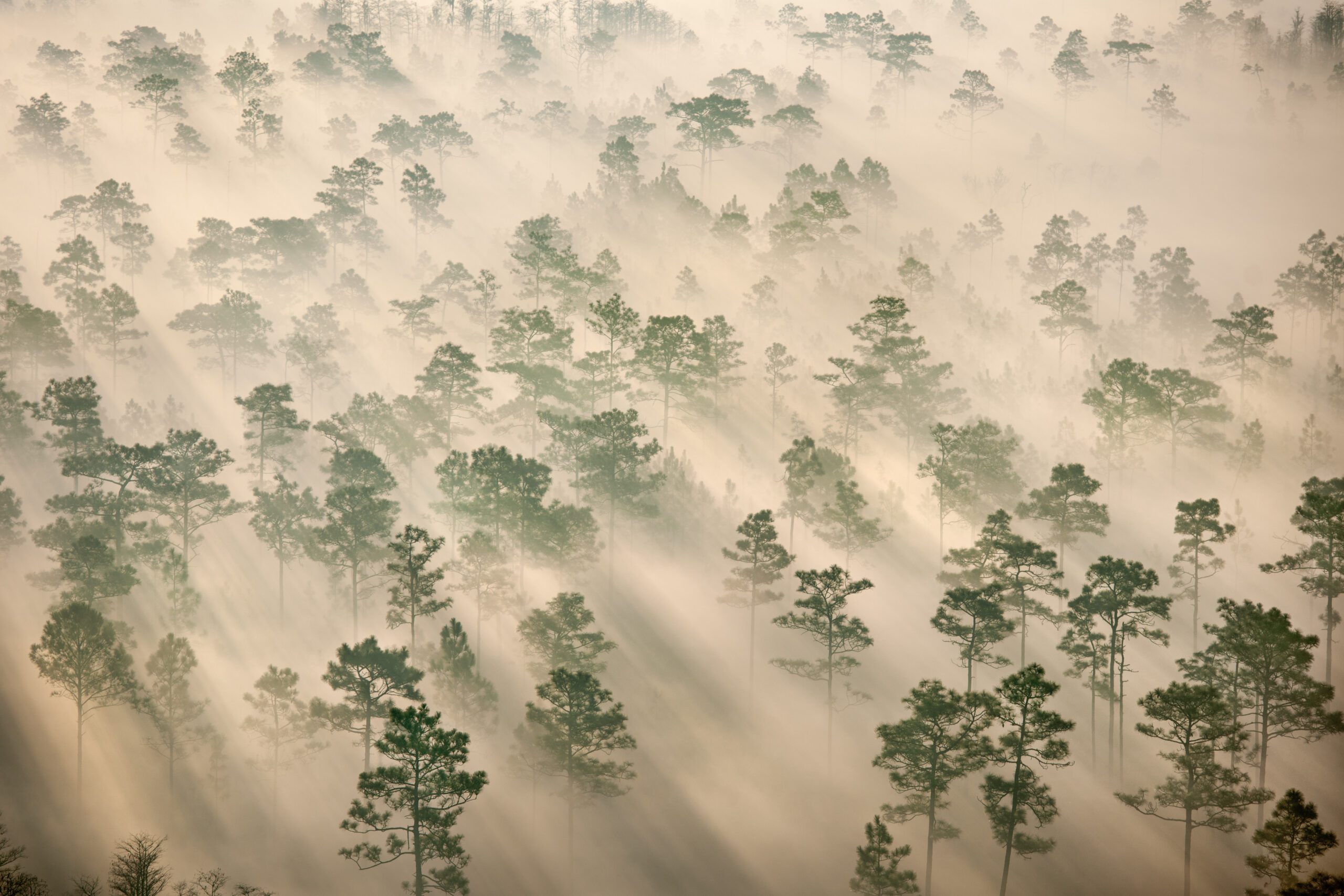
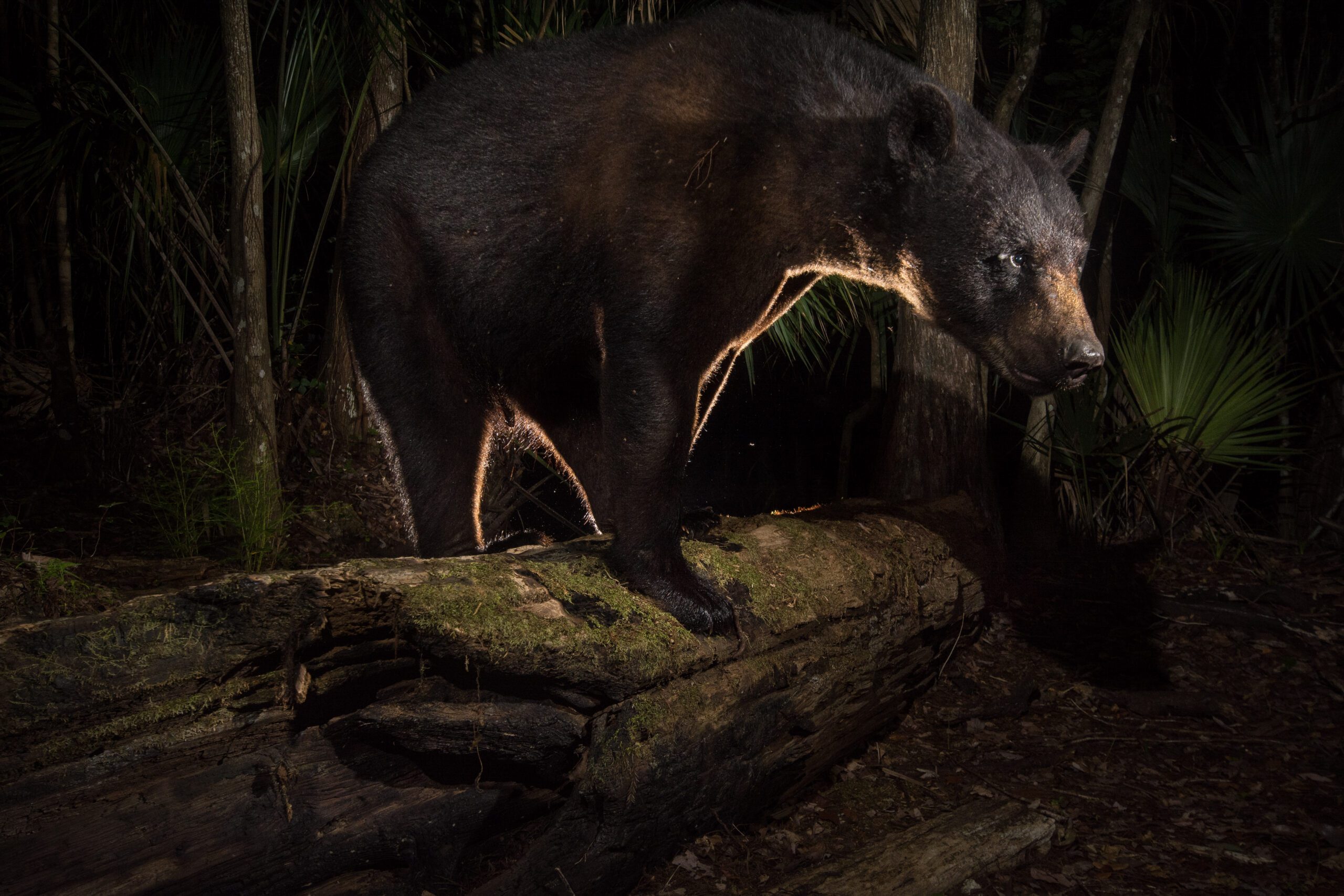
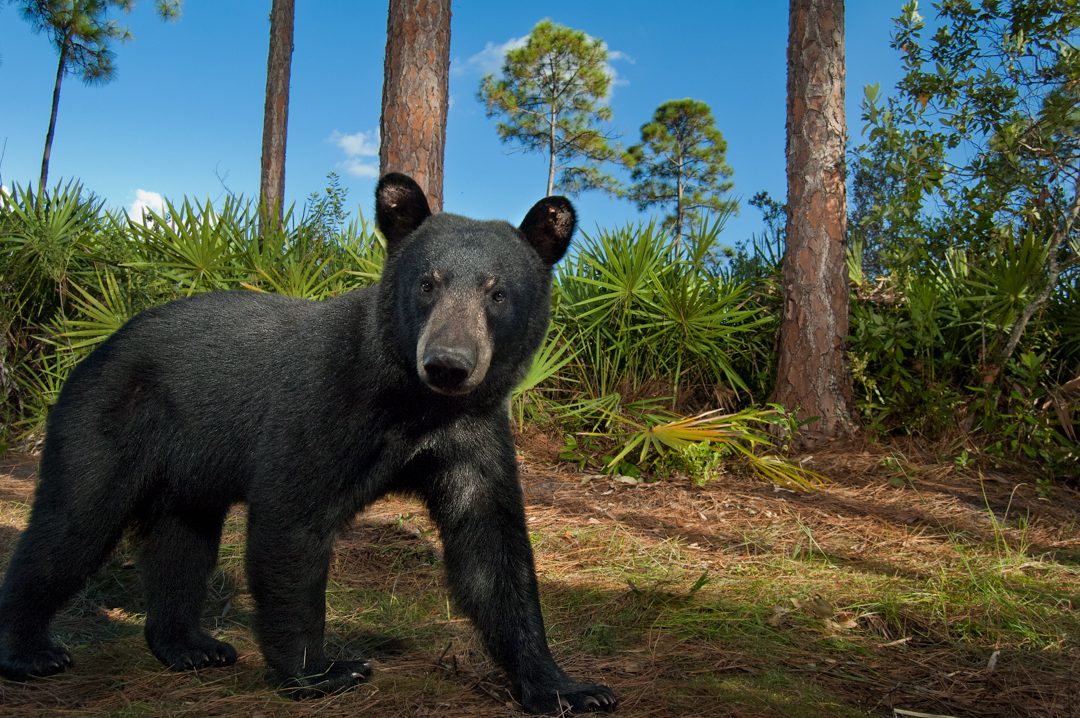
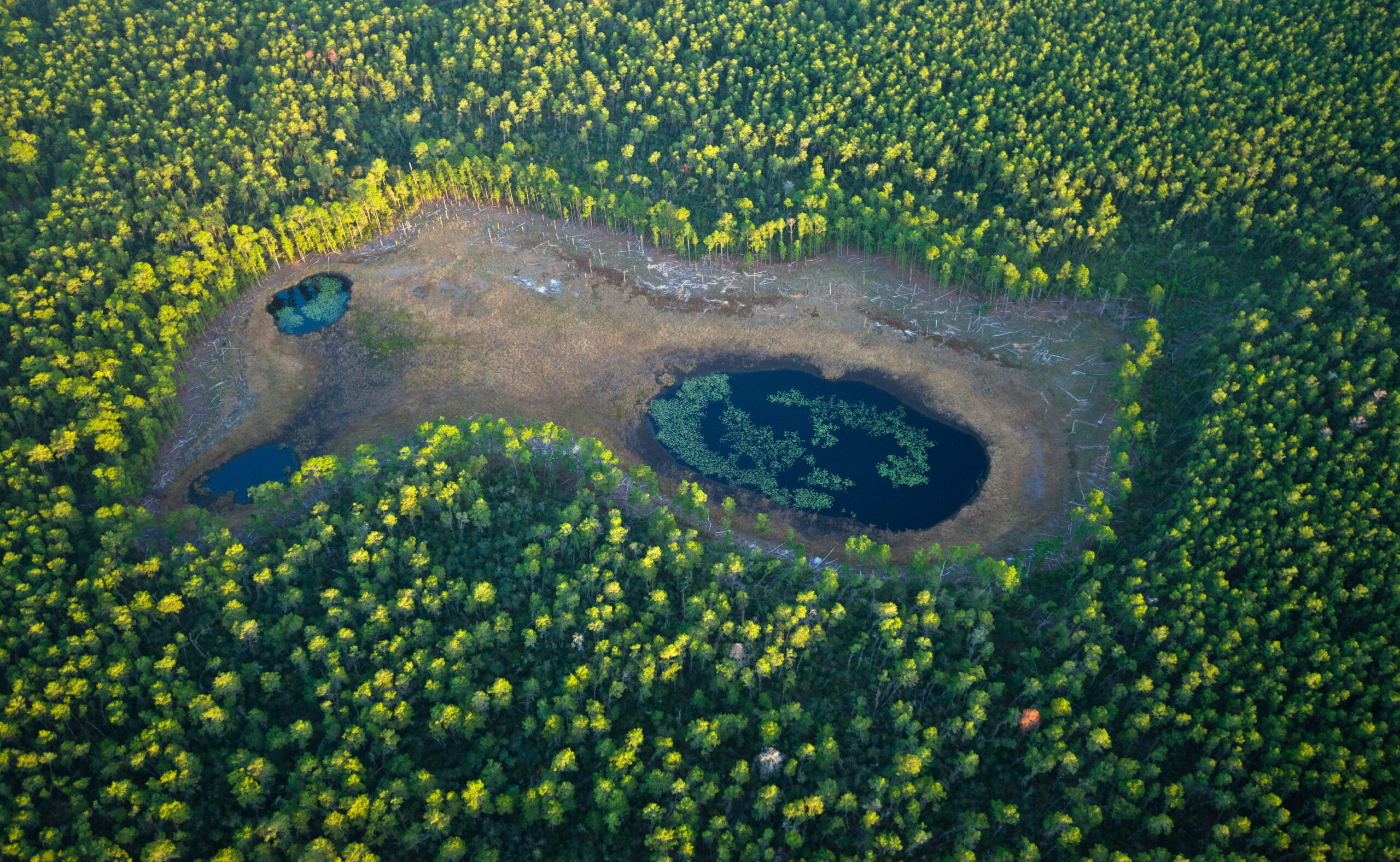
The Florida black bear is a natural ambassador for the Florida Wildlife Corridor. Once found throughout the state, Florida black bears now exist in seven isolated groups — three of which have populations under 200 individuals — that could become further fragmented by Florida’s rapid development. The essential research chronicled in the film aims to discover whether black bear subpopulations across the state are interconnected and growing thanks to protected wildlife corridors, or if further conservation efforts are needed to protect bears and other species amidst rapid human development.
The film was designed to inform audiences about the conservation needs of Florida black bears, showing that while some bear populations were thriving, others were small and remained endangered. There was a lot of news about the proposed bear hunt, but the story of Florida black bears and their habitat needs was not being told.
The ultimate goal is to protect the Florida Wildlife Corridor and inspire wildlife management decisions that restore a statewide, connected black bear population.
Florida Bear Tracks has helped bring widespread attention to the conservation needs of Florida black bears and the importance of protecting and reconnecting their habitat. The film has reached broad audiences through 280,000+ broadcast TV impressions and over 78 million digital readership impressions across 21 media placements. It has also sparked meaningful engagement through community screenings, creating space for dialogue among residents, scientists, and decision-makers about the future of bears and the Florida Wildlife Corridor.
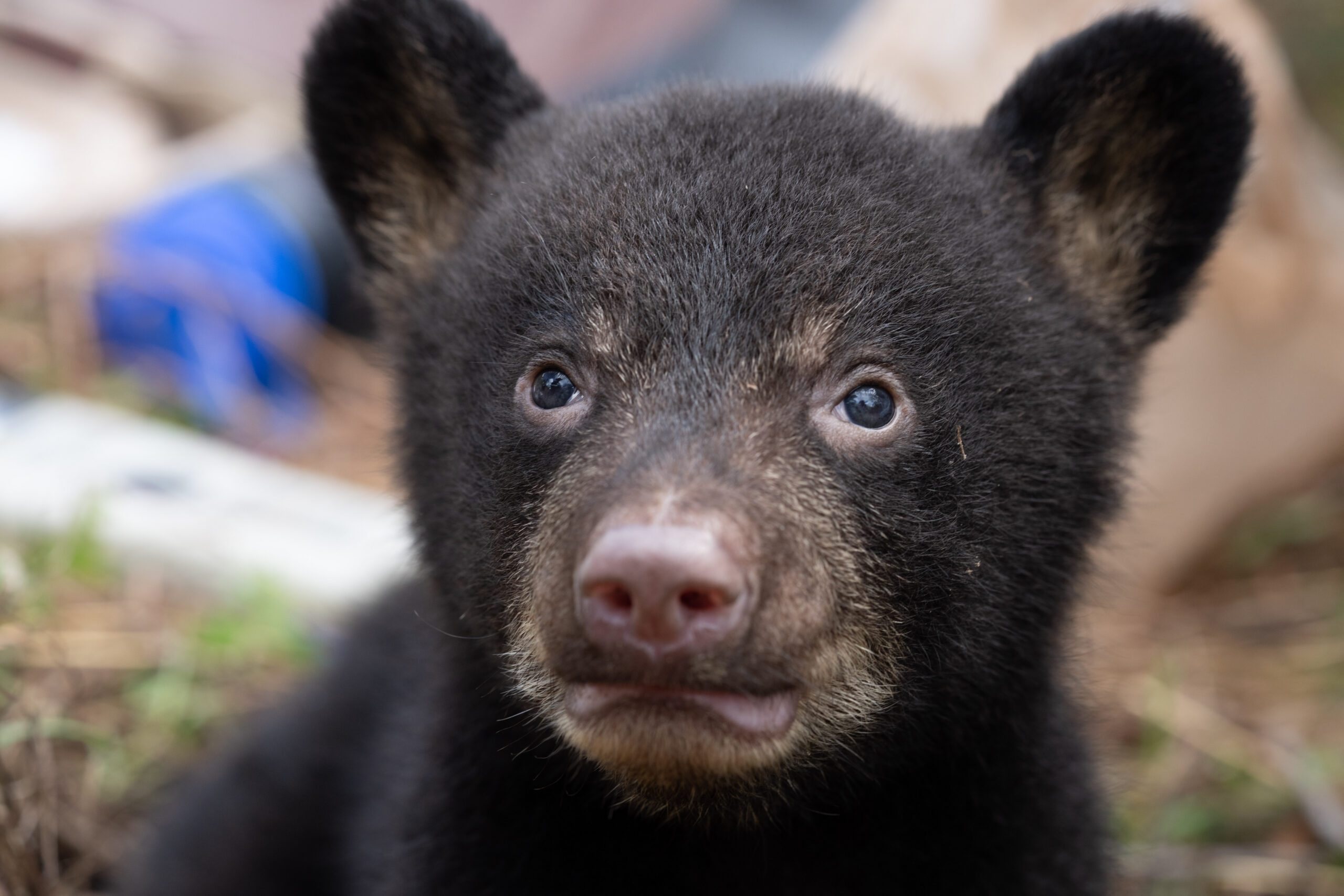
Did you know that Florida is home to seven geographically distinct bear subpopulations? Key populations are located in the Central (1,200+), East Panhandle (1,060), South/Big Cypress (1,040), and North/Osceola (500) areas, with smaller groups in West Panhandle, South Central, and Big Bend.