September 2026 Media Toolkit
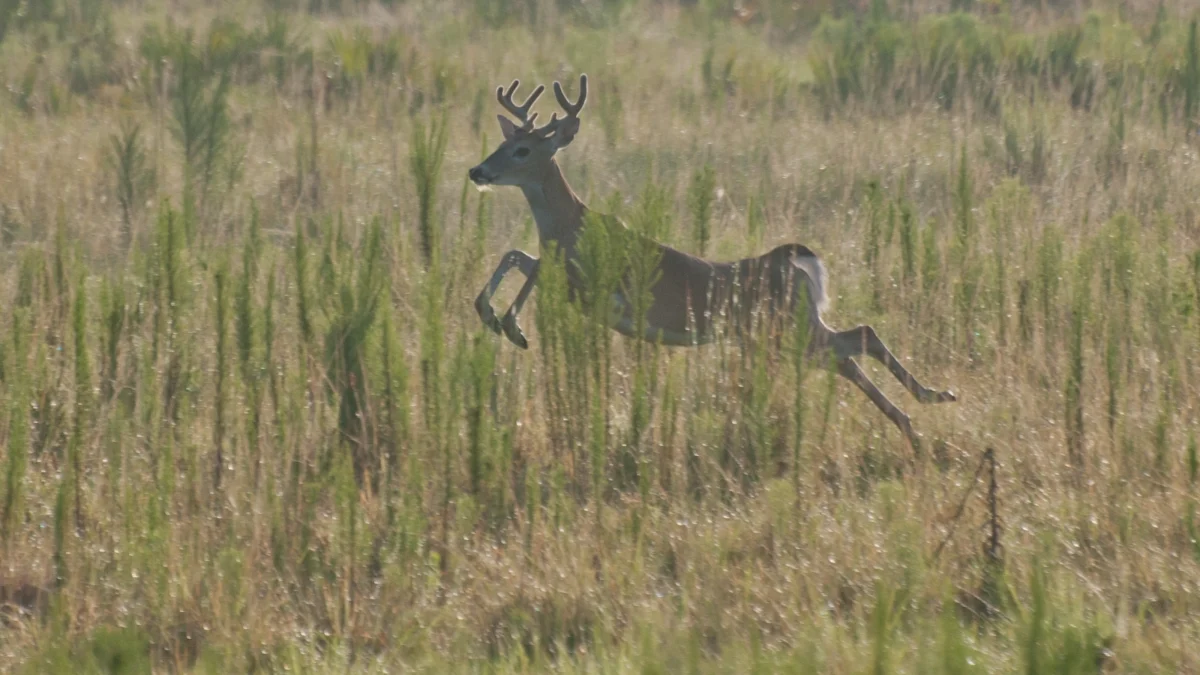

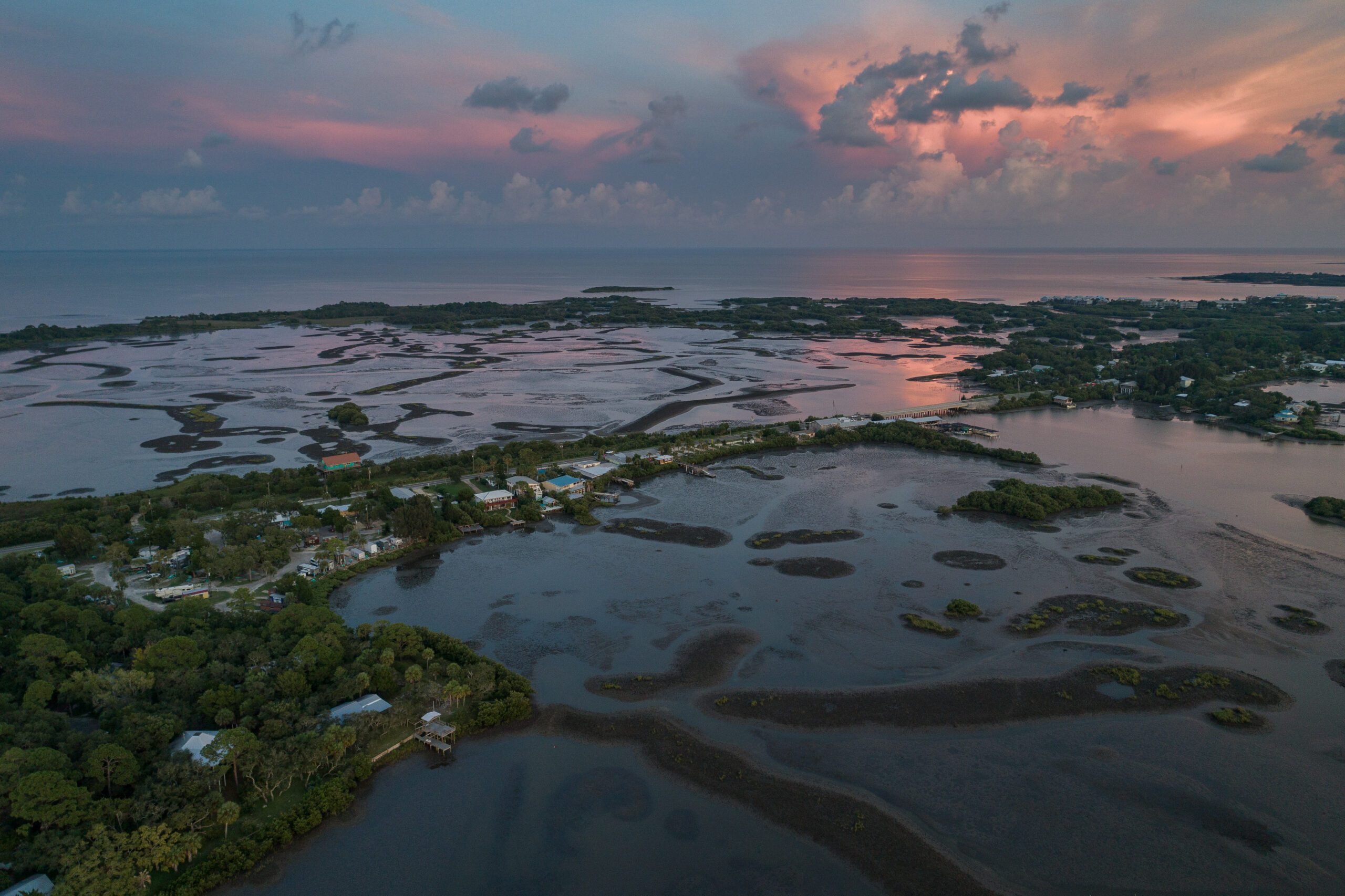
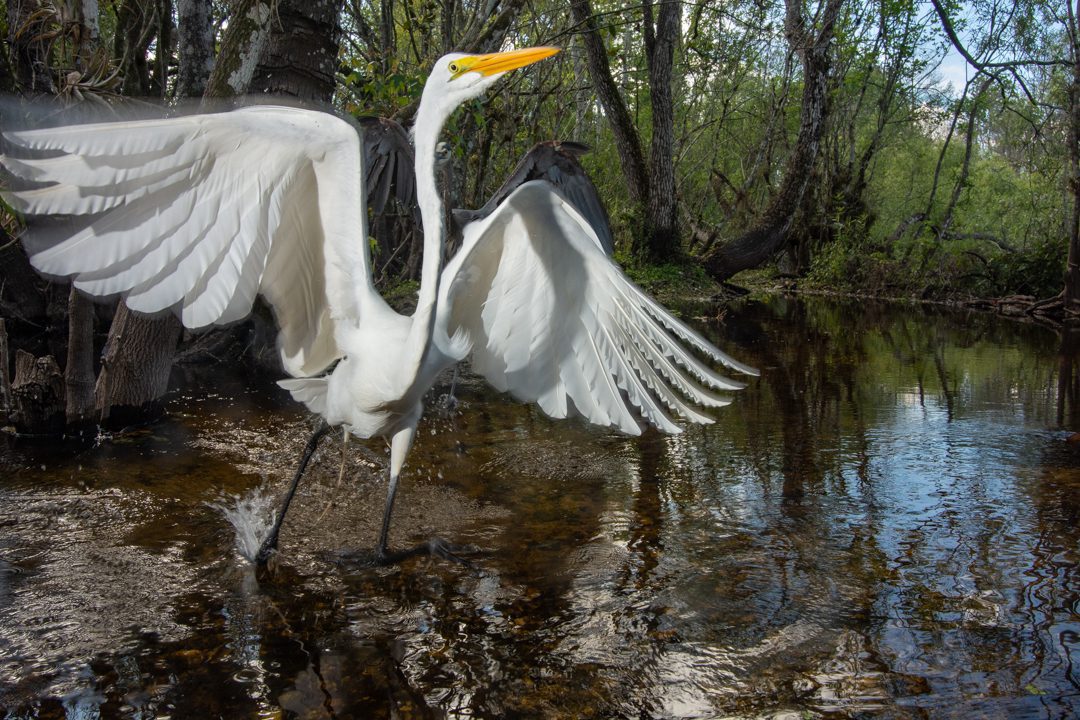
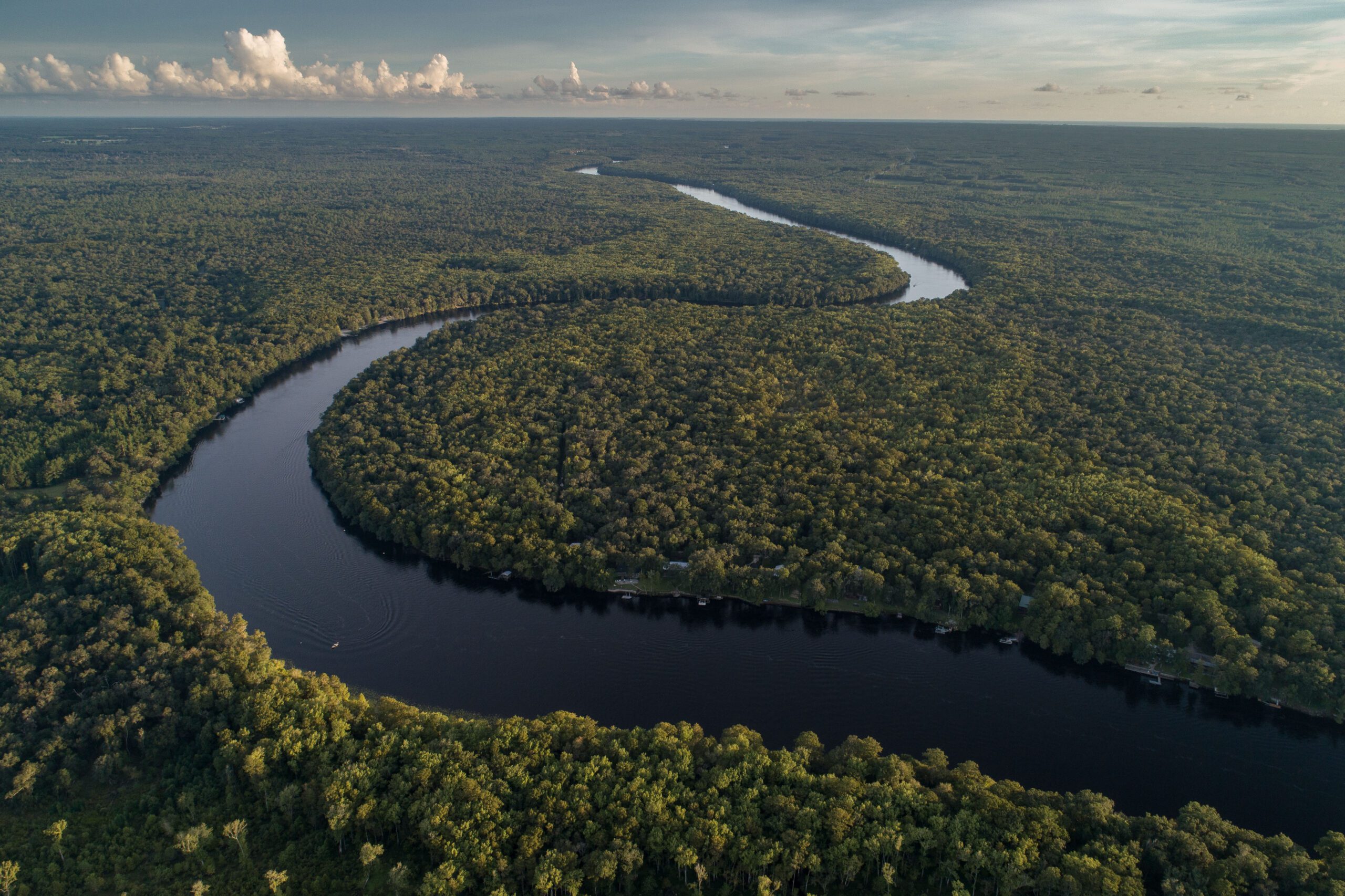
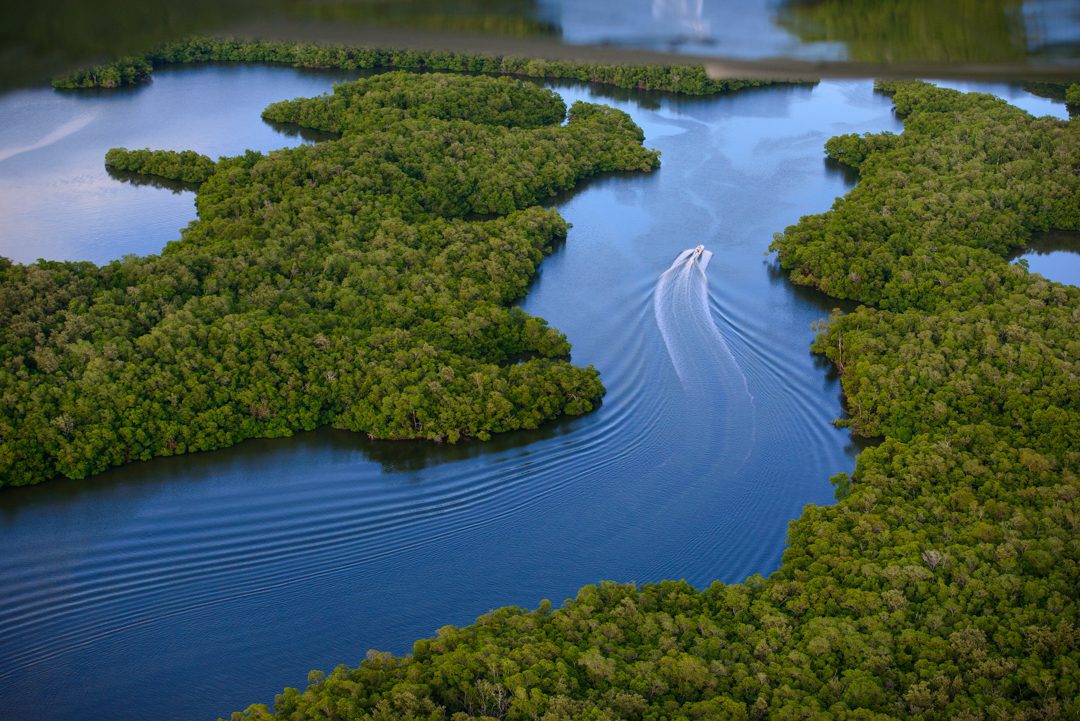
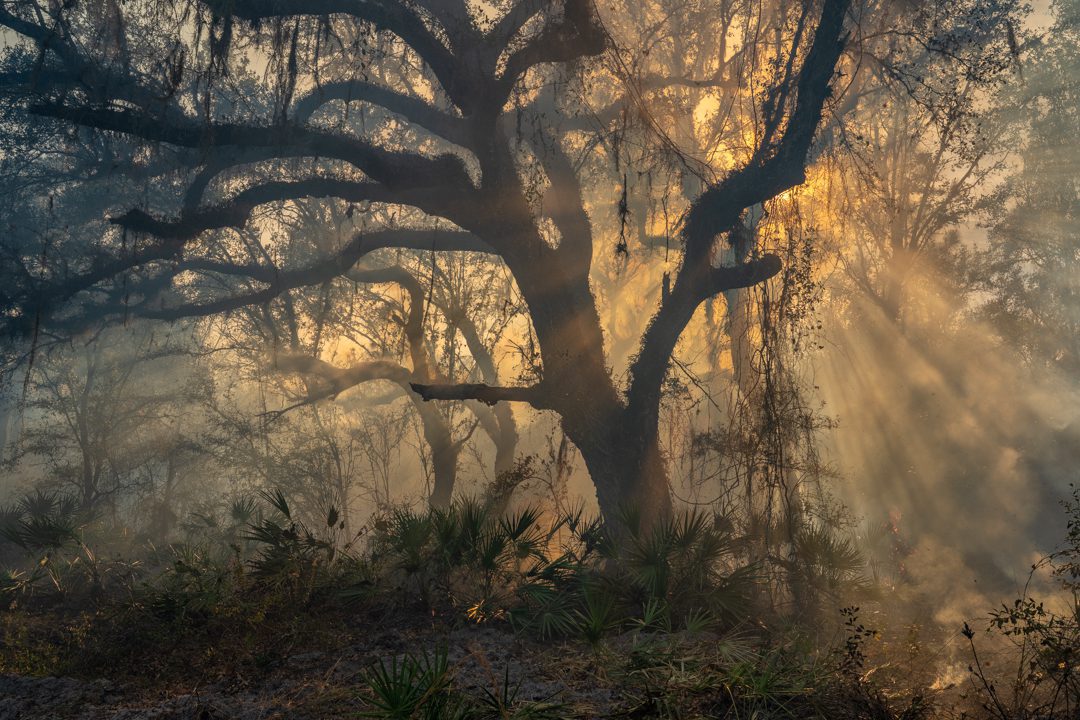
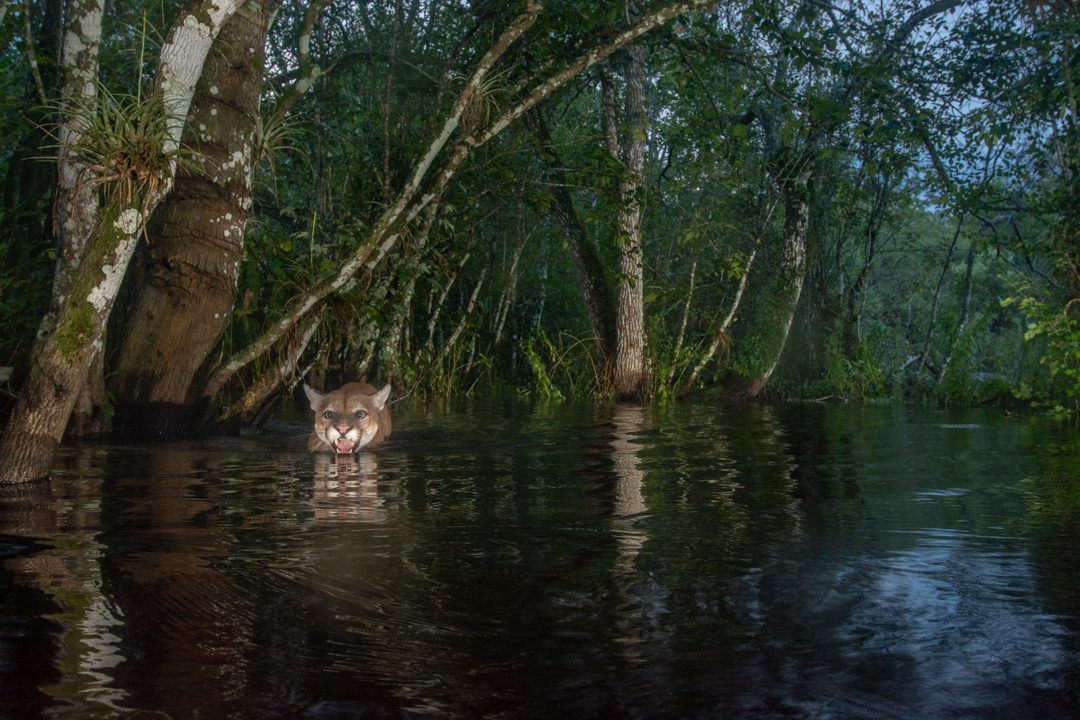
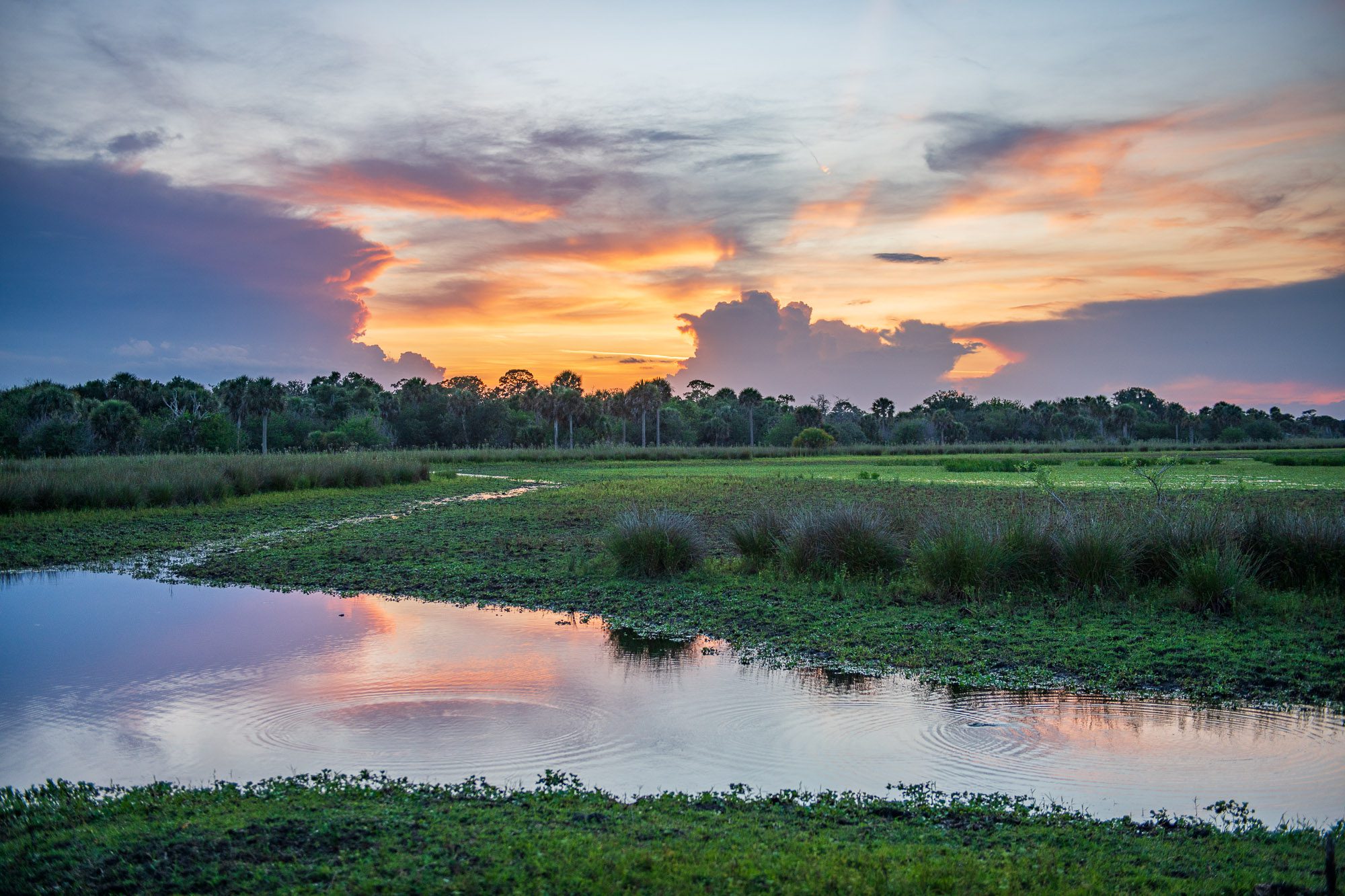
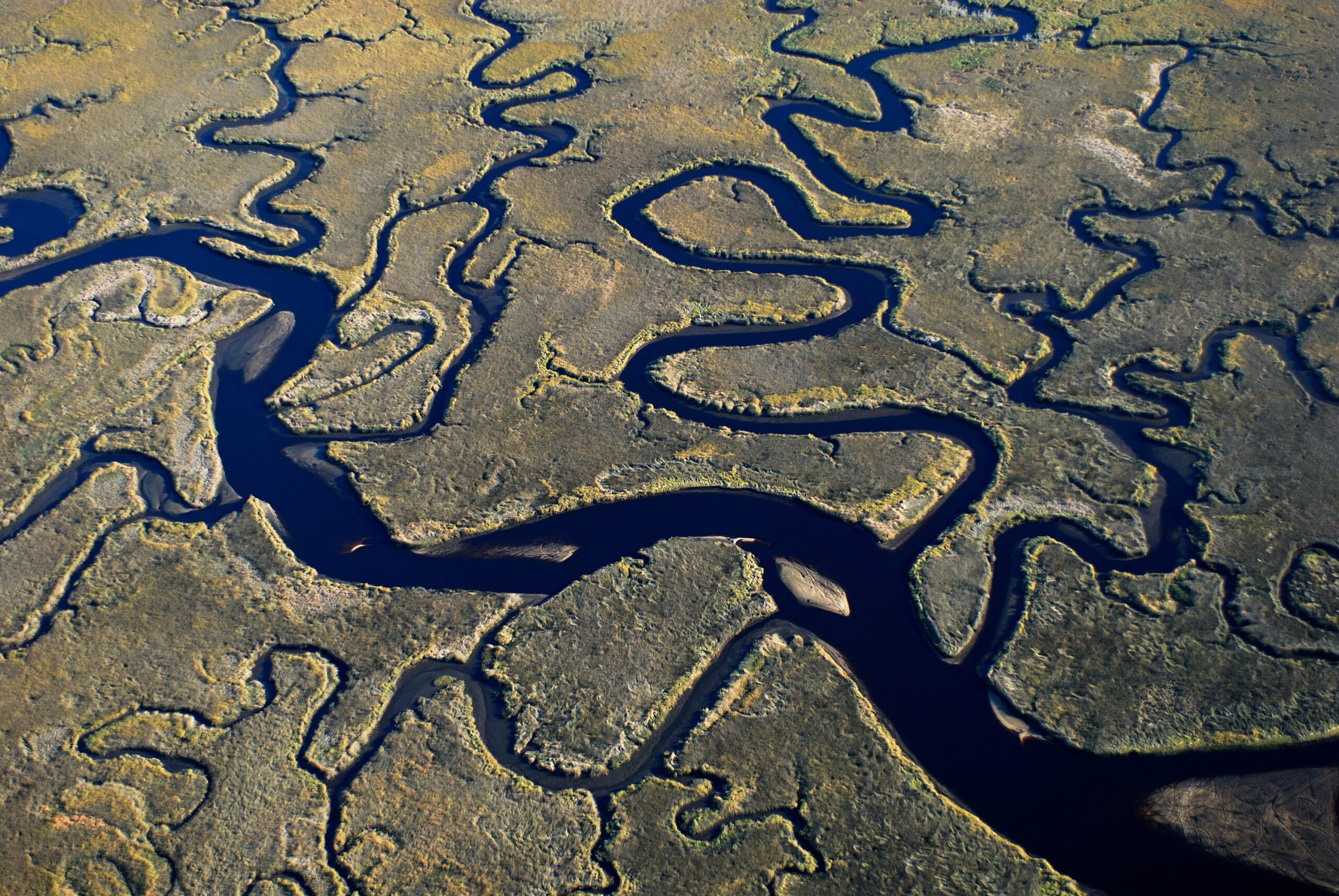
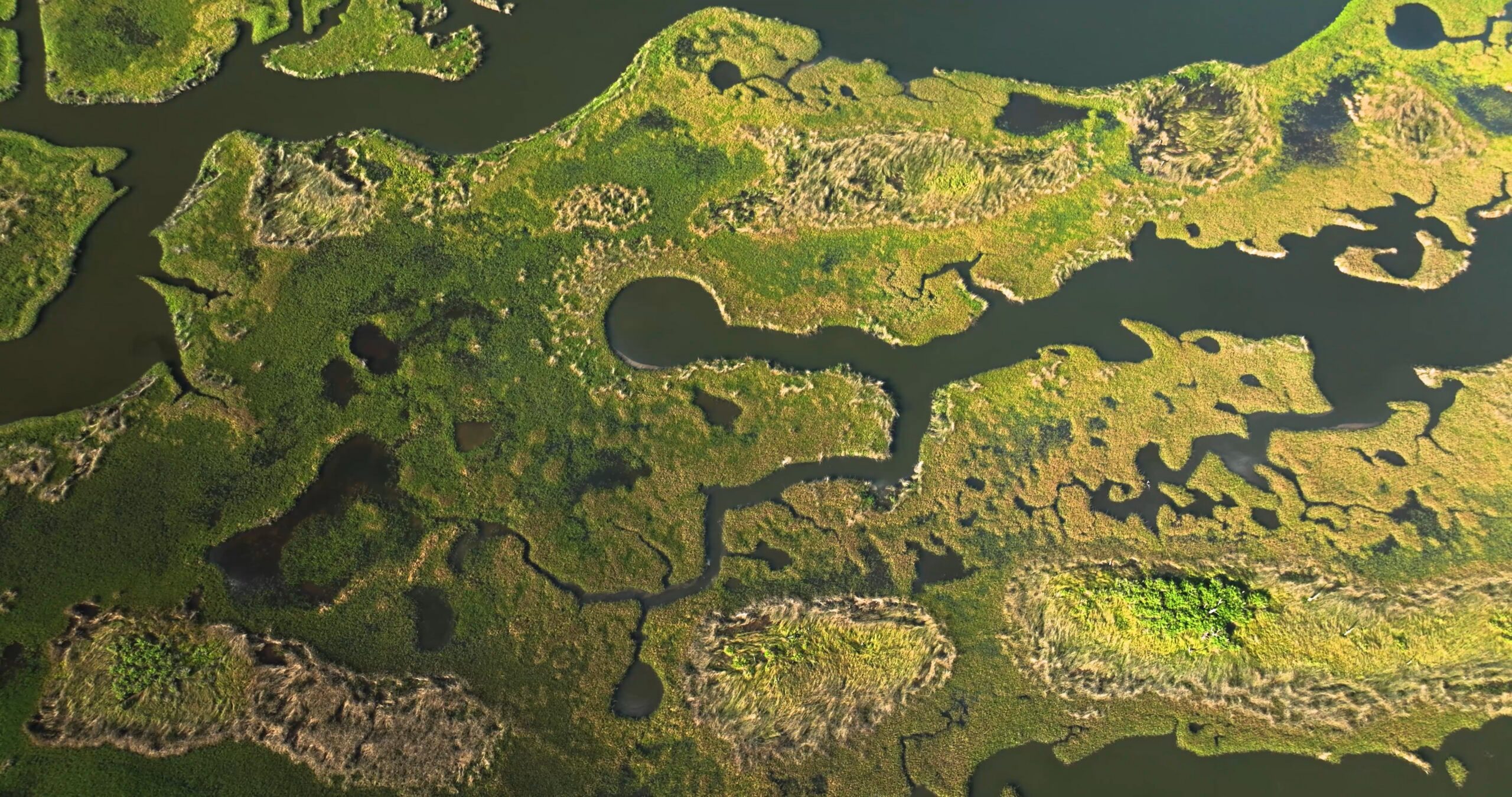
Stretching across nearly 18 million acres across, the Florida Wildlife Corridor is a connected network of public and private lands that supports wildlife movement, protects water resources, and sustains Florida’s natural and rural heritage. Anchored by iconic landscapes like Everglades National Park, Ocala National Forest, and working ranchlands in Central Florida, the Corridor provides essential habitat for endangered species including the Florida panther, black bear, and migratory birds. About 10 million acres are formally protected, while roughly 8 million acres remain unprotected, relying on private lands and conservation partnerships to maintain connectivity. These lands safeguard the headwaters of the Everglades, recharge aquifers that supply drinking water to millions of people and help reduce flooding and climate impacts. As development continues to fragment the state, protecting and reconnecting the Florida Wildlife Corridor is critical to ensuring that wildlife can move freely and that Florida’s ecosystems—and the communities that depend on them—can endure for generations.
On July 1, 2021, the Florida Wildlife Corridor was officially designated into state law.
In collaboration with Florida’s leading conservation organizations, the Florida Wildlife Corridor project was founded on Earth Day 2010 by Wildpath Founder Carlton Ward Jr. and Dr. Tom Hoctor, wildlife ecologist and director of the Center for Landscape and Conservation Planning at the University of Florida. Inspired by scientific research indicating that Florida black bears rely on a patchwork of public preserves and private farms and ranches in the Northern Everglades, the corridor aims to build a patchwork of protected public and private lands that are crucial for the survival of Florida’s iconic and declining wildlife.
Since the Florida Wildlife Corridor Act was passed in 2021, the state has invested over $2 billion in protecting over 317,000 acres across 84 properties, making the Florida Wildlife Corridor arguably the most ambitious landscape conservation plan of any U.S. state. For the latest on progress protecting the corridor, check out our <a href="https://wildpath.com/celebrating-progress/" title="media toolkits" target="_blank"media toolkits.
Achieving unanimous, bipartisan support for this critical conservation initiative is a huge win, but much work remains to ensure that the corridor is adequately protected.
Building on years of advocacy and documentation that served to build a case for legally recognizing the corridor, the Wildpath team co-wrote the Florida Wildlife Corridor Act, which was unanimously signed into law in 2021.
Wildpath laid much of the groundwork for the adoption of the Florida Wildlife Corridor Act. Since initially coming up with the corridor’s name and commissioning the first map of it in 2010 from artist Mike Reagan, Wildpath has brought together diverse conservation, agricultural and political organizations and leaders to create the Florida Wildlife Corridor movement. In 2012, Wildpath led the first expedition across the corridor — from the Everglades to Georgia’s Okefenokee Swamp — using storytelling to reveal the connectivity that scientists already knew existed between Florida’s unique ecosystems. Wildpath also founded the non-profit organization that eventually became the Florida Wildlife Corridor Foundation in 2013, and made a series of films — including “Saving the Florida Wildlife Corridor,” “Path of the Panther,” “Florida Bear Tracks” and “The Little Brown Bird” — that aim to spread the word about how protecting the corridor is essential to ensure that wild Florida doesn’t disappear.
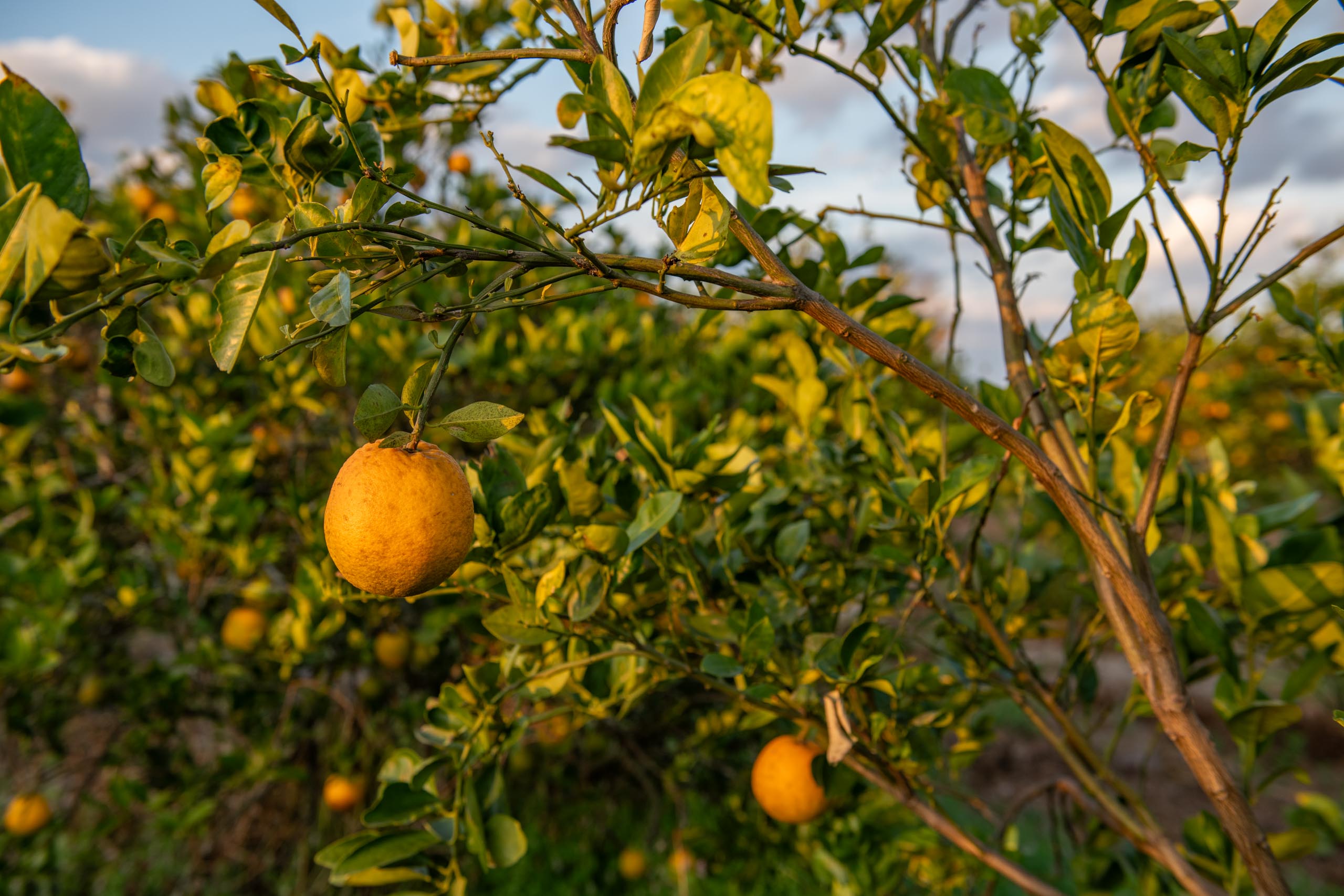
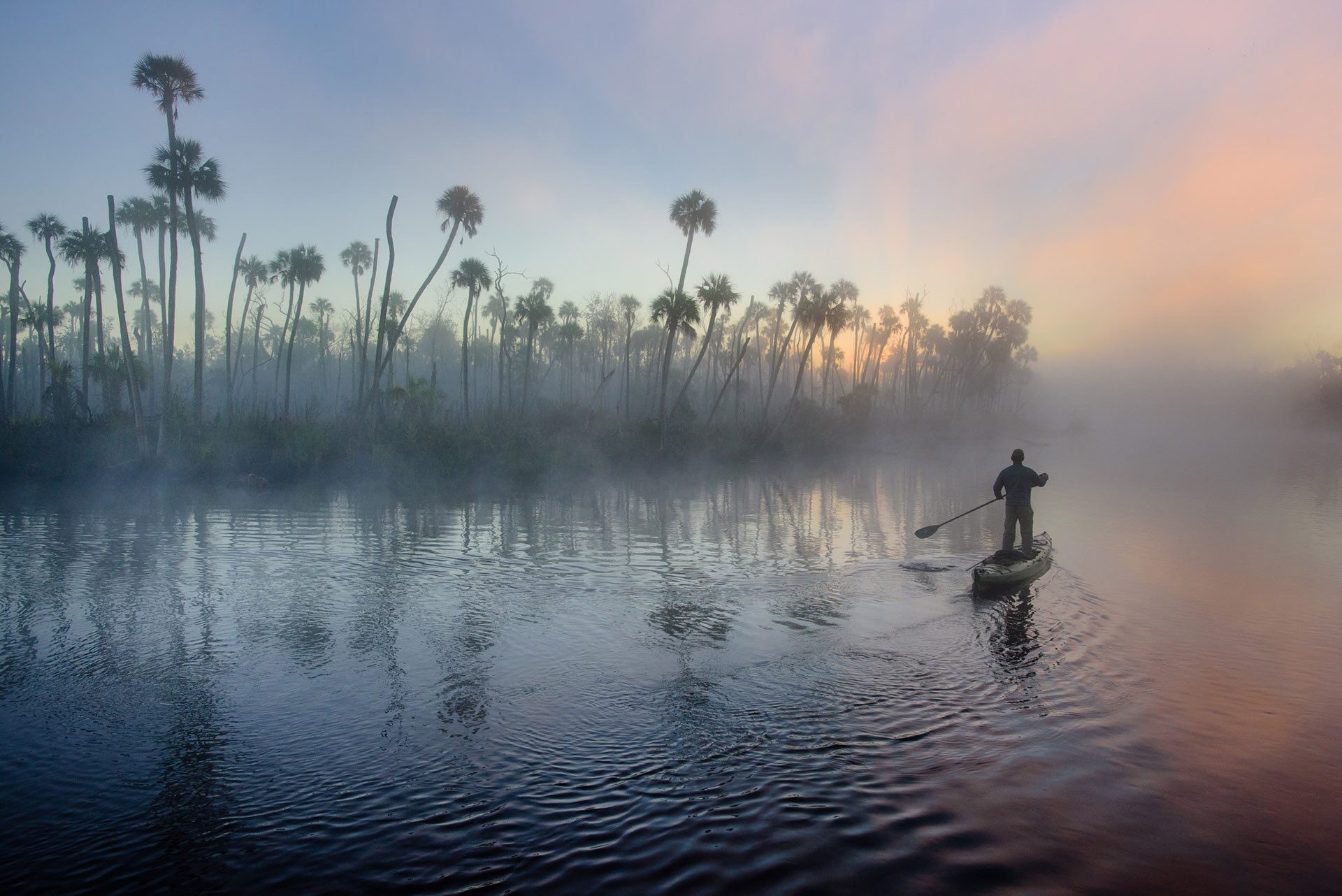
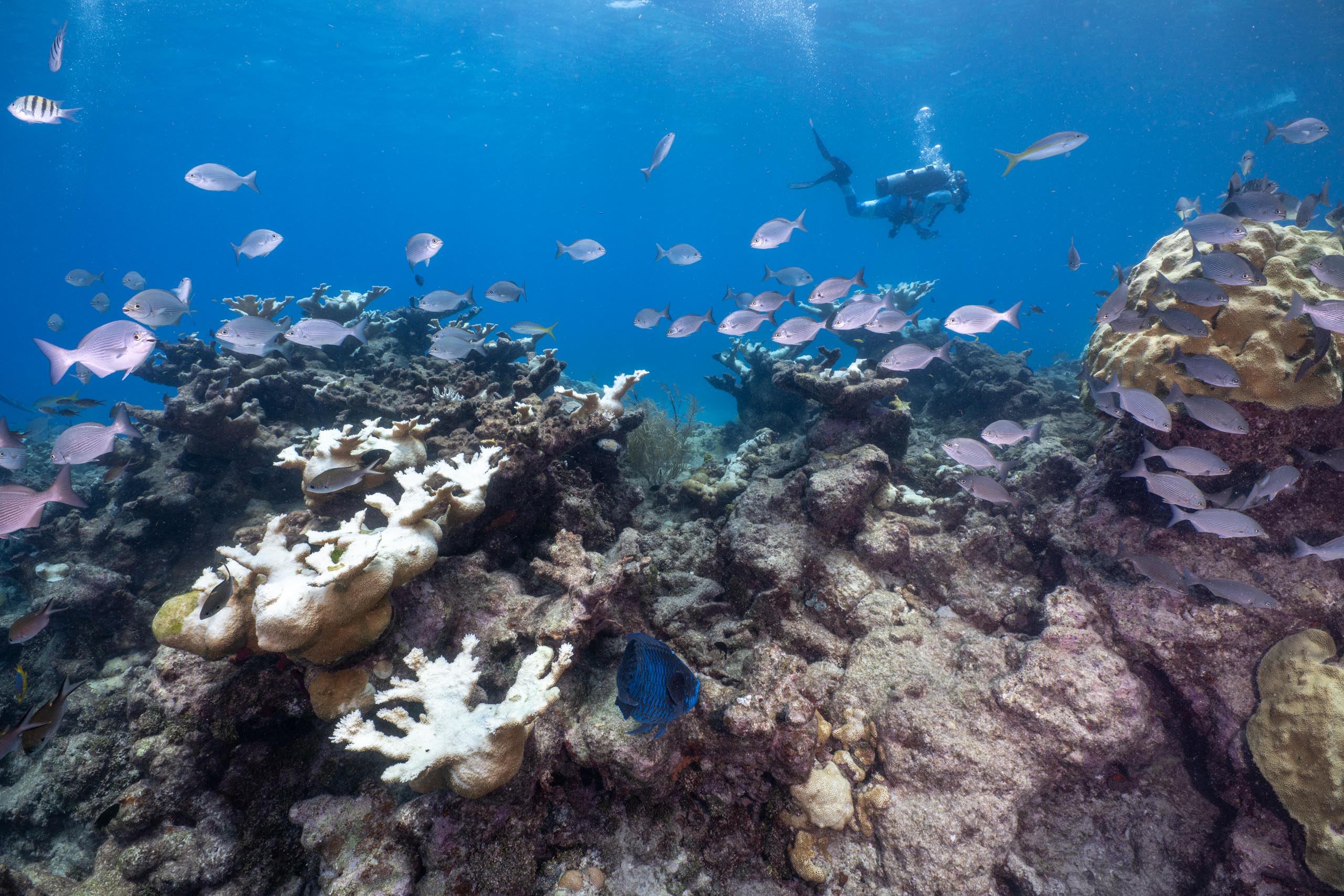
Since the act was passed in 2021, Wildpath has continued to build support for the corridor’s expansion. In addition to commissioning the official painting of the Florida Wildlife Corridor map and collaborating with National Geographic on a detailed interactive map that students can explore, Wildpath has created a system to photograph and film every property protected in the Florida Wildlife Corridor since 2021. So far Wildpath has sent xx photographers on assignment to xx properties representing xxx,xxxx acres. These visuals are compiled into media toolkits to celebrate progress made so far and encourage more landowners and other stakeholders to get involved.