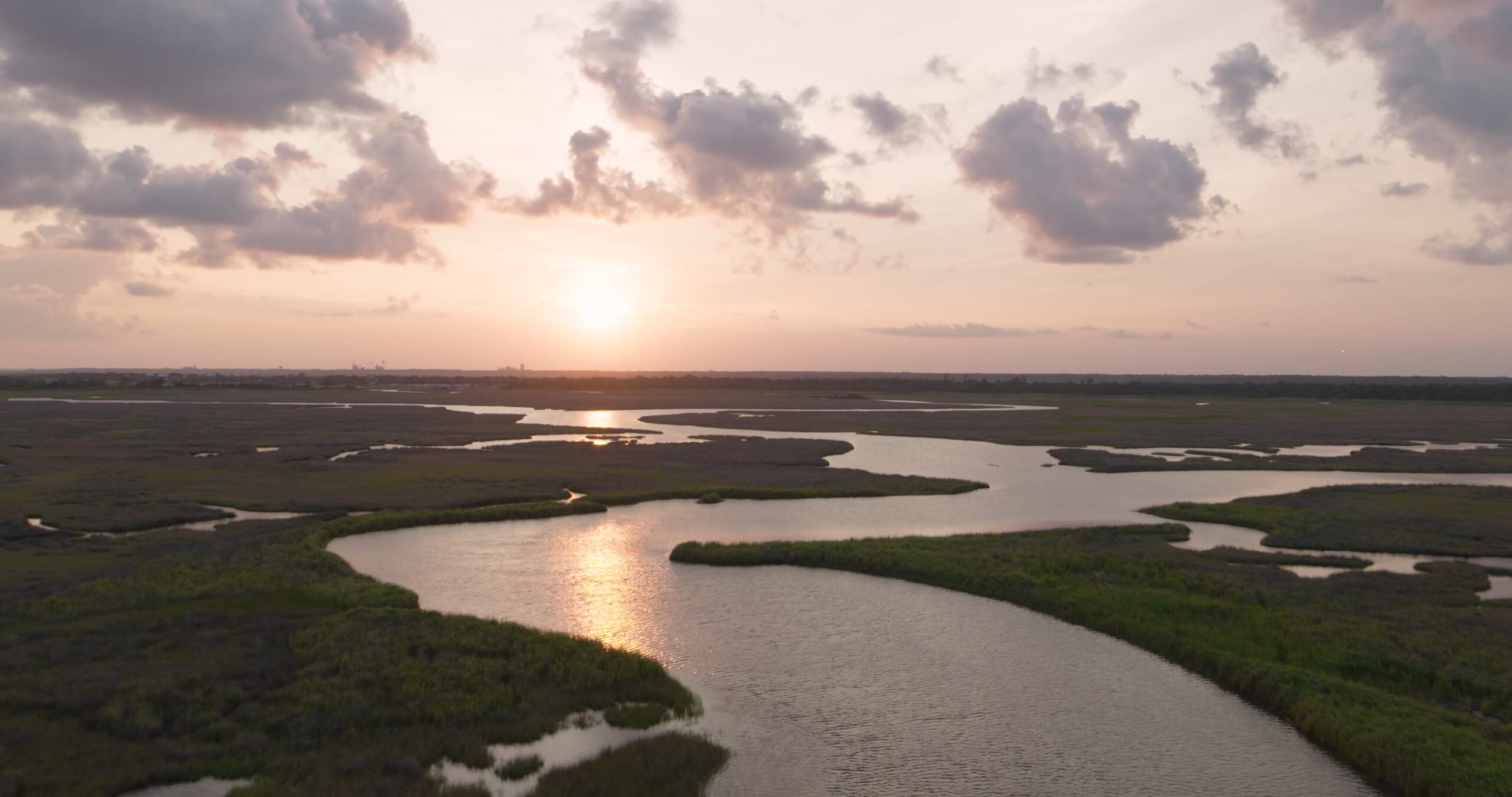
Efforts to Save North America’s Most Endangered Bird Are Succeeding

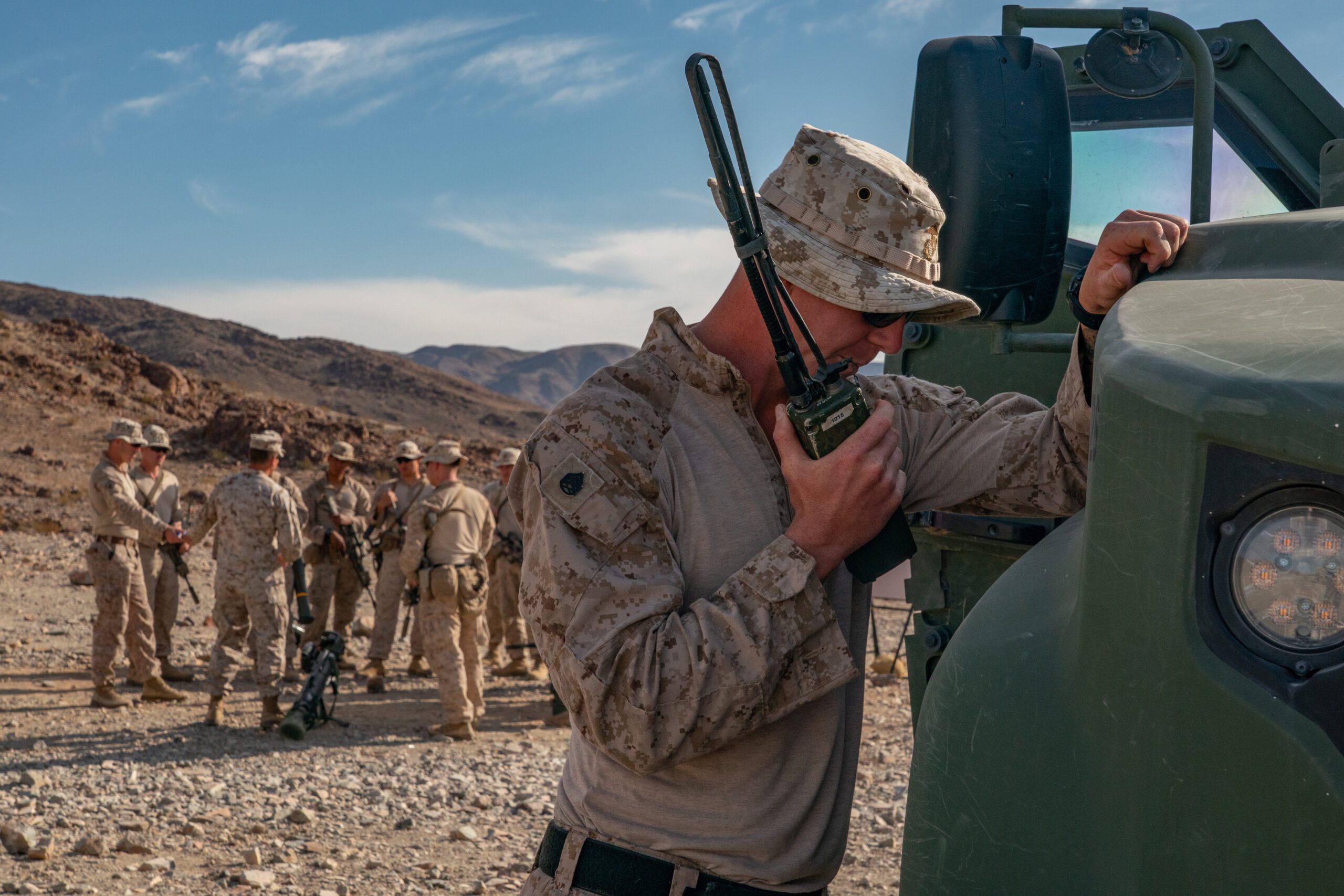
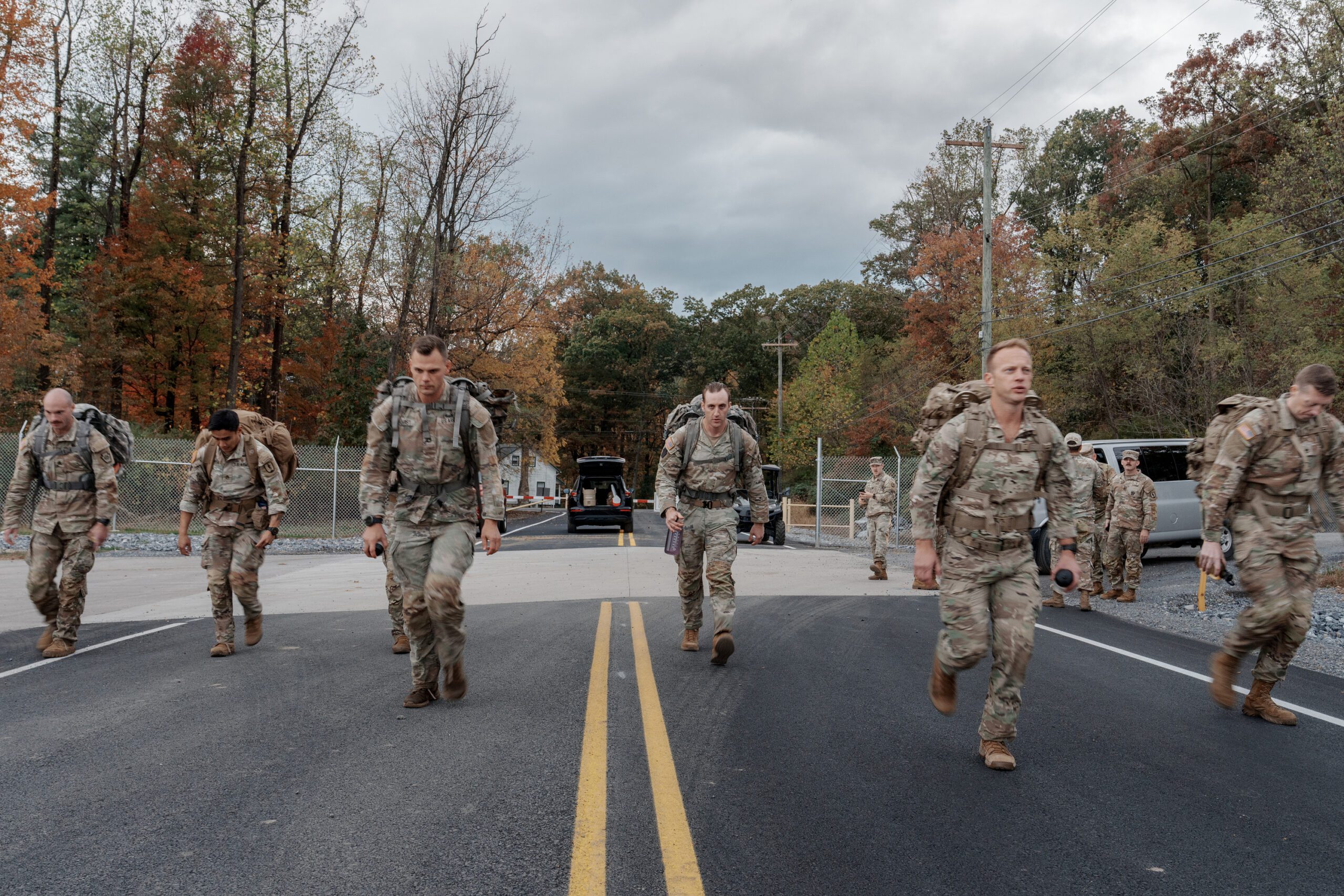
Anchored by at least one active military installation or training range, Sentinel Landscapes serve as vital buffers that support military readiness while protecting some of the nation’s most important natural and cultural resources. These landscapes safeguard essential wildlife habitat, water sources, carbon-storing ecosystems, and cultural heritage—making them critical to both national security and landscape-scale conservation. Most land within Sentinel Landscapes remains privately owned and continues to support local livelihoods through working ranches, farms, and forests. This creates a unique opportunity for landowners, the military, and conservation partners to work together to protect natural resources while strengthening ecosystem resilience and sustaining working lands
Wildpath is working to tell powerful stories of how conservation efforts within Sentinel Landscapes aim to simultaneously address defense, agriculture, and conservation needs.
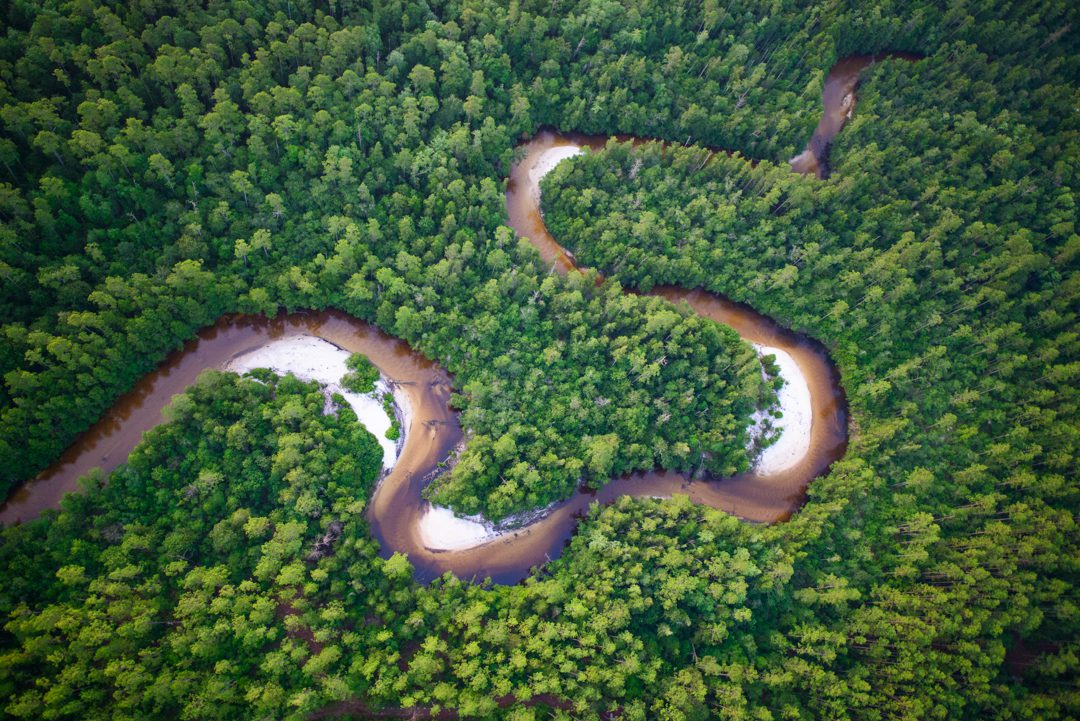
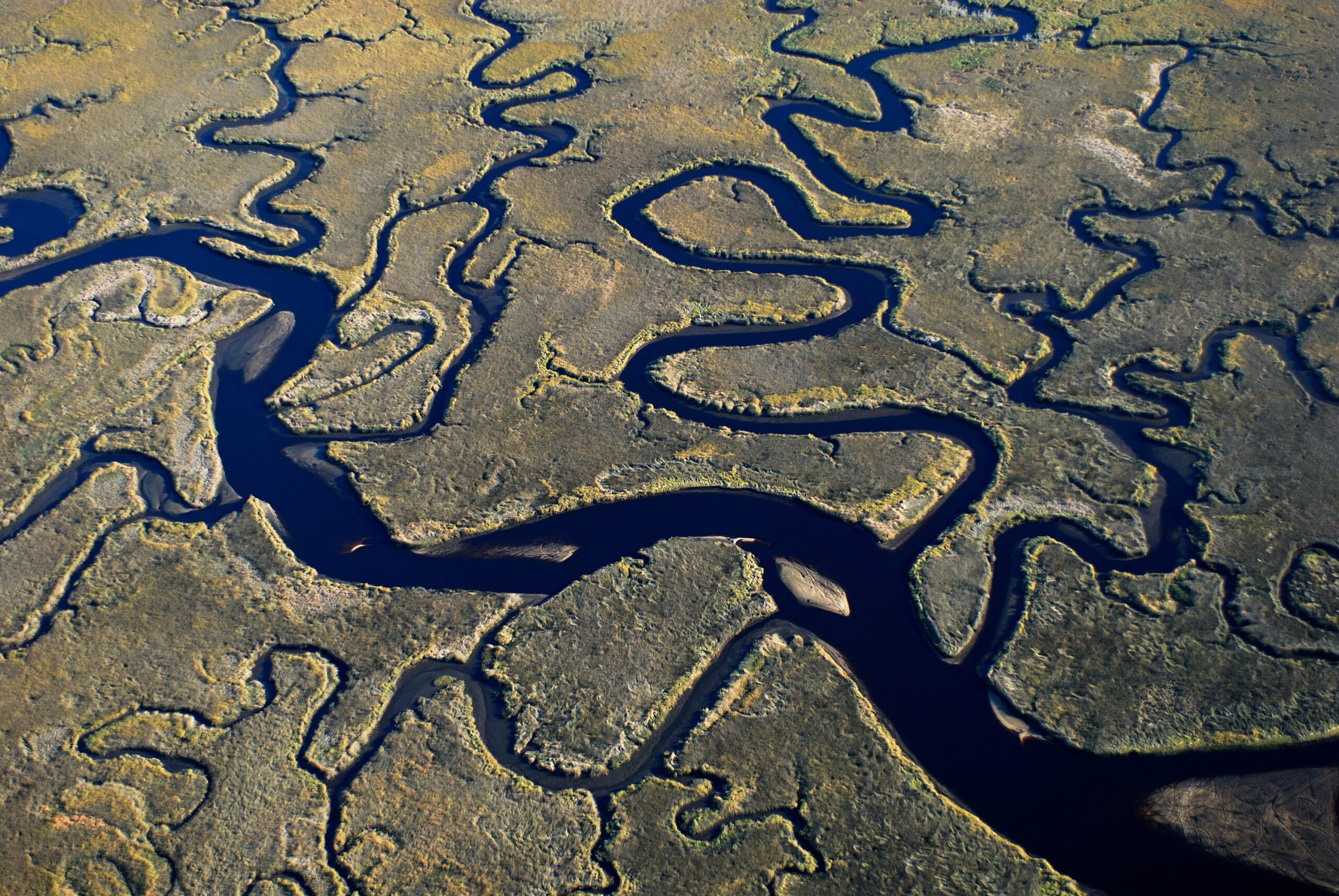
Designated through a formal partnership between the Department of Defense, the U.S. Department of Agriculture, and the U.S. Department of the Interior, there are currently 19 Sentinel Landscapes spread across parts of 18 states and the U.S. territory of Guam. Many Sentinel Landscapes overlap places where wildlife move between protected areas, helping species migrate and adapt as conditions change; as a result, many of these lands provide the framework for state and regional wildlife corridors throughout the United States.
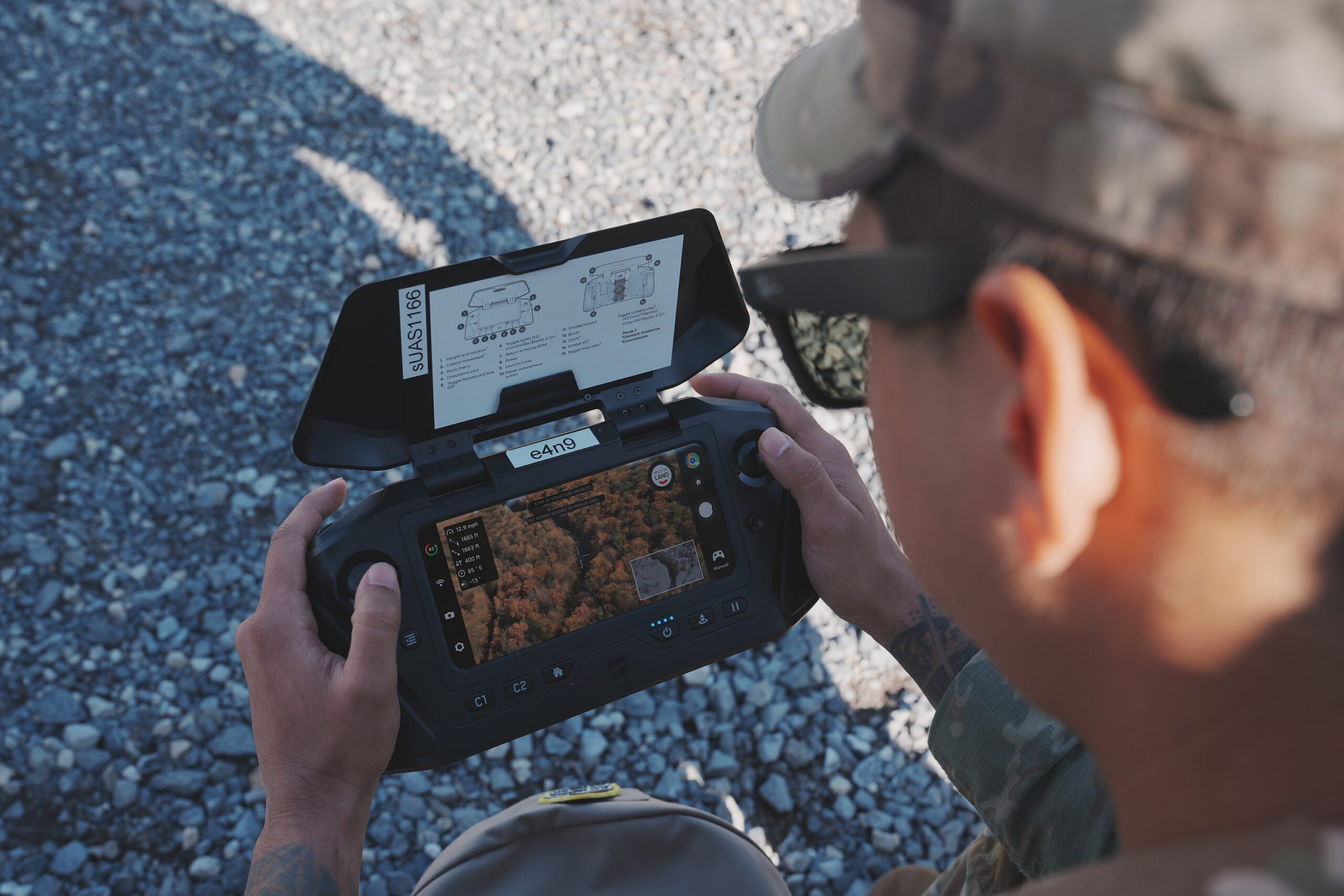
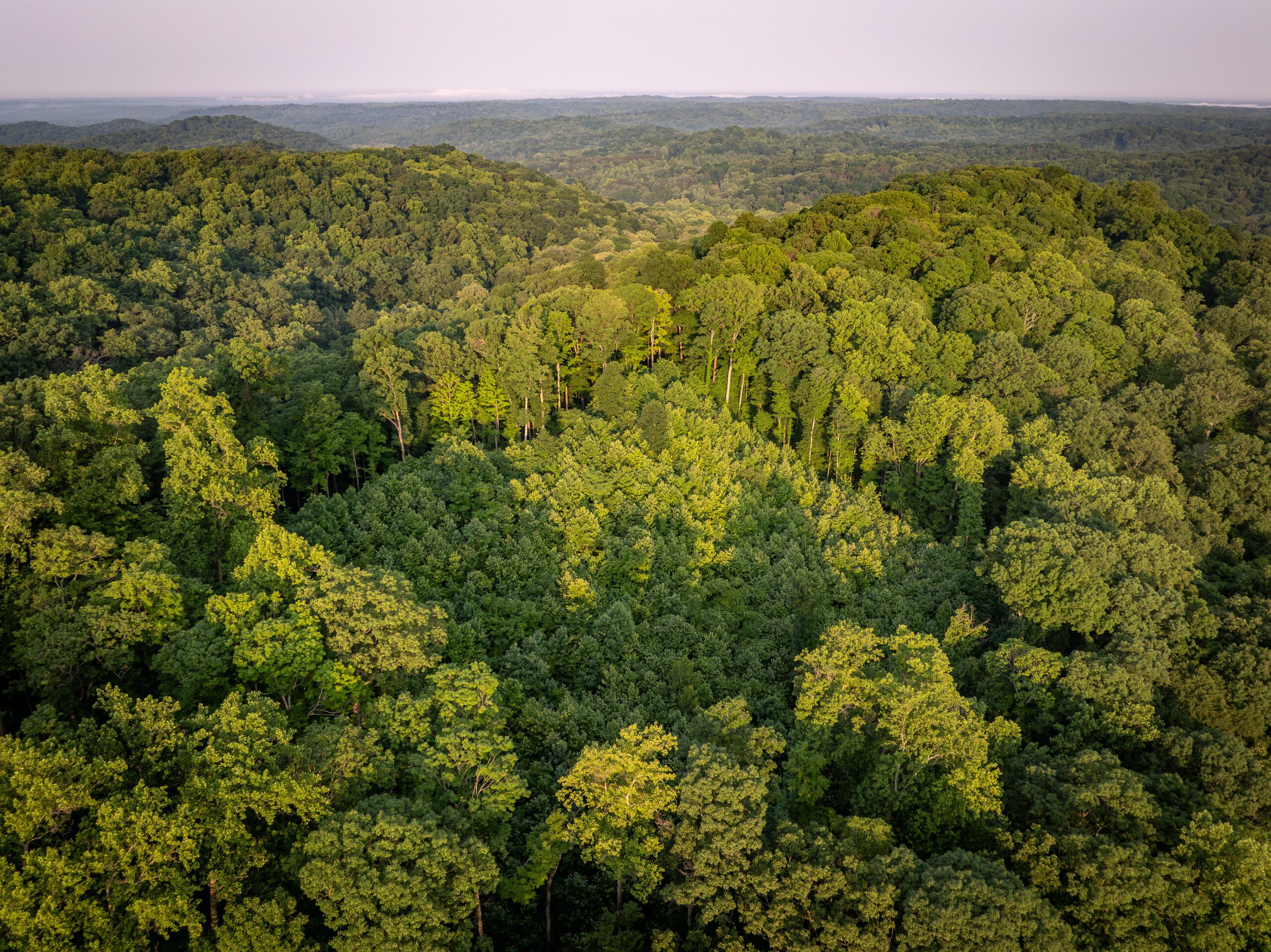
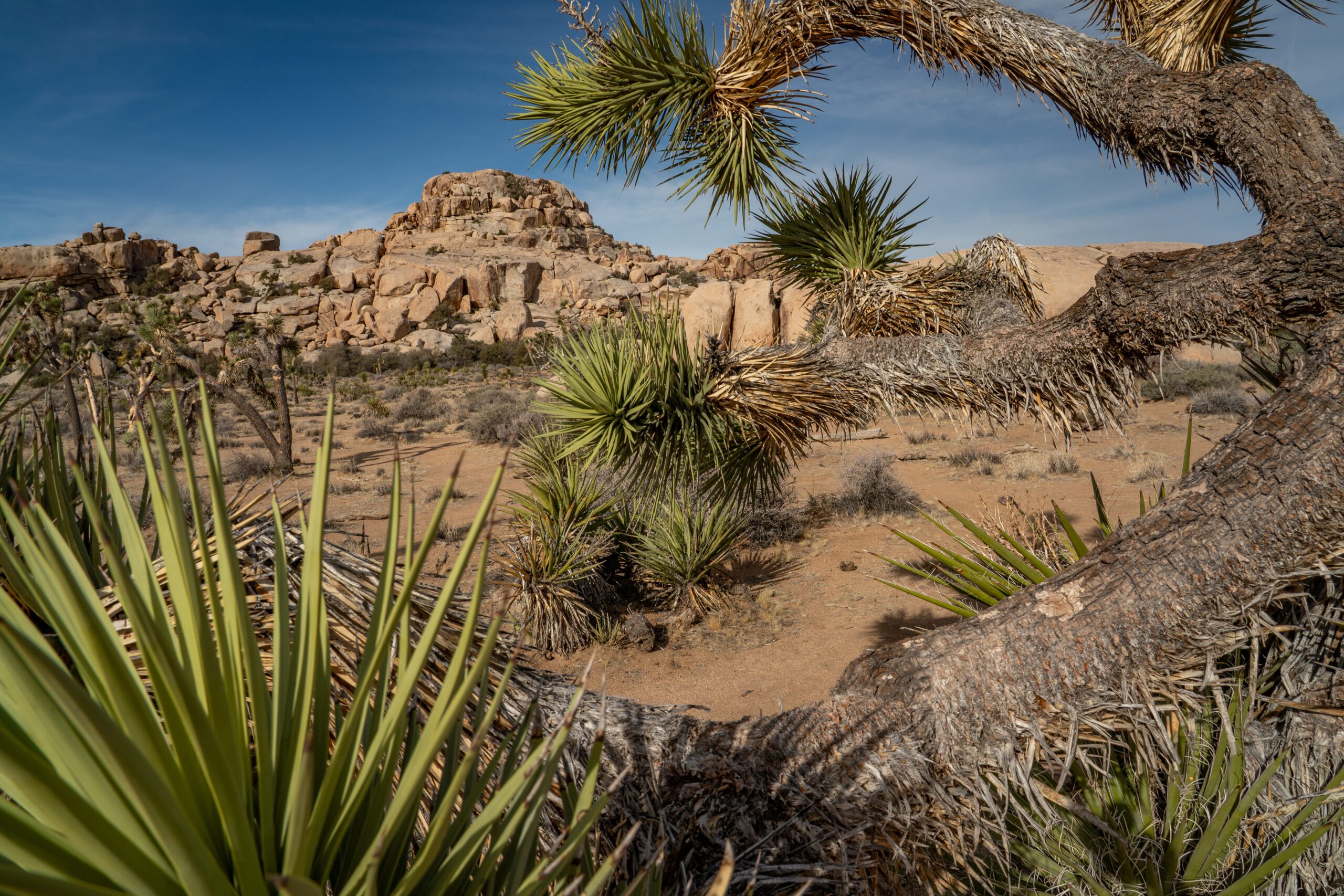
Wildpath is working with the Department of Defense’s Readiness and Environmental Protection Integration (REPI) Program team to document Sentinel Landscapes across the country. In 2025, we identified six Sentinel Landscapes to cover in depth: California’s Mojave Desert; Georgia; southern Indiana; Middle Chesapeake in Maryland, Virginia and Delaware; New Jersey’s Kittatinny Ridge in New Jersey and Pennsylvania; and Avon Park, Florida.
In each of these places, Wildpath is collaborating with each Landscape’s coordinators, local partners, and military personnel to produce photography, video, and storytelling that illustrates how conservation and defense align. We are assigning National Geographic Explorers and contributing photographers to capture the people, wildlife and places that make these landscapes irreplaceable.
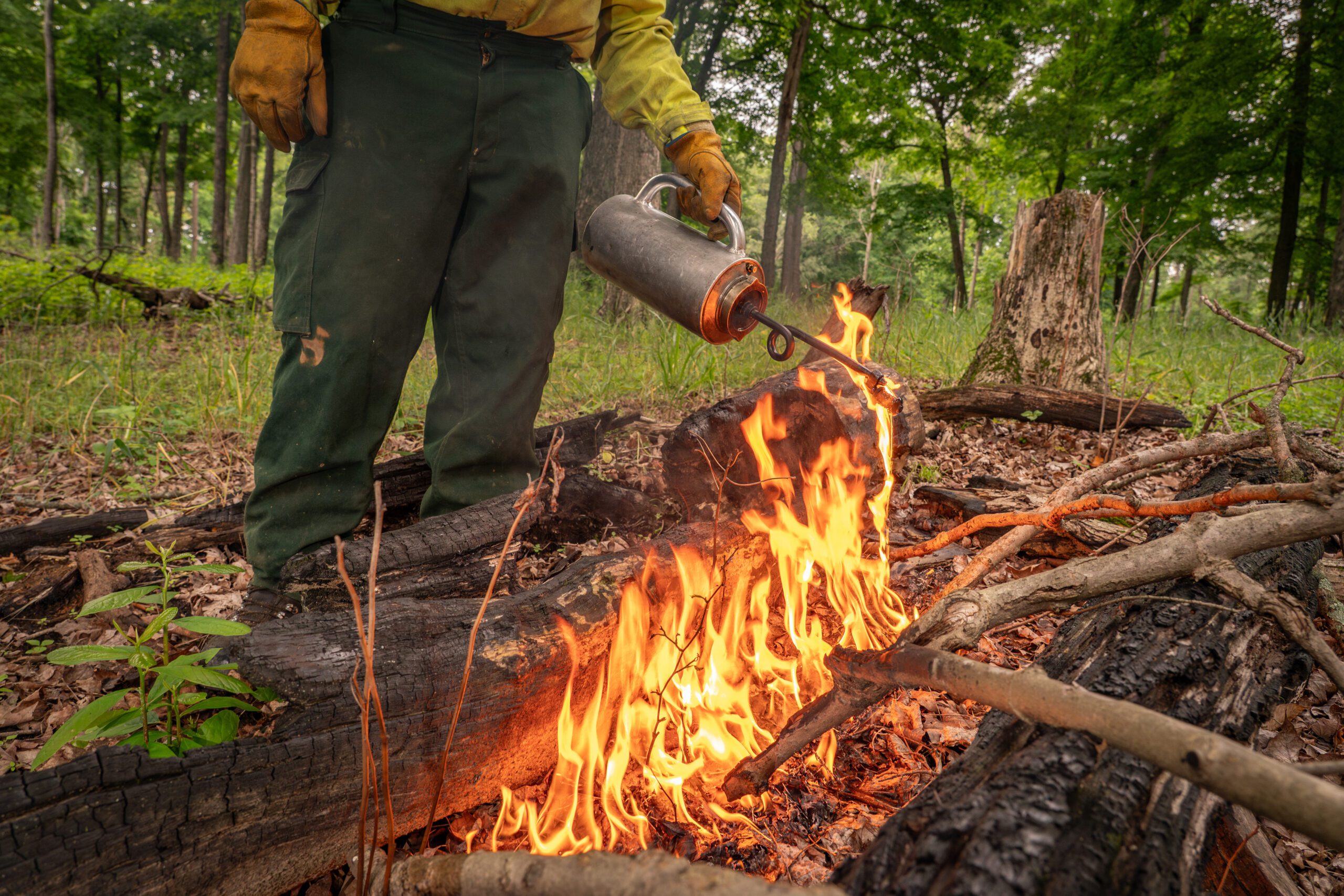
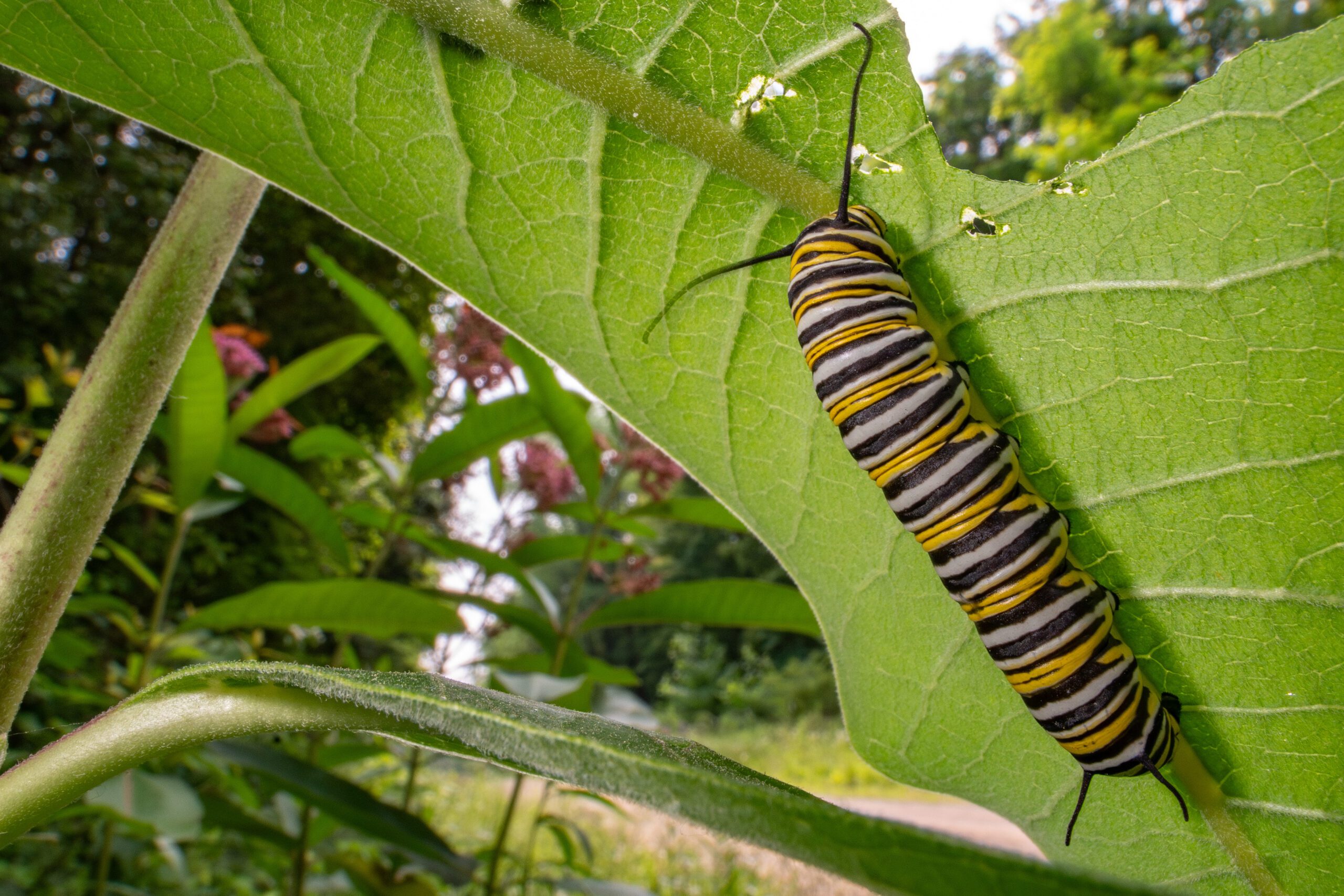
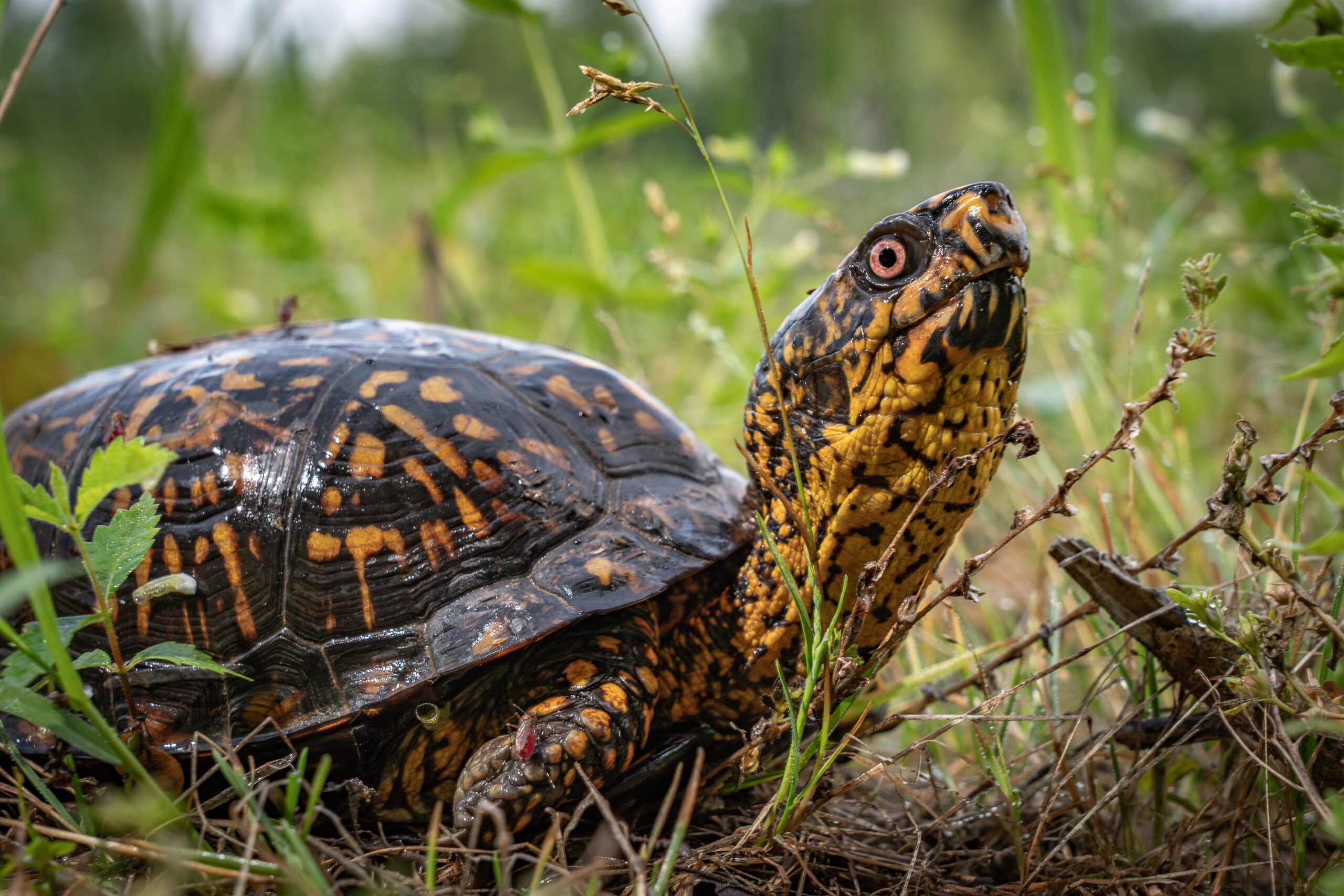
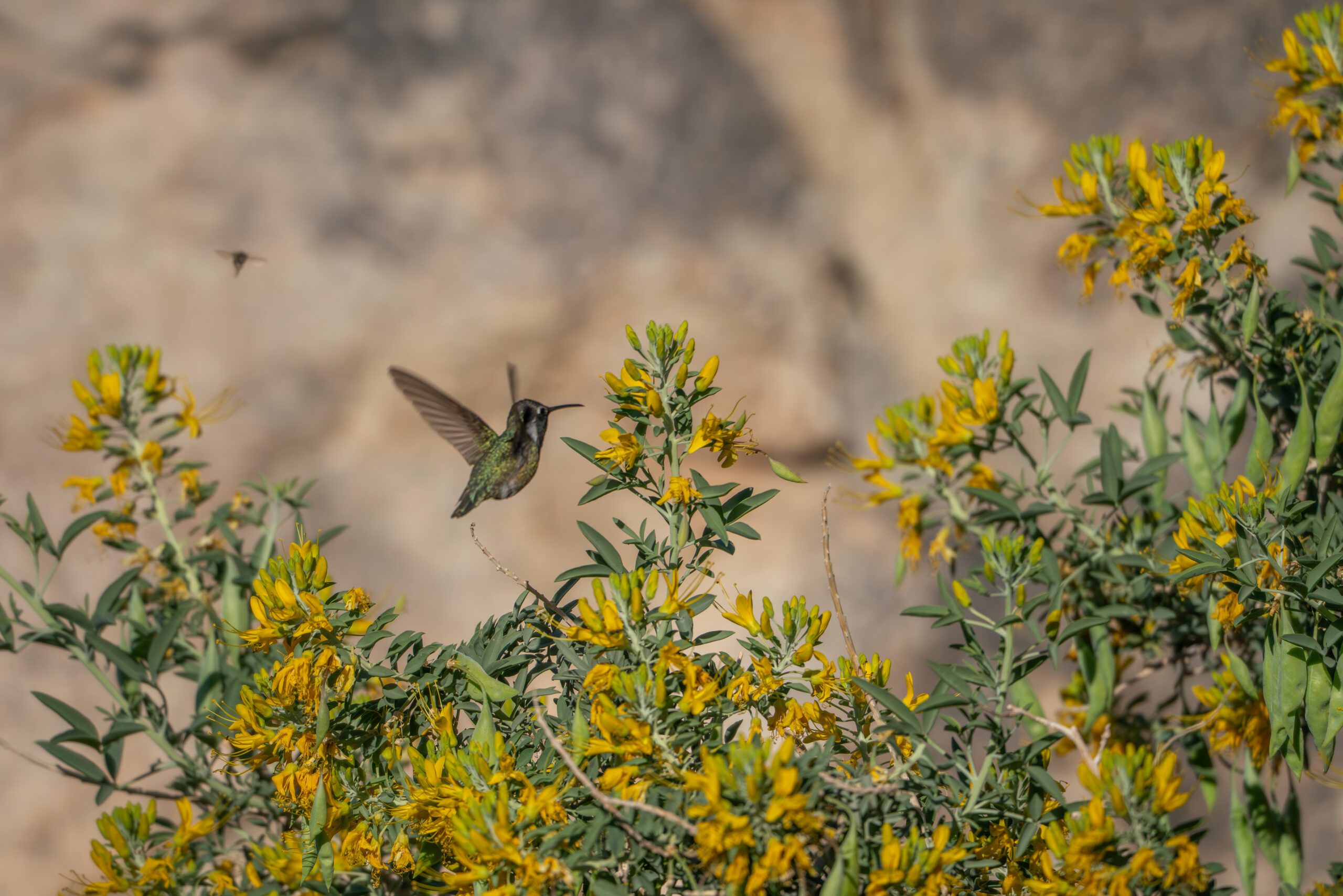
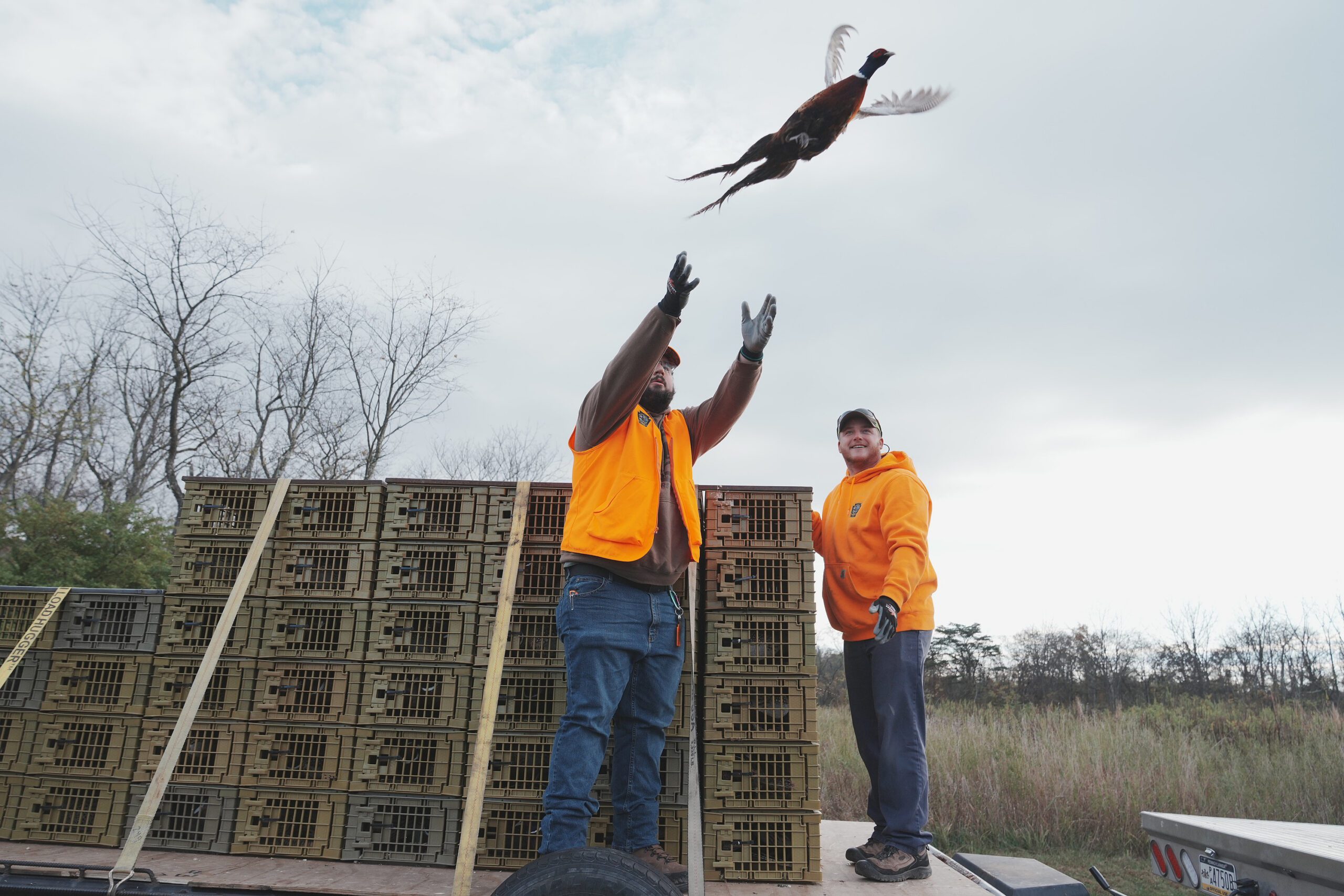
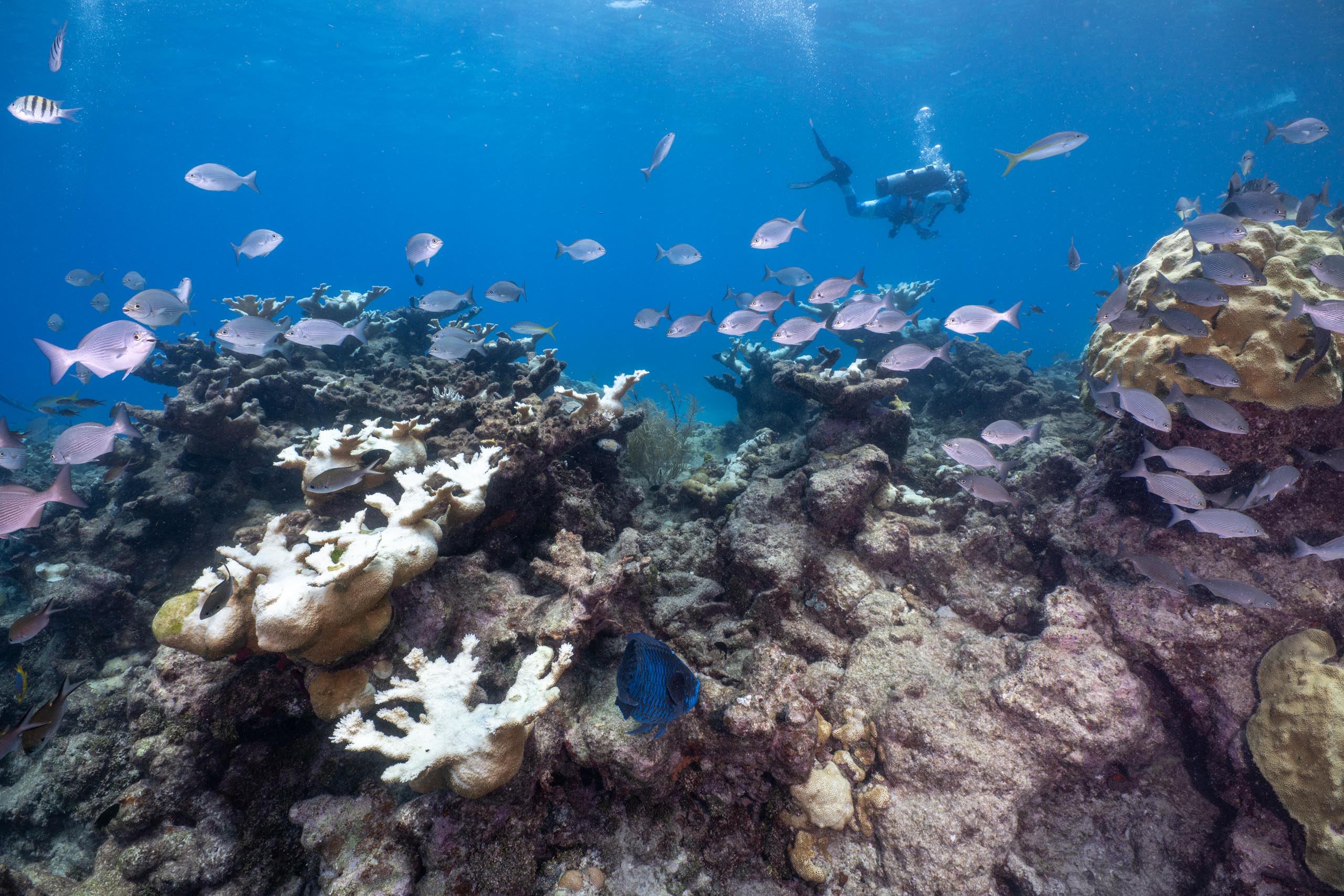
We’ll be covering stories on endangered and iconic wildlife, landscape-scale conservation, and Tribal and community cultural heritage; key partnerships, such as among private landowners, conservation organizations, and military teams; how protected sentinel landscapes contribute to climate resilience and military readiness; and how they connect to larger wildlife corridors.
By using storytelling to demonstrate how collaborative land stewardship strengthens climate resilience, water security and habitat connectivity, Wildpath intends to build awareness of sentinel landscapes as a model for aligning conservation, agriculture and defense priorities, and ultimately inspire long-term, landscape-scale conservation.
In Florida, two sentinel lands have officially become part of the Florida Wildlife Corridor: Avon Park Air Force Range and northwest Florida (surrounding Eglin Air Force Base), which together account for more than 10 million acres of lands prioritized for conservation. This achievement demonstrates how strategic protection supports both wildlife and national security.
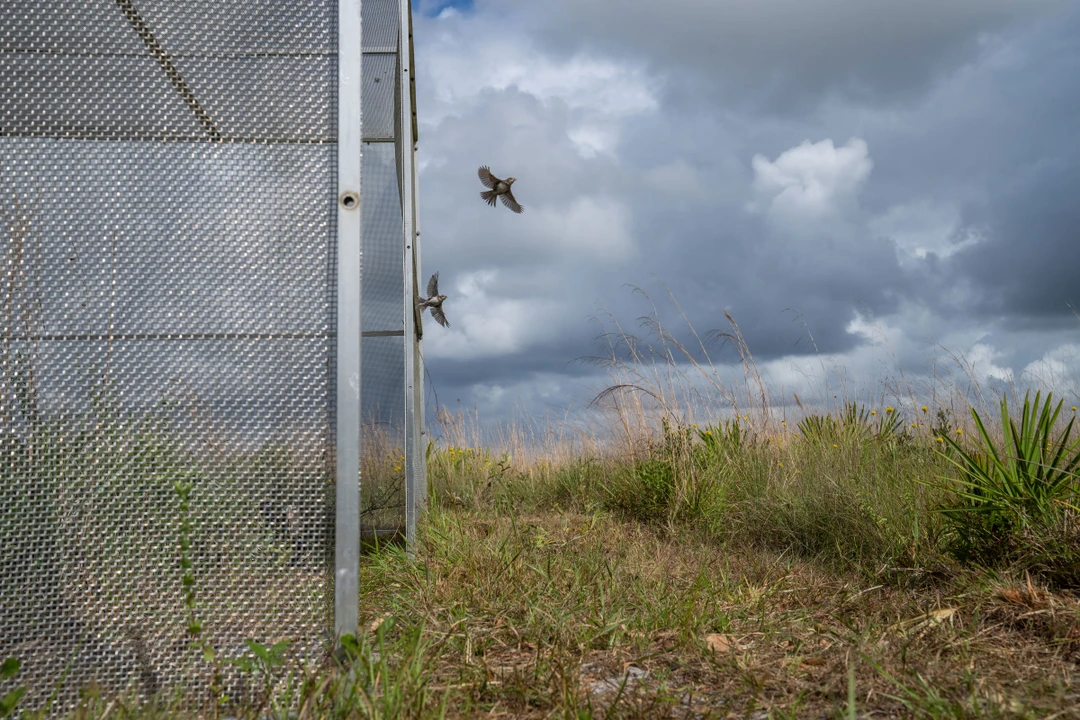
By showcasing the conservation and defense benefits of sentinel landscapes through our multimedia storytelling campaigns, Wildpath’s work is laying the groundwork to expand national understanding of the importance of Sentinel Landscapes and how they function. For example, our film “The Little Brown Bird,” documents the role that Avon Park has played in supporting the slow recovery of the country’s most endangered songbird.