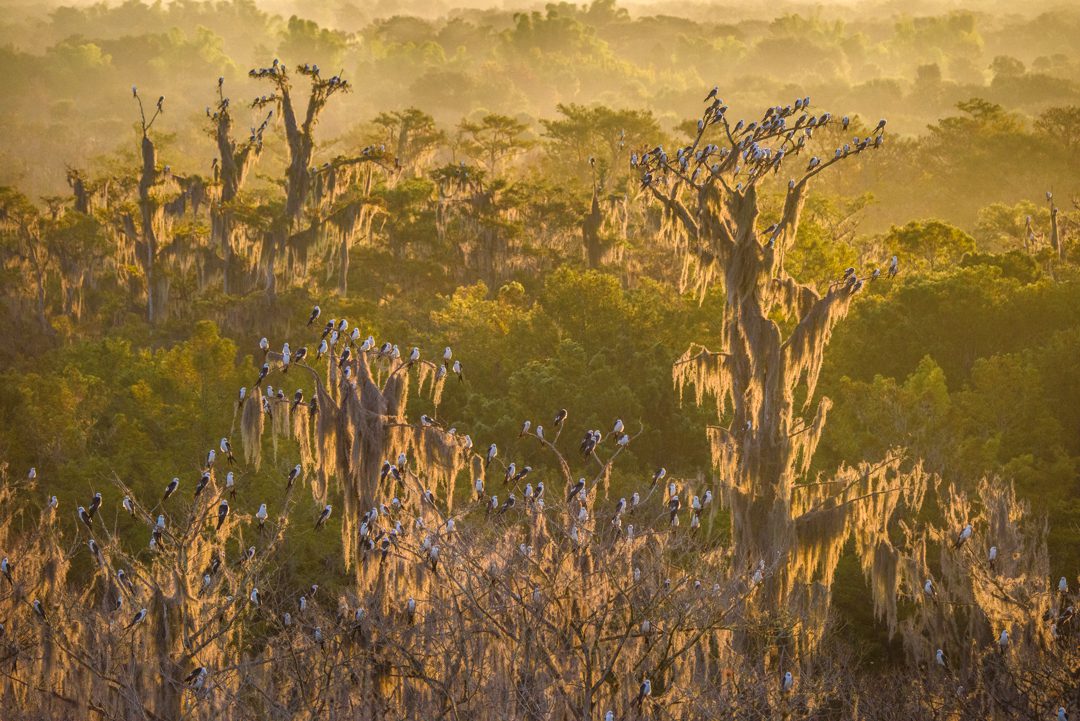
These Photos Reveal the Pollination Secrets of Florida’s Most Elusive Flower
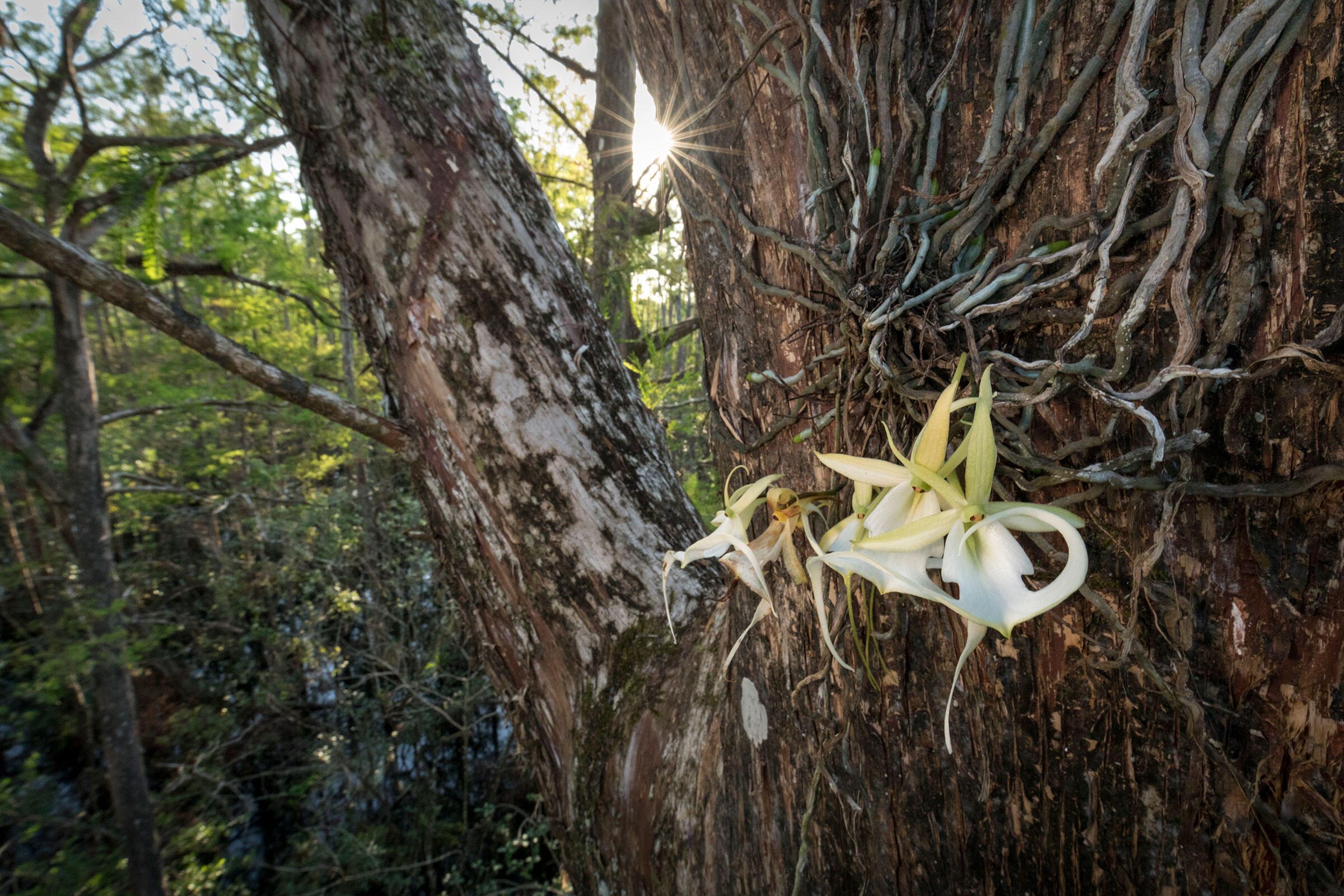


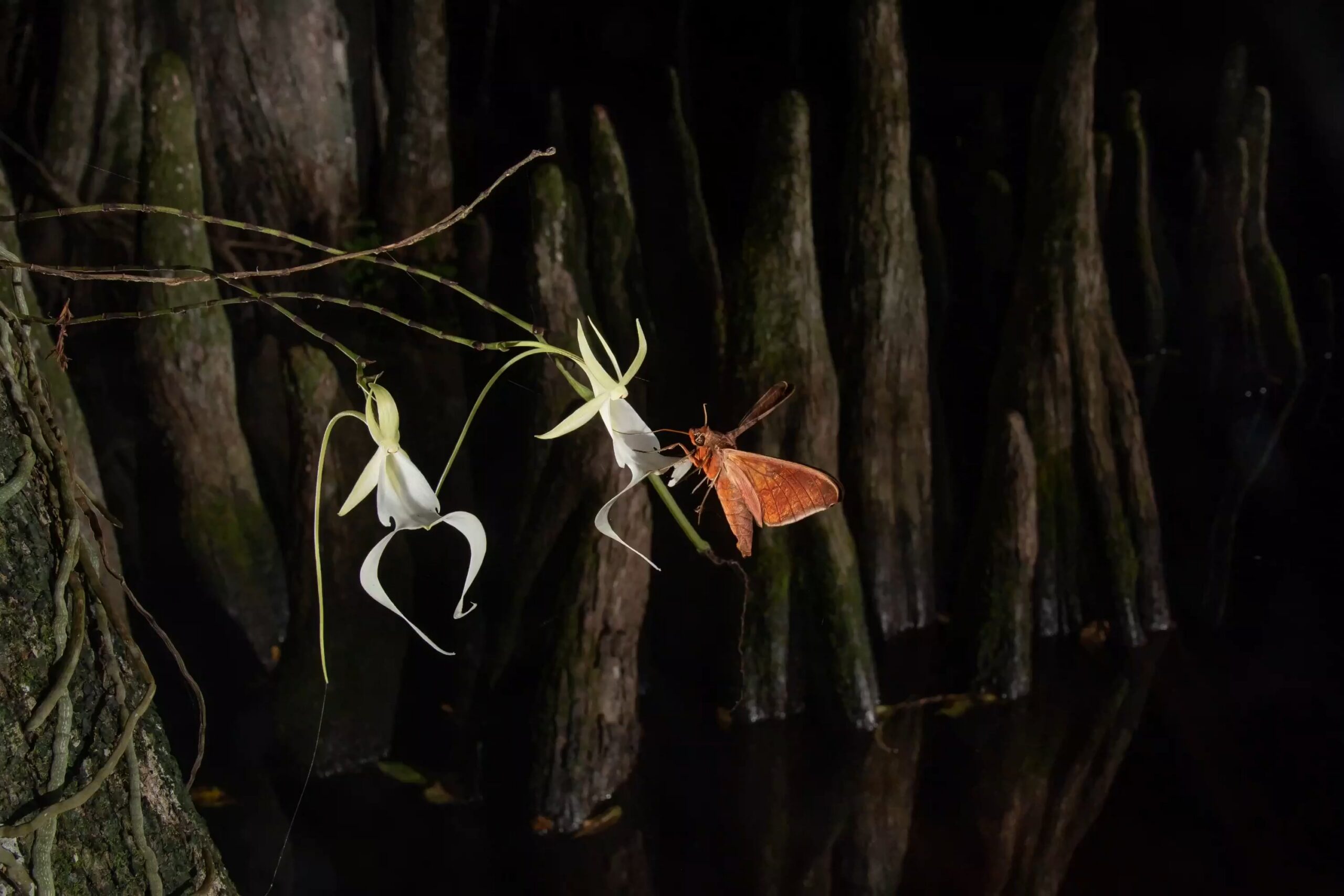
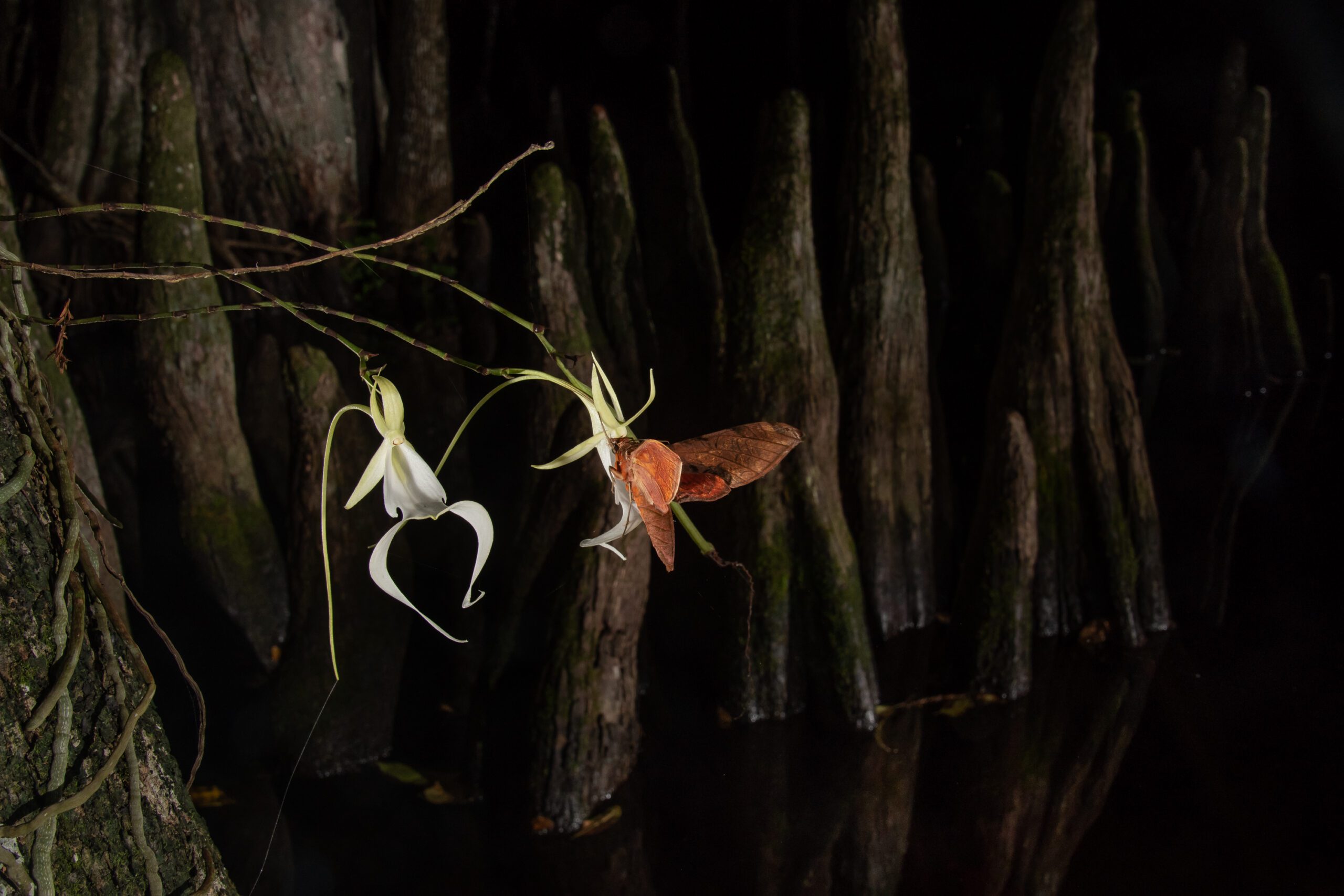
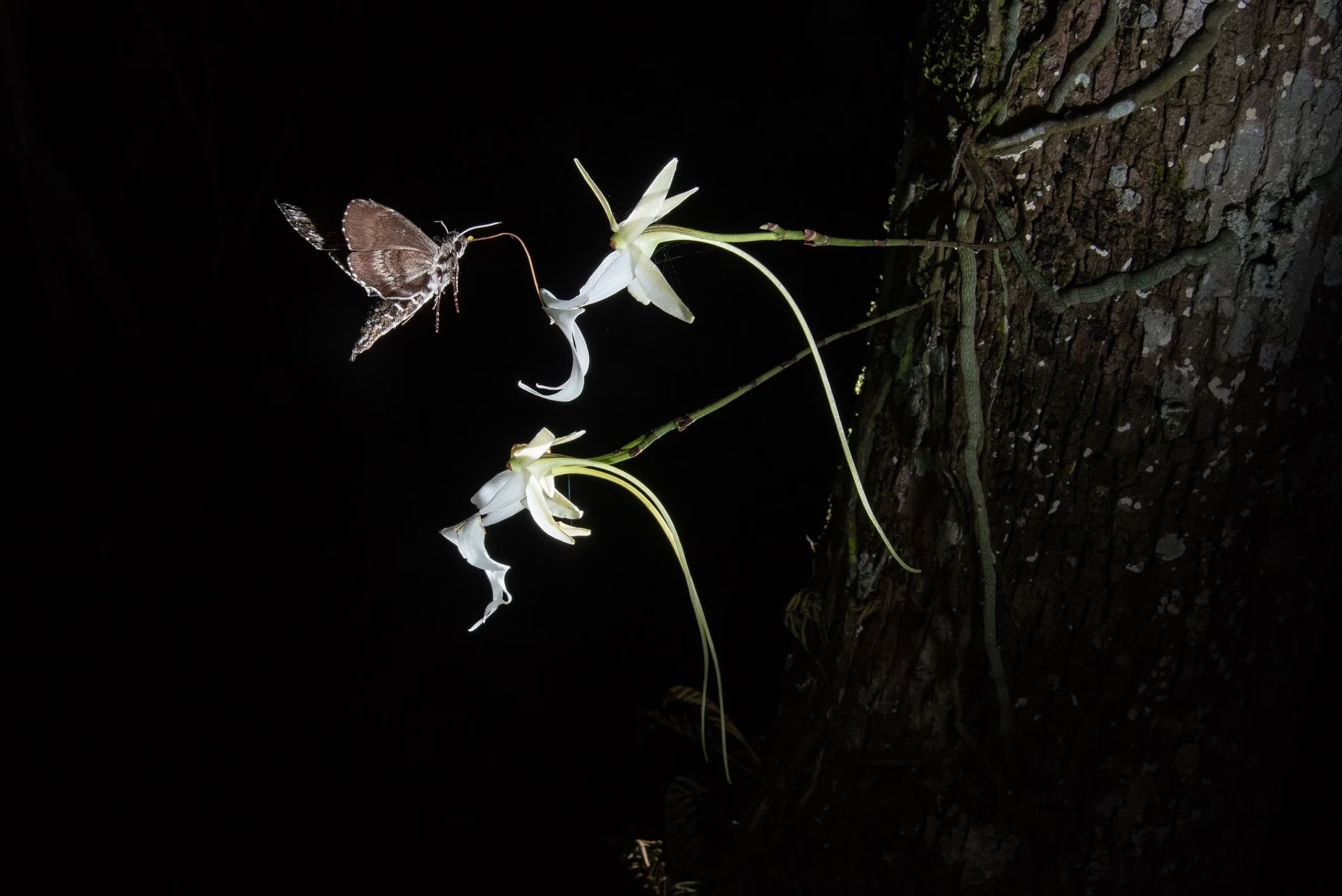
Deep in the flooded forests of the Everglades, two photographers set out on a three-year quest to use camera traps to capture the first conclusive evidence of what pollinates the elusive ghost orchids. What they discovered was a surprise to science.








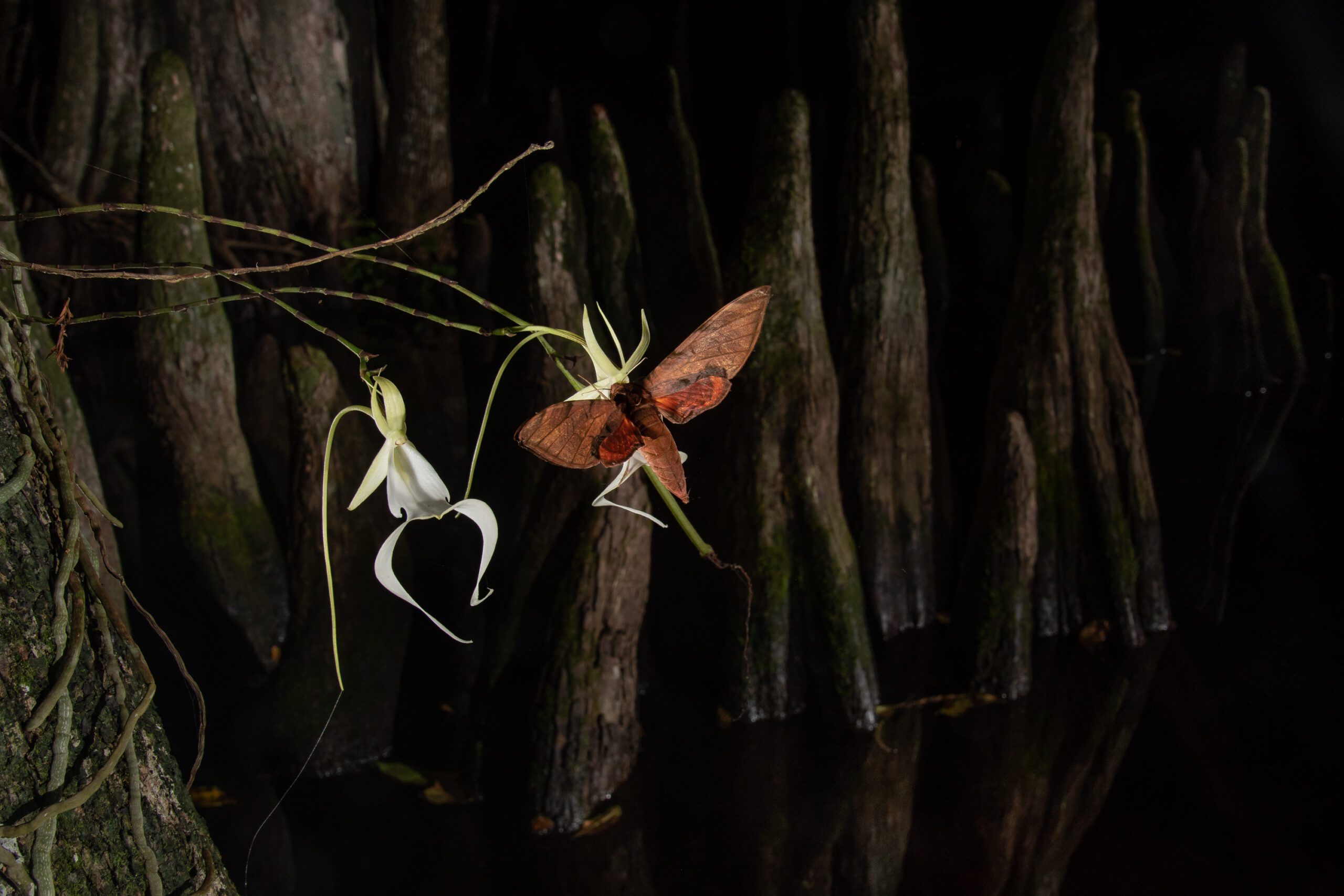
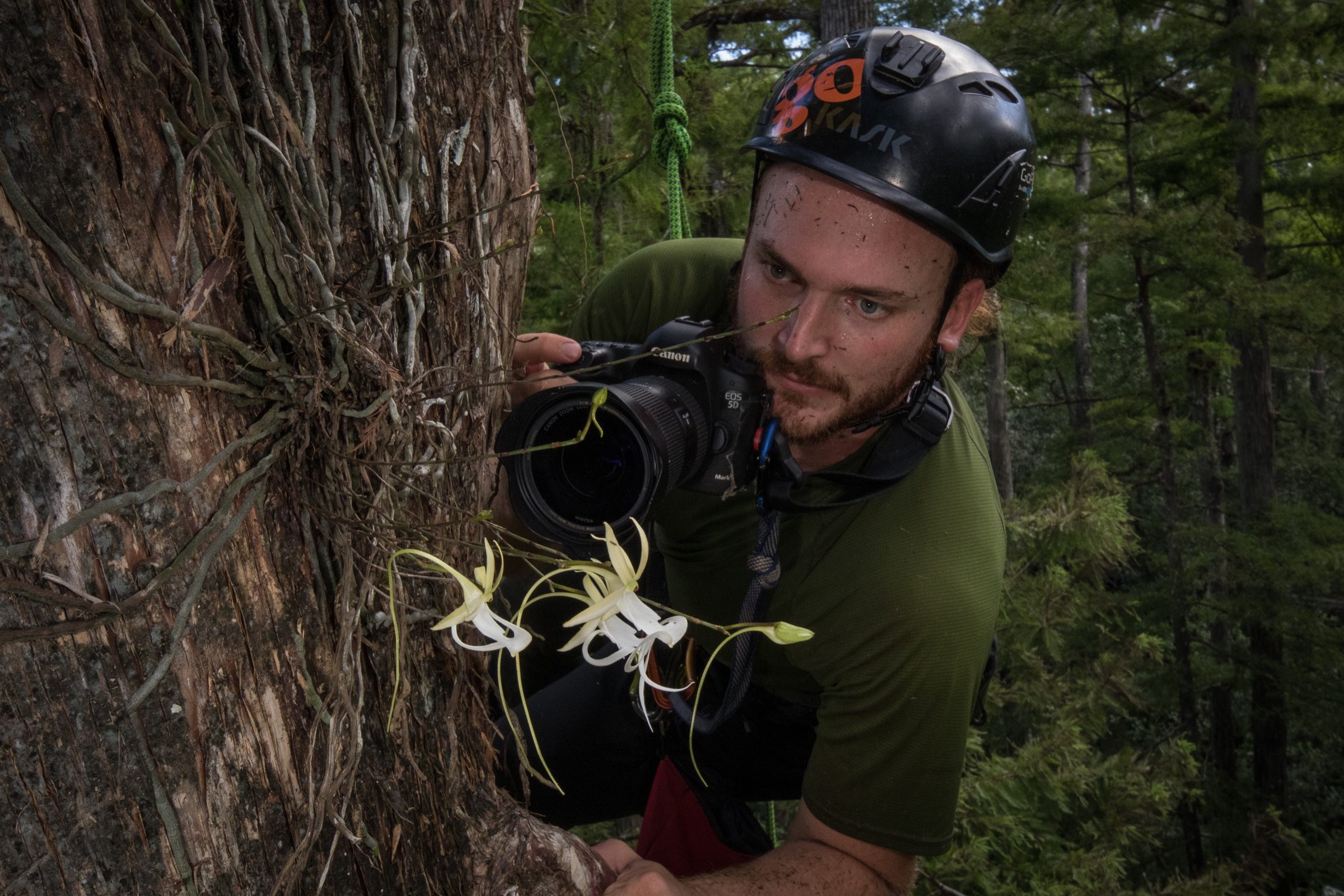
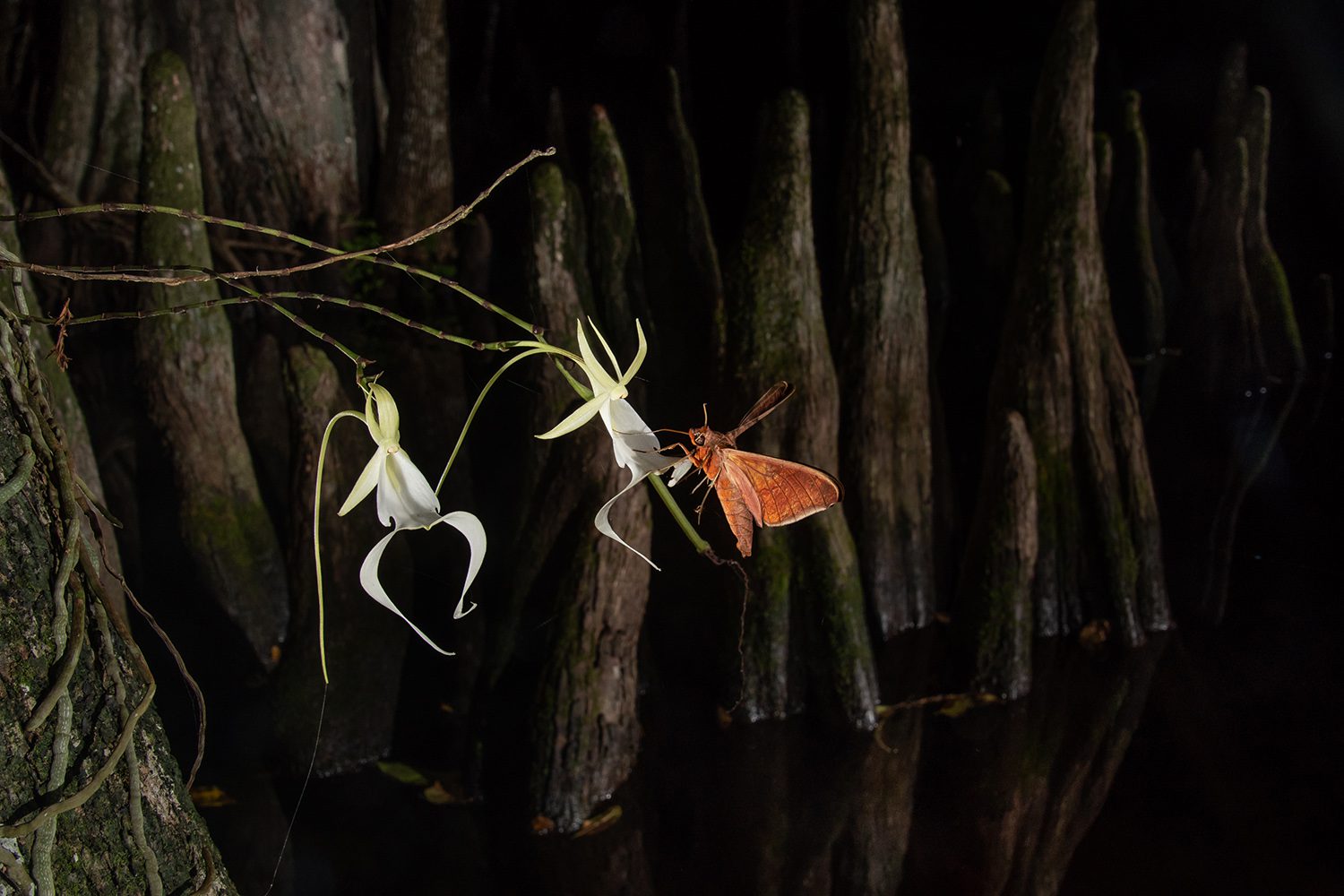
Chasing Ghosts is a photography and film project seeking to illuminate the mysterious and rare ghost orchids that grow only in the swamps of southwest Florida and in far western Cuba. With just 2,000 plants remaining in Florida, approximately one in ten plants bloom each summer, and only one-tenth of blooms are thought to be pollinated. Ghost orchids were long believed to be pollinated by a single insect: the giant sphinx moth.
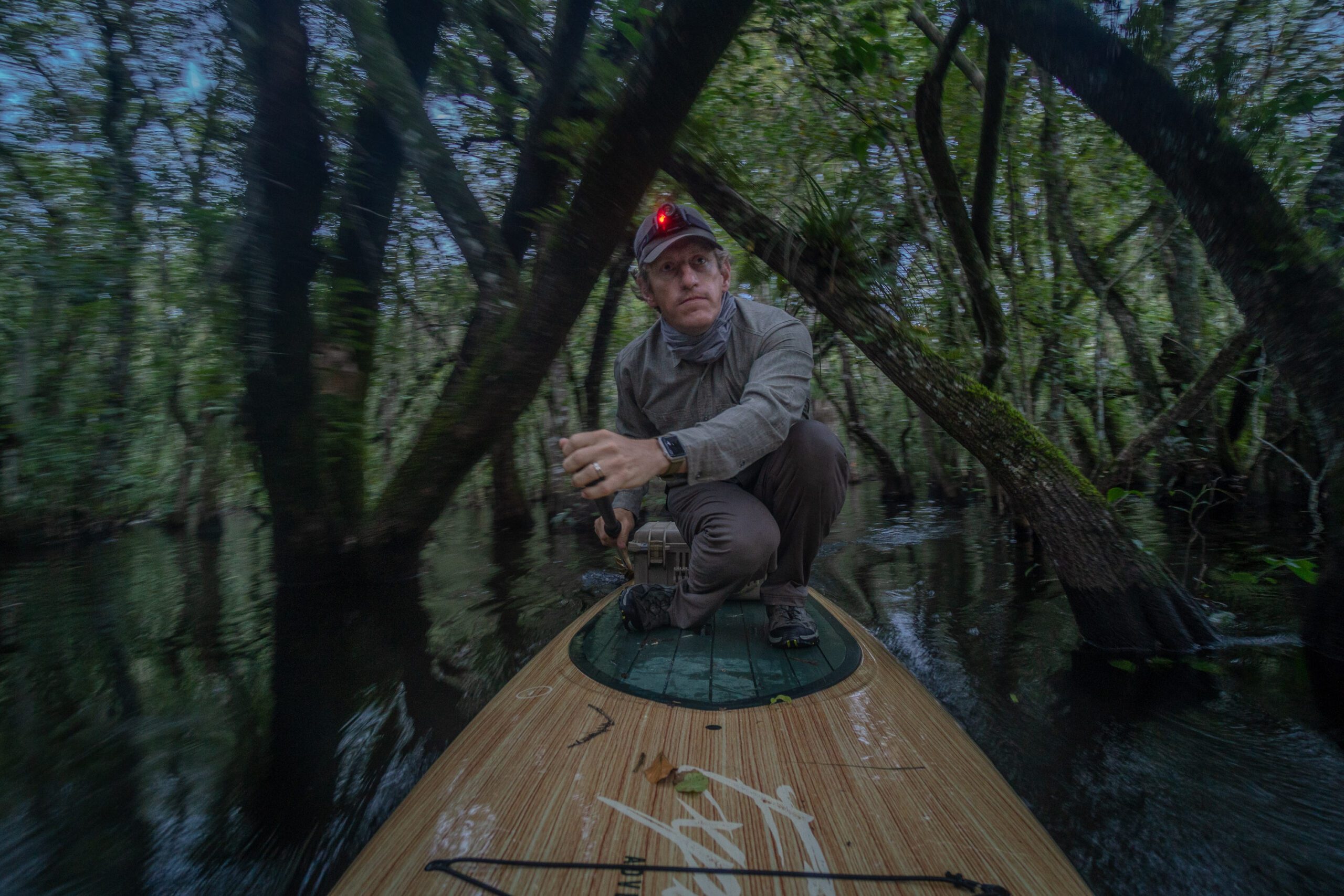
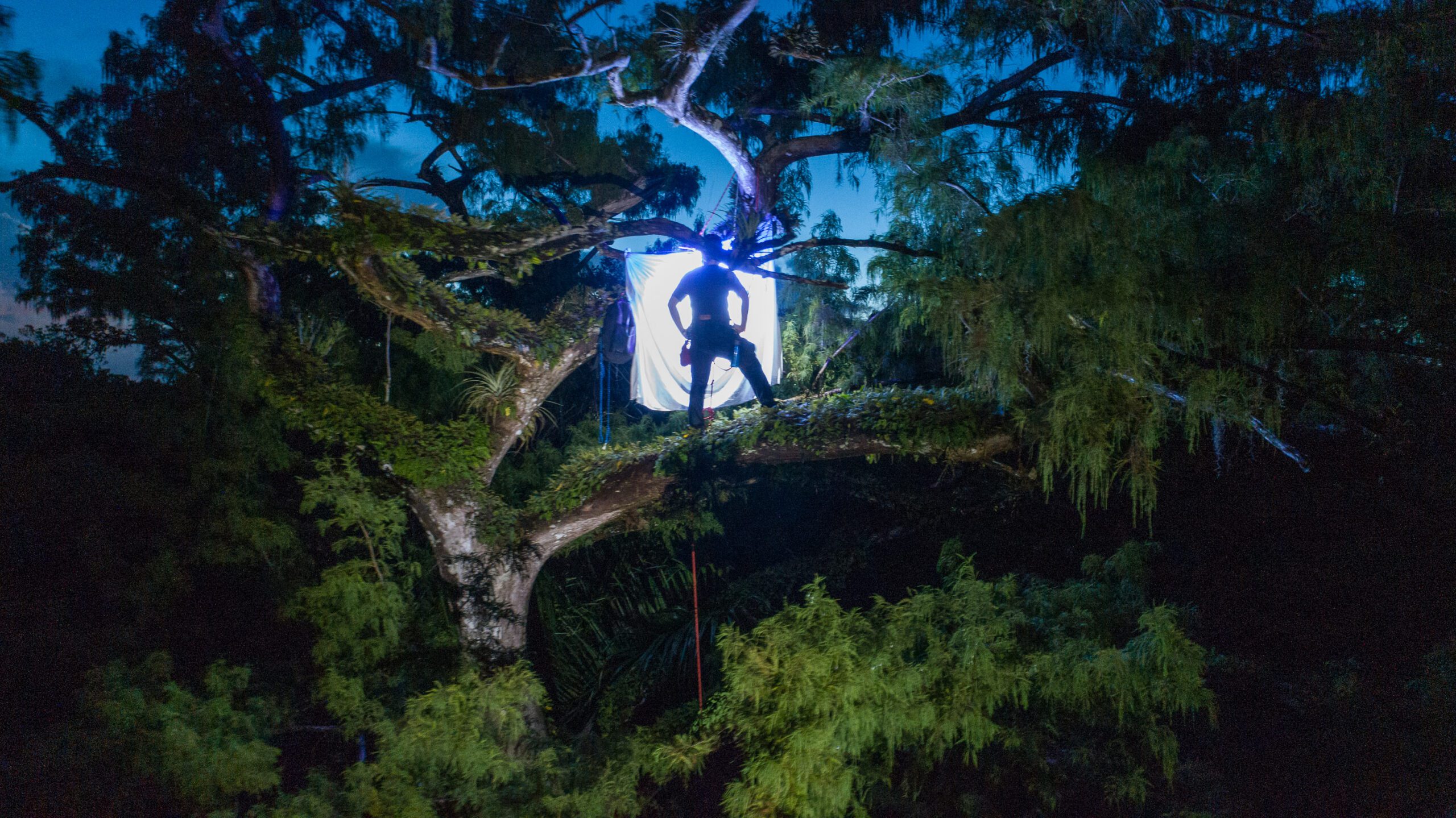
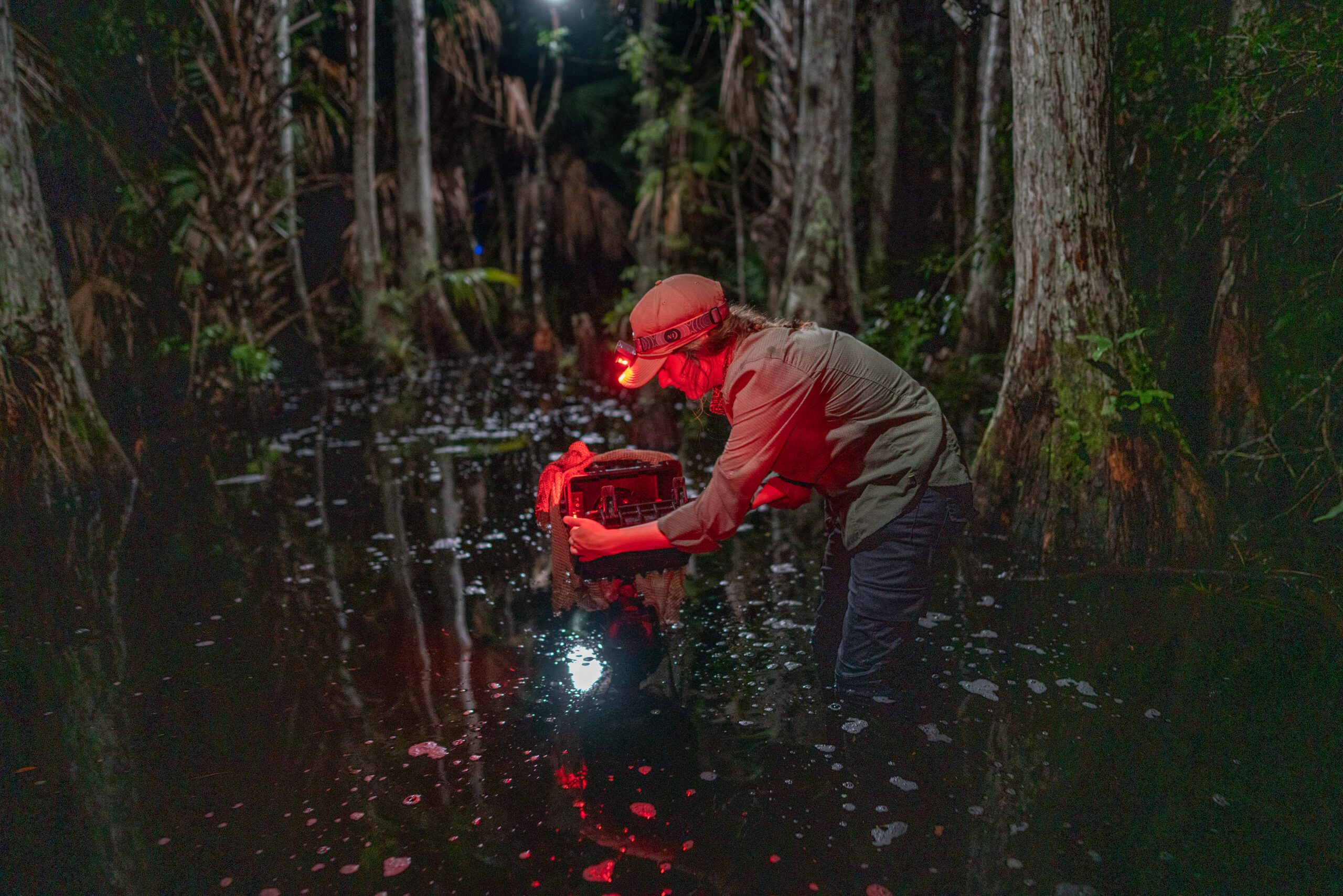
Photographers Carlton Ward Jr. and Mac Stone collaborated with tropical ecologist Peter Houlihan and biologists from U.S. Fish and Wildlife Service, Audubon Florida, and partner universities to discover new details about the ghost orchid’s ecology. Over three years, the team used remote camera trap systems for 6,800 camera-trap hours to study these rare
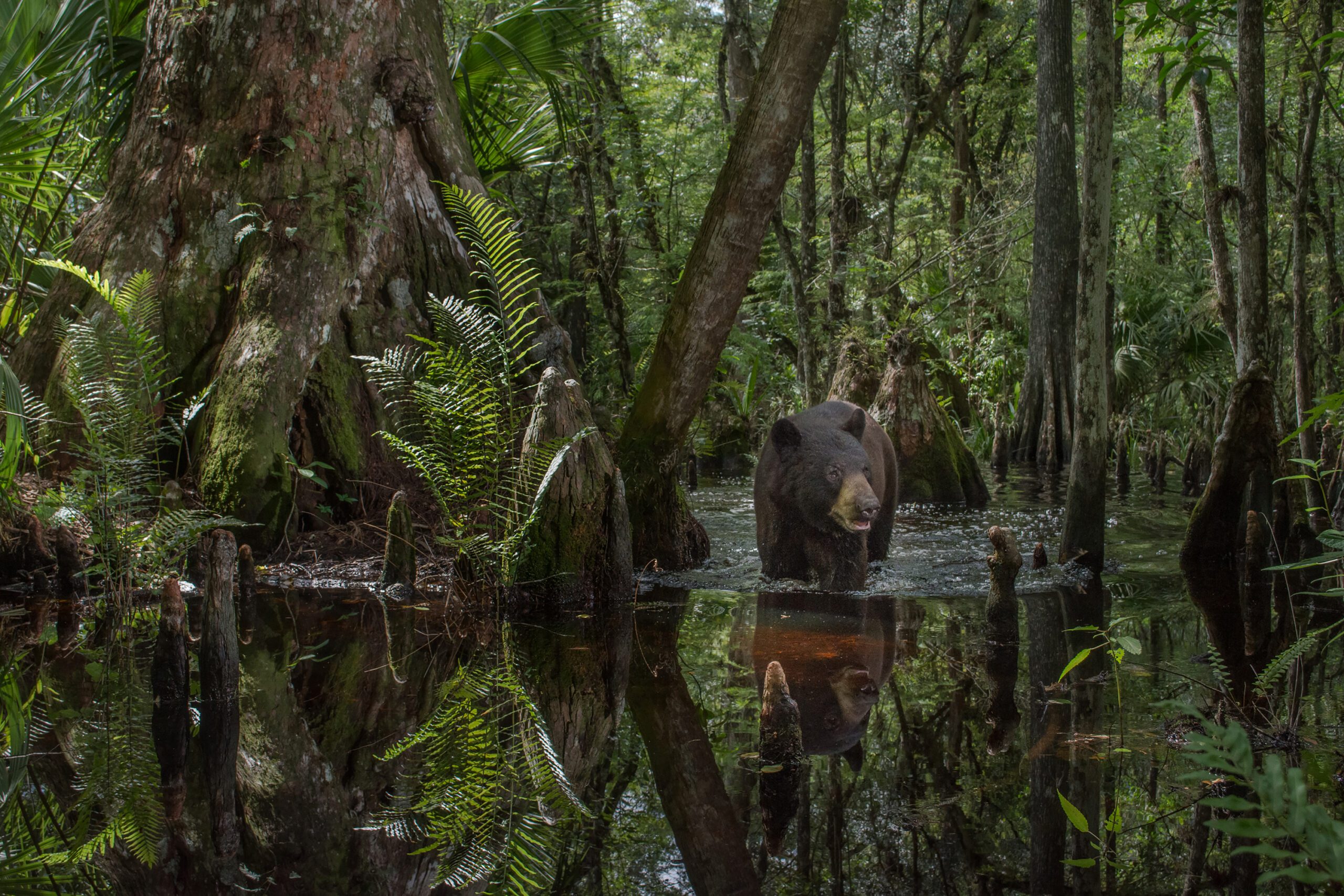
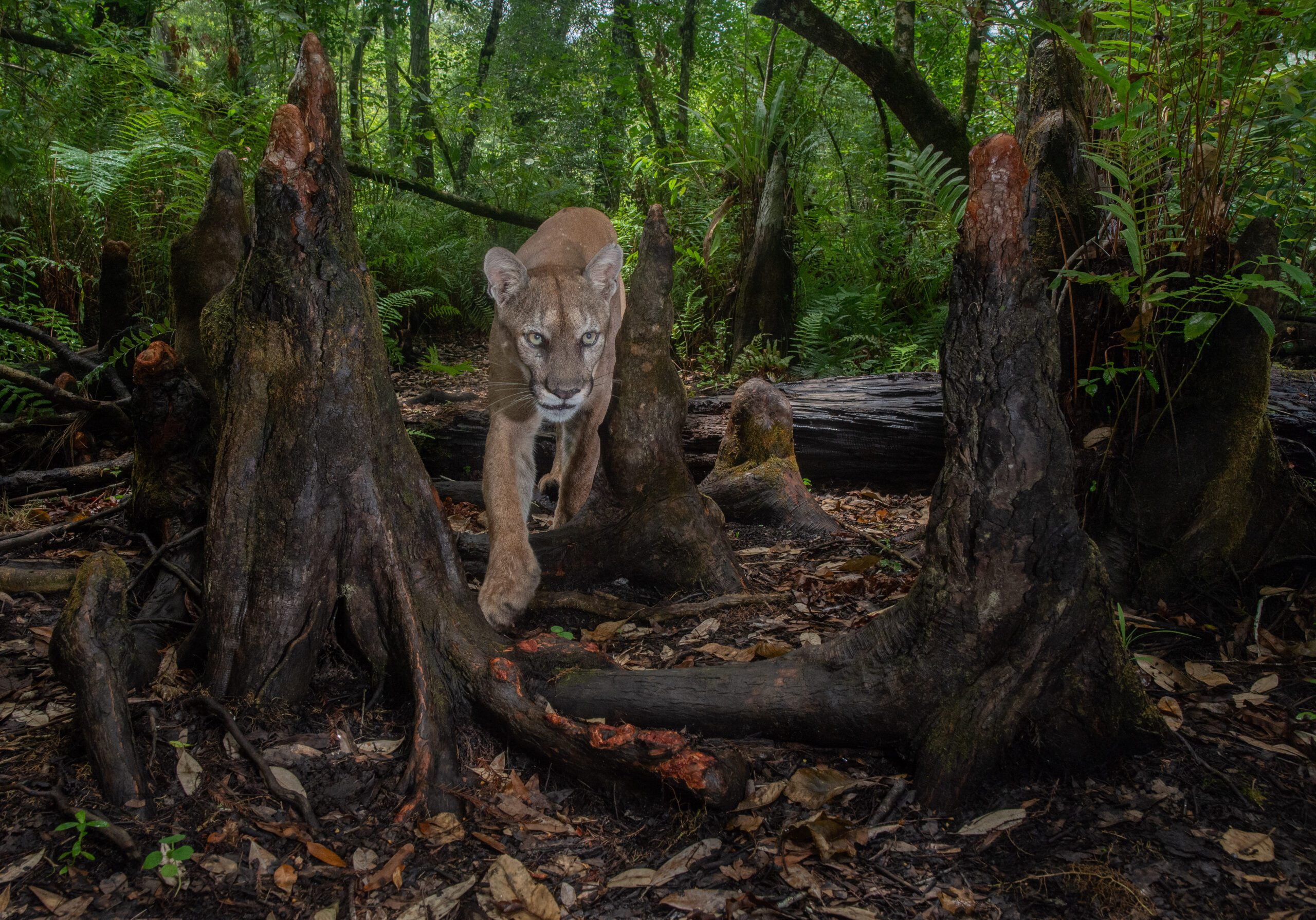
In addition to hoping to uncover new details about what species pollinate the ghost orchid, this project aimed to inspire appreciation of South Florida’s swamps and the importance of protecting aquatic habitats found nowhere else.
Wildpath and colleagues captured the first photographic evidence of a ghost orchid being pollinated. The team found that in fact, several moth species other than the giant sphinx visit and potentially carry the ghost orchid’s pollen — and the giant sphinx plays a completely different role than previously thought.
These scientific discoveries were published in peer-reviewed scientific journals Florida Entomologist and Scientific Reports. They also led to stories in National Geographic and Biographic, and a documentary film produced with Grizzly Creek Films for National Geographic.